August 9, 2026
LATEST
New EU Gas Market Rules Take Effect With Consumer SafeguardsDeforestation Regulation Holds Its December Deadline Despite CutsDigital Omnibus Delays Europe’s High-Risk AI Deadline to 2027Europe’s Schools Confront a Widening Basic Skills GapRule of Law Report Finds Progress but Trust Still LagsIRIS2 Gains 66 Satellites as Brussels Signs the Rollout DealNature Restoration Plans Come Due as Member States Race a DeadlineECB Rates Hold at 2.25 Percent as Frankfurt Waits on the DataEU Budget Talks Turn to Cohesion as Ireland Takes OverWildfire Response Stretches Europe’s Emergency Fleet ThinCan Europe’s Quantum Plan Match Its Big Ambitions?Armenia Edges West as Moscow’s Grip Slips AwayEurope Inherits the World’s Aid Bill It Cannot Fully PayAir Passenger Rights Get Their First Overhaul in Two DecadesErasmus Opens a 5 Billion Euro Round for Skills and MobilityCeuta Crisis Pushes the EU Toward Faster Migrant ReturnsBulky Parcels Face a Packaging Crackdown From August 12Can Europe Build Its Drone Wall Before 2030 Arrives?Indonesia’s Trade Deal With Europe Nears Its Final SignatureEurope Leans on Beijing to Keep Climate Talks Alive Before AntalyaNew EU Gas Market Rules Take Effect With Consumer SafeguardsDeforestation Regulation Holds Its December Deadline Despite CutsDigital Omnibus Delays Europe’s High-Risk AI Deadline to 2027Europe’s Schools Confront a Widening Basic Skills GapRule of Law Report Finds Progress but Trust Still LagsIRIS2 Gains 66 Satellites as Brussels Signs the Rollout DealNature Restoration Plans Come Due as Member States Race a DeadlineECB Rates Hold at 2.25 Percent as Frankfurt Waits on the DataEU Budget Talks Turn to Cohesion as Ireland Takes OverWildfire Response Stretches Europe’s Emergency Fleet ThinCan Europe’s Quantum Plan Match Its Big Ambitions?Armenia Edges West as Moscow’s Grip Slips AwayEurope Inherits the World’s Aid Bill It Cannot Fully PayAir Passenger Rights Get Their First Overhaul in Two DecadesErasmus Opens a 5 Billion Euro Round for Skills and MobilityCeuta Crisis Pushes the EU Toward Faster Migrant ReturnsBulky Parcels Face a Packaging Crackdown From August 12Can Europe Build Its Drone Wall Before 2030 Arrives?Indonesia’s Trade Deal With Europe Nears Its Final SignatureEurope Leans on Beijing to Keep Climate Talks Alive Before Antalya
August 9, 2026
LATEST
New EU Gas Market Rules Take Effect With Consumer SafeguardsDeforestation Regulation Holds Its December Deadline Despite CutsDigital Omnibus Delays Europe’s High-Risk AI Deadline to 2027Europe’s Schools Confront a Widening Basic Skills GapRule of Law Report Finds Progress but Trust Still LagsIRIS2 Gains 66 Satellites as Brussels Signs the Rollout DealNature Restoration Plans Come Due as Member States Race a DeadlineECB Rates Hold at 2.25 Percent as Frankfurt Waits on the DataEU Budget Talks Turn to Cohesion as Ireland Takes OverWildfire Response Stretches Europe’s Emergency Fleet ThinCan Europe’s Quantum Plan Match Its Big Ambitions?Armenia Edges West as Moscow’s Grip Slips AwayEurope Inherits the World’s Aid Bill It Cannot Fully PayAir Passenger Rights Get Their First Overhaul in Two DecadesErasmus Opens a 5 Billion Euro Round for Skills and MobilityCeuta Crisis Pushes the EU Toward Faster Migrant ReturnsBulky Parcels Face a Packaging Crackdown From August 12Can Europe Build Its Drone Wall Before 2030 Arrives?Indonesia’s Trade Deal With Europe Nears Its Final SignatureEurope Leans on Beijing to Keep Climate Talks Alive Before AntalyaNew EU Gas Market Rules Take Effect With Consumer SafeguardsDeforestation Regulation Holds Its December Deadline Despite CutsDigital Omnibus Delays Europe’s High-Risk AI Deadline to 2027Europe’s Schools Confront a Widening Basic Skills GapRule of Law Report Finds Progress but Trust Still LagsIRIS2 Gains 66 Satellites as Brussels Signs the Rollout DealNature Restoration Plans Come Due as Member States Race a DeadlineECB Rates Hold at 2.25 Percent as Frankfurt Waits on the DataEU Budget Talks Turn to Cohesion as Ireland Takes OverWildfire Response Stretches Europe’s Emergency Fleet ThinCan Europe’s Quantum Plan Match Its Big Ambitions?Armenia Edges West as Moscow’s Grip Slips AwayEurope Inherits the World’s Aid Bill It Cannot Fully PayAir Passenger Rights Get Their First Overhaul in Two DecadesErasmus Opens a 5 Billion Euro Round for Skills and MobilityCeuta Crisis Pushes the EU Toward Faster Migrant ReturnsBulky Parcels Face a Packaging Crackdown From August 12Can Europe Build Its Drone Wall Before 2030 Arrives?Indonesia’s Trade Deal With Europe Nears Its Final SignatureEurope Leans on Beijing to Keep Climate Talks Alive Before Antalya

Renewables Reach a Quarter of Europe’s Energy Mix

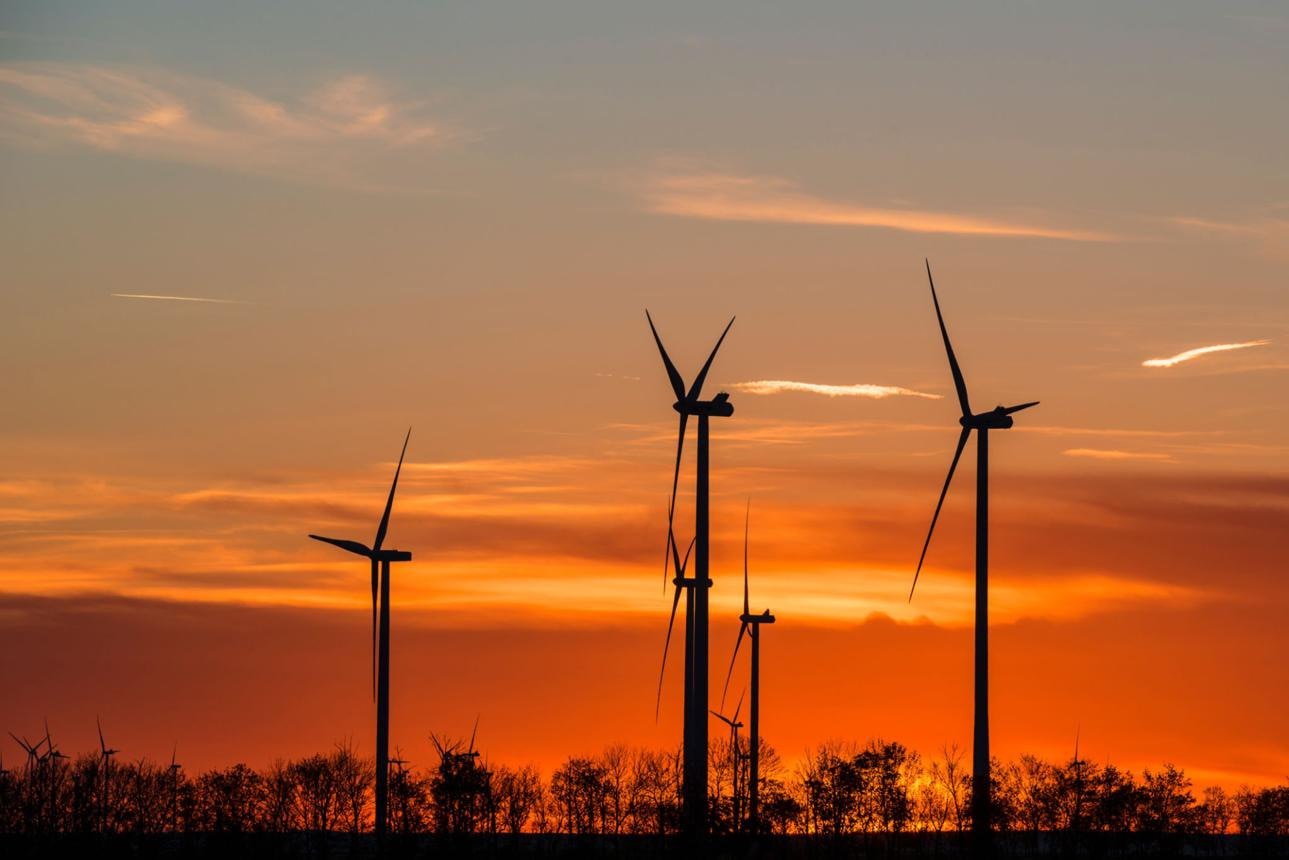
Luxembourg: Europe now draws more than a quarter of the energy it consumes from renewable energy sources, a milestone that arrives just as the bloc’s climate ambitions collide with the hard arithmetic of its 2030 targets.

Provisional figures Eurostat published on 23 July 2026 put the share of renewables in gross final energy consumption at 26.2% across the European Union in 2025, up from 25.2% a year earlier. The one-percentage-point gain continues a steady upward line, yet it also underlines how far the bloc still has to travel to meet its binding goal of 42.5% by 2030.

The headline number hides a continent of contrasts. Sweden again led the field, drawing 65.4% of its energy from renewables on the back of abundant hydropower, biomass and a long head start on wind. At the other end, Belgium managed just 14.9%, ahead of only Slovakia at 16.3% and Ireland at 17.2%.

These are not simply differences of ambition. Geography, industrial structure and legacy infrastructure all shape how quickly a member state can decarbonise. A country with heavy industry and a dense population, such as Belgium, faces a steeper climb than a sparsely populated state rich in forests and rivers.

The spread matters because the 42.5% target measures an EU-wide average. If a handful of northern states carry most of the load, the political strain of asking laggards to accelerate will only grow as the decade closes.

Electricity races ahead of heat and transport

Power generation shows the clearest progress. Renewables supplied 49.9% of the EU’s gross electricity consumption in 2025, more than two percentage points above the 47.5% recorded in 2024. Fresh wind and solar capacity, rather than hydropower, drove most of that increase, and the figure leaves the grid within touching distance of a symbolic halfway mark. Solar in particular has become the fastest-growing source, cheap to install and quick to connect, and its rise now sets the pace for the wider transition.

Heating and cooling told a slower story, reaching 27.4% in 2025 — the highest value since the series began in 2004, but still a sector where fossil gas and oil keep a firm grip on millions of homes. Transport, historically the hardest sector to shift, continues to trail both.

The unevenness carries a lesson for policymakers. Cleaning up electricity is necessary but not sufficient; without parallel gains in heat and mobility, the aggregate share will plateau below the 2030 line.

What the numbers demand next

The data land at an awkward moment. Energy prices remain politically sensitive, and several governments have trimmed subsidies as budgets tighten. Yet the trajectory embedded in these figures implies the bloc must add renewable capacity faster in the second half of the decade than it managed in the first.

A one-point annual gain, sustained, still leaves Europe short of 42.5% by 2030. Closing that gap demands either quicker deployment or a sharper fall in overall energy demand — most likely both. The full dataset sits in the Eurostat renewable energy release.

For all the caveats, the direction is unmistakable. Renewable energy has moved from the margins to the mainstream of Europe’s supply, and the debate has shifted from whether the transition will happen to whether it can happen fast enough.