August 9, 2026
LATEST
New EU Gas Market Rules Take Effect With Consumer SafeguardsDeforestation Regulation Holds Its December Deadline Despite CutsDigital Omnibus Delays Europe’s High-Risk AI Deadline to 2027Europe’s Schools Confront a Widening Basic Skills GapRule of Law Report Finds Progress but Trust Still LagsIRIS2 Gains 66 Satellites as Brussels Signs the Rollout DealNature Restoration Plans Come Due as Member States Race a DeadlineECB Rates Hold at 2.25 Percent as Frankfurt Waits on the DataEU Budget Talks Turn to Cohesion as Ireland Takes OverWildfire Response Stretches Europe’s Emergency Fleet ThinCan Europe’s Quantum Plan Match Its Big Ambitions?Armenia Edges West as Moscow’s Grip Slips AwayEurope Inherits the World’s Aid Bill It Cannot Fully PayAir Passenger Rights Get Their First Overhaul in Two DecadesErasmus Opens a 5 Billion Euro Round for Skills and MobilityCeuta Crisis Pushes the EU Toward Faster Migrant ReturnsBulky Parcels Face a Packaging Crackdown From August 12Can Europe Build Its Drone Wall Before 2030 Arrives?Indonesia’s Trade Deal With Europe Nears Its Final SignatureEurope Leans on Beijing to Keep Climate Talks Alive Before AntalyaNew EU Gas Market Rules Take Effect With Consumer SafeguardsDeforestation Regulation Holds Its December Deadline Despite CutsDigital Omnibus Delays Europe’s High-Risk AI Deadline to 2027Europe’s Schools Confront a Widening Basic Skills GapRule of Law Report Finds Progress but Trust Still LagsIRIS2 Gains 66 Satellites as Brussels Signs the Rollout DealNature Restoration Plans Come Due as Member States Race a DeadlineECB Rates Hold at 2.25 Percent as Frankfurt Waits on the DataEU Budget Talks Turn to Cohesion as Ireland Takes OverWildfire Response Stretches Europe’s Emergency Fleet ThinCan Europe’s Quantum Plan Match Its Big Ambitions?Armenia Edges West as Moscow’s Grip Slips AwayEurope Inherits the World’s Aid Bill It Cannot Fully PayAir Passenger Rights Get Their First Overhaul in Two DecadesErasmus Opens a 5 Billion Euro Round for Skills and MobilityCeuta Crisis Pushes the EU Toward Faster Migrant ReturnsBulky Parcels Face a Packaging Crackdown From August 12Can Europe Build Its Drone Wall Before 2030 Arrives?Indonesia’s Trade Deal With Europe Nears Its Final SignatureEurope Leans on Beijing to Keep Climate Talks Alive Before Antalya
August 9, 2026
LATEST
New EU Gas Market Rules Take Effect With Consumer SafeguardsDeforestation Regulation Holds Its December Deadline Despite CutsDigital Omnibus Delays Europe’s High-Risk AI Deadline to 2027Europe’s Schools Confront a Widening Basic Skills GapRule of Law Report Finds Progress but Trust Still LagsIRIS2 Gains 66 Satellites as Brussels Signs the Rollout DealNature Restoration Plans Come Due as Member States Race a DeadlineECB Rates Hold at 2.25 Percent as Frankfurt Waits on the DataEU Budget Talks Turn to Cohesion as Ireland Takes OverWildfire Response Stretches Europe’s Emergency Fleet ThinCan Europe’s Quantum Plan Match Its Big Ambitions?Armenia Edges West as Moscow’s Grip Slips AwayEurope Inherits the World’s Aid Bill It Cannot Fully PayAir Passenger Rights Get Their First Overhaul in Two DecadesErasmus Opens a 5 Billion Euro Round for Skills and MobilityCeuta Crisis Pushes the EU Toward Faster Migrant ReturnsBulky Parcels Face a Packaging Crackdown From August 12Can Europe Build Its Drone Wall Before 2030 Arrives?Indonesia’s Trade Deal With Europe Nears Its Final SignatureEurope Leans on Beijing to Keep Climate Talks Alive Before AntalyaNew EU Gas Market Rules Take Effect With Consumer SafeguardsDeforestation Regulation Holds Its December Deadline Despite CutsDigital Omnibus Delays Europe’s High-Risk AI Deadline to 2027Europe’s Schools Confront a Widening Basic Skills GapRule of Law Report Finds Progress but Trust Still LagsIRIS2 Gains 66 Satellites as Brussels Signs the Rollout DealNature Restoration Plans Come Due as Member States Race a DeadlineECB Rates Hold at 2.25 Percent as Frankfurt Waits on the DataEU Budget Talks Turn to Cohesion as Ireland Takes OverWildfire Response Stretches Europe’s Emergency Fleet ThinCan Europe’s Quantum Plan Match Its Big Ambitions?Armenia Edges West as Moscow’s Grip Slips AwayEurope Inherits the World’s Aid Bill It Cannot Fully PayAir Passenger Rights Get Their First Overhaul in Two DecadesErasmus Opens a 5 Billion Euro Round for Skills and MobilityCeuta Crisis Pushes the EU Toward Faster Migrant ReturnsBulky Parcels Face a Packaging Crackdown From August 12Can Europe Build Its Drone Wall Before 2030 Arrives?Indonesia’s Trade Deal With Europe Nears Its Final SignatureEurope Leans on Beijing to Keep Climate Talks Alive Before Antalya

Repair Rights and Packaging Caps Take Effect This Summer

Vienna: For most of the past decade, the European Union’s circular-economy promises lived in strategy papers and aspirational targets. This summer, two of them harden into law within weeks of one another, and the distance between rhetoric and enforcement finally starts to close.

The first is the Repair Directive, which national rules must give effect to from 31 July 2026. It obliges manufacturers to repair common household goods within a reasonable time and at a reasonable price, even after a commercial guarantee has lapsed, and it bars design tricks that force consumers to bin a working appliance because a single component cannot be replaced. The logic is economic as much as environmental: every product repaired rather than replaced removes a fresh round of raw-material extraction, manufacturing emissions and, not least, packaging from the system.

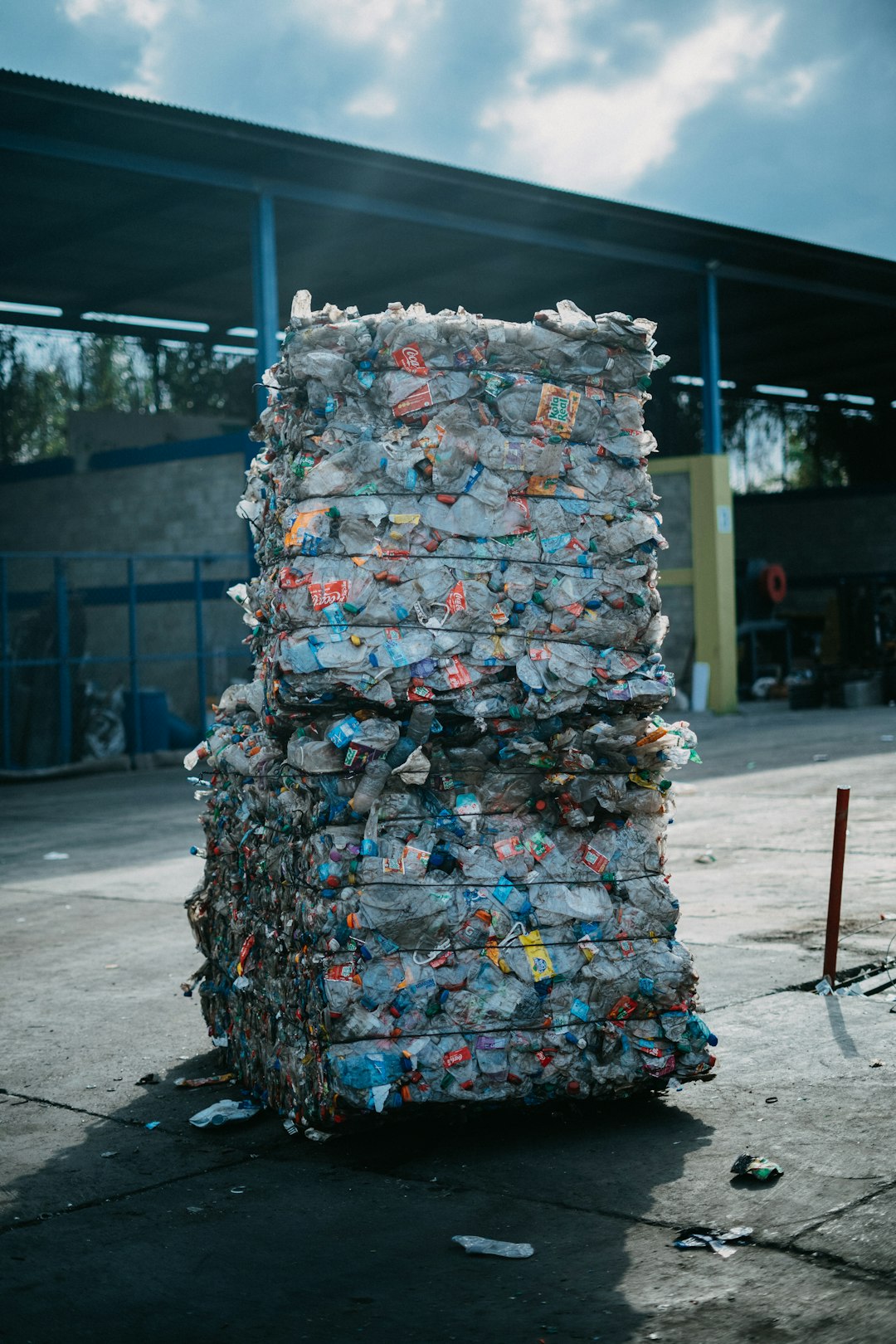
The second is the Packaging and Packaging Waste Regulation, formally Regulation 2025/40, which entered into force on 11 February 2025 and applies in general from 12 August 2026. Unlike a directive, it bites directly and uniformly across all twenty-seven member states without national transposition. It covers every kind of packaging regardless of material, and it sets a destination unusually concrete for EU environmental law: all packaging placed on the single market must be designed to be recyclable by 2030, and plastic packaging must contain rising shares of recycled content through 2030 and 2040.

What makes the timing significant is the interaction between the two measures. The Repair Directive attacks the front end of the waste stream by keeping products in use for longer; the packaging regulation attacks the back end by forcing recoverability into the material itself. Each addresses a failure the other cannot reach. A washing machine repaired three times still arrives wrapped in cardboard and film; a perfectly recyclable wrapper does nothing to slow the churn of devices discarded for want of a ten-euro part.

The harder question is whether the enforcement architecture can carry the ambition. Recyclability by 2030 is a design rule, but recycling in practice depends on collection systems, sorting infrastructure and end-markets for secondary materials that vary enormously between, say, a Nordic deposit-return scheme and a southern region still sending much of its waste to landfill. The regulation assumes a single market in recyclate that does not yet exist, which is precisely the gap the Commission’s promised Circular Economy Act, expected later in 2026, is meant to fill by building demand for secondary raw materials rather than merely mandating their supply.

For businesses the compliance burden is immediate and uneven. E-commerce sellers, who generate disproportionate volumes of transport packaging, face new composition and minimisation requirements that will reshape how goods are shipped across borders. Smaller manufacturers worry that repair obligations and recycled-content quotas land at the same moment, with limited time to redesign products and supply chains. The Commission’s wager is that front-loading these costs builds a competitive advantage as resource scarcity and import dependence sharpen.

That wager is the real story beneath the regulatory detail. Europe imports most of the critical materials its economy runs on, and circularity is increasingly framed less as green virtue than as economic security: a recycled tonne is a tonne that need not be bought from a volatile supplier abroad. Whether the summer’s two laws deliver that resilience will depend on the dull machinery of inspection, collection and market-building that follows the headline deadlines. The targets are now legally fixed. The infrastructure to meet them is not, and the next two years will show which Europe the bloc actually built.