Luxembourg: European foreign ministers gathering this month will sign off on what officials are calling a mini-package of sanctions against Russia, a measure that targets more than eighty propagandists, alleged human-rights violators and companies tied to Moscow’s defence-industrial base. It is a deliberately narrow step. The more consequential move is the twenty-first full sanctions package the Commission says is ready, and its sights are trained on two targets that reveal where this long economic war is actually being fought: Russia’s defence supply chain and its shadow fleet of ageing oil tankers.
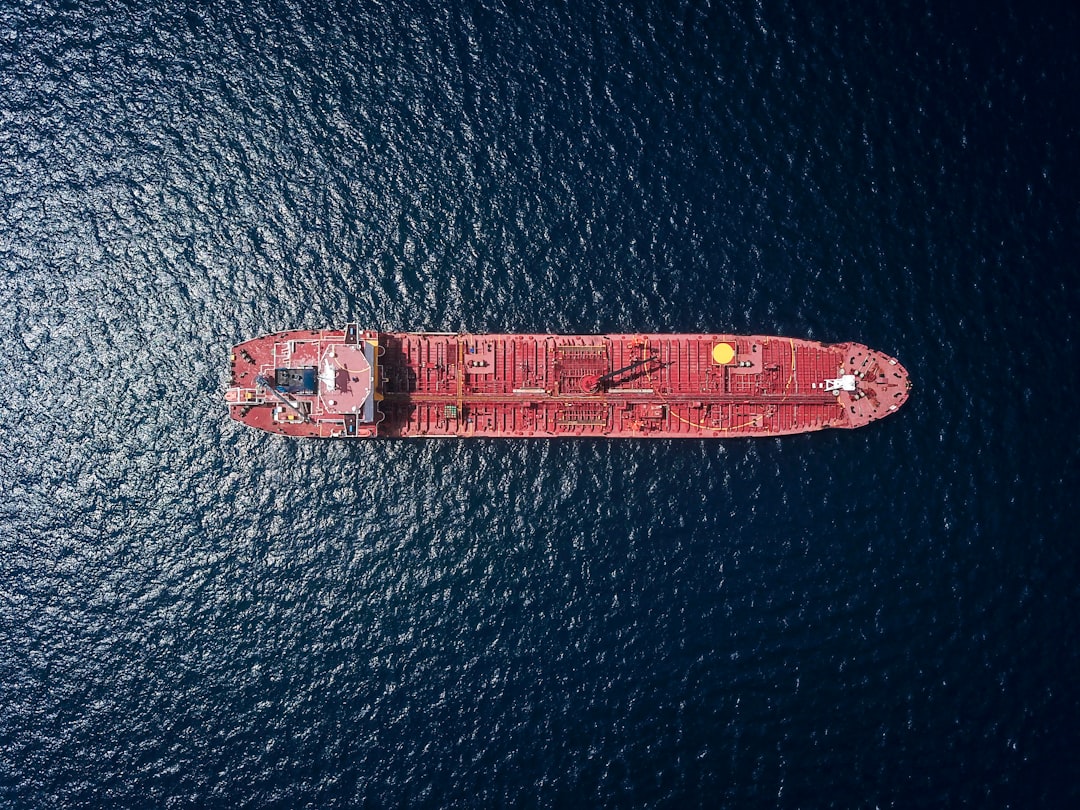
The shadow fleet is the more revealing of the two. Over three years of escalating restrictions, the Union and its partners have steadily tightened the screws on Russian crude, culminating in a price cap designed to let the oil flow while skimming Moscow’s revenue. Russia’s response was to assemble a sprawling armada of obscurely owned, often under-insured vessels that move barrels outside the Western financial and insurance system the cap relies upon. Every tanker added to that fleet is a hole punched in the policy. Brussels now wants to plug the holes vessel by vessel, blacklisting ships so that ports, insurers and registries treat them as radioactive.
This is sanctions policy maturing from headline to enforcement. The early packages were about denial: cutting banks from payment systems, freezing reserves, banning technology exports. The newer measures are about closing the workarounds the first rounds inevitably spawned. Targeting the shadow fleet is less dramatic than seizing a central bank’s assets, but it speaks to a hard lesson the Union has absorbed, namely that a sanction is only as strong as the loophole it has not yet found.
Timing underlines the point. Officials want the twenty-first package approved by mid-July, the same deadline at which the oil price cap comes up for review. Aligning the two is not coincidental. A cap is a moving target that must be recalibrated as crude prices shift and as Moscow refines its evasion, and pairing the review with fresh vessel designations lets Brussels adjust the mechanism and police it in the same breath. It is an admission that economic pressure on Russia is not a wall built once but a fence that must be mended continuously.
The defence-industrial leg of the package carries a different message. By naming firms that feed Russia’s war machine, including suppliers routed through third countries, the Union is trying to raise the cost and complexity of rearmament rather than expecting any single listing to be decisive. Sanctions rarely halt a determined war economy outright. What they can do is force substitution onto inferior or pricier components, lengthen procurement timelines and inject friction into supply chains that armies depend on running smoothly.
None of this resolves the strategic doubt that shadows every new package. Russia has proved adaptable, rerouting trade through willing intermediaries and selling crude to buyers indifferent to Western preferences. Each fresh round of measures must therefore prove not merely that it punishes, but that it punishes faster than Moscow can adapt. The shadow fleet exists precisely because earlier sanctions worked well enough to make evasion worthwhile.
There is a political dimension too. Maintaining unanimity among twenty-seven members on each successive package has grown harder as the war drags into its later years and as the economic costs of restriction land unevenly across the bloc. That the mini-package and the twenty-first round are advancing on schedule suggests the consensus, while strained, is holding. The shift toward technical, enforcement-focused targets may even help preserve it, since blacklisting tankers is less politically fraught than measures that bite domestic industries.
For Europe, the calculation remains what it has been since the invasion. Pressure that is steady, adaptable and relentlessly practical is more durable than any single dramatic blow. Chasing the shadow fleet is unglamorous, slow and incremental. It is also, increasingly, what the war of attrition over Russia’s revenues actually looks like.