Strasbourg: With its final vote on 17 June, the European Parliament closed a decade-long argument over how to treat crops bred with new genomic techniques, clearing a regulation that loosens Europe’s famously strict rules on gene editing. The Council had already signed off in April, so the text now enters a two-year window in which the Commission writes the secondary legislation that will decide how it works in practice.
The core of the law is a split. Plants whose edits could plausibly have arisen through conventional breeding or in nature, labelled NGT1, follow a light-touch pathway with no risk assessment of the kind that has effectively frozen genetically modified crops out of European fields for twenty years. Everything else, NGT2, stays inside the existing GMO framework, with its authorisations, traceability and labelling. Crucially, after pressure from MEPs, plants engineered for herbicide tolerance or to produce their own insecticidal compounds are pushed out of the easy category and treated as NGT2.
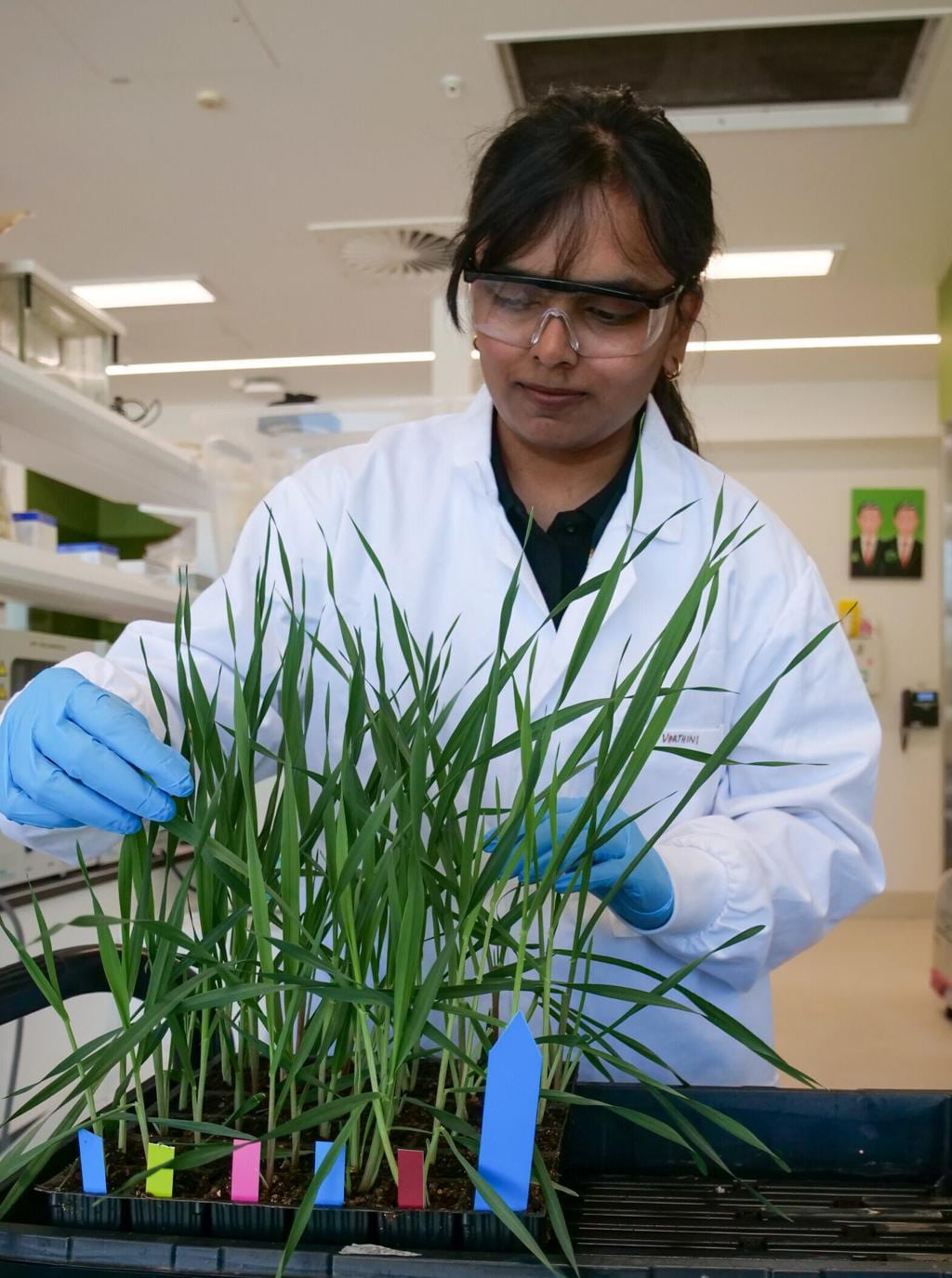
For seed companies and many plant scientists, this is the breakthrough they have waited a generation for. They argue that gene editing can deliver drought tolerance, disease resistance and lower pesticide use far faster than traditional breeding, and that Europe has been exporting both the technology and the investment to the Americas and Asia by refusing to regulate it sensibly. A faster route to market, on this view, is the difference between European agriculture adapting to a hotter climate and falling behind competitors who already grow edited varieties at scale.
The objections are not trivial, and they cut in several directions. Organic farmers and parts of the environmental movement warn that the law erodes consumer choice, because NGT1 seeds must be labelled but the food grown from them need not be. A shopper who wants to avoid gene-edited produce will, in practice, struggle to do so. Organic and GM-free producers also worry about coexistence and contamination, and about who bears the cost of keeping supply chains separate.
Then there is the question of patents, which may matter more than the science. Critics across the political spectrum fear that a handful of large firms will lock up edited traits behind intellectual property, squeezing the small and medium breeders the law is partly meant to help and raising the price of seed. The regulation gestures at transparency on patents, but the detail is deferred to the implementing acts the Commission must now draft, which is precisely where lobbying will concentrate over the next two years.
The deeper shift is philosophical. Europe’s handling of agricultural biotechnology has long been anchored in the precautionary principle, which puts the burden on a technology to prove it is safe before it spreads. By judging many edited plants as equivalent to conventional ones and waving them through, the new rules lean toward a risk-based, product-focused logic closer to that of the United States. Supporters call that scientific realism, since a point mutation is a point mutation however it arose. Opponents call it a quiet abandonment of a principle that has defined European food policy.
Both readings will be tested in the implementation phase. The categories sound clean on paper, but the boundary between an edit that mimics nature and one that does not will be contested case by case, and the labelling gap on food gives campaigners an obvious target. Whether the regulation ends up boosting European competitiveness or simply reopening old battles will depend less on this week’s vote than on the technical rules still to be written.