Lisbon: A consignment of brake pads and steering components that looked like the real thing turned out to be neither safe nor legal, and unravelling the trade behind it took investigators across half a dozen jurisdictions. The European Anti-Fraud Office said in early June that it had helped Portuguese authorities dismantle a network funnelling counterfeit truck parts into the single market, a case that captures how the EU’s least visible enforcement body increasingly works.
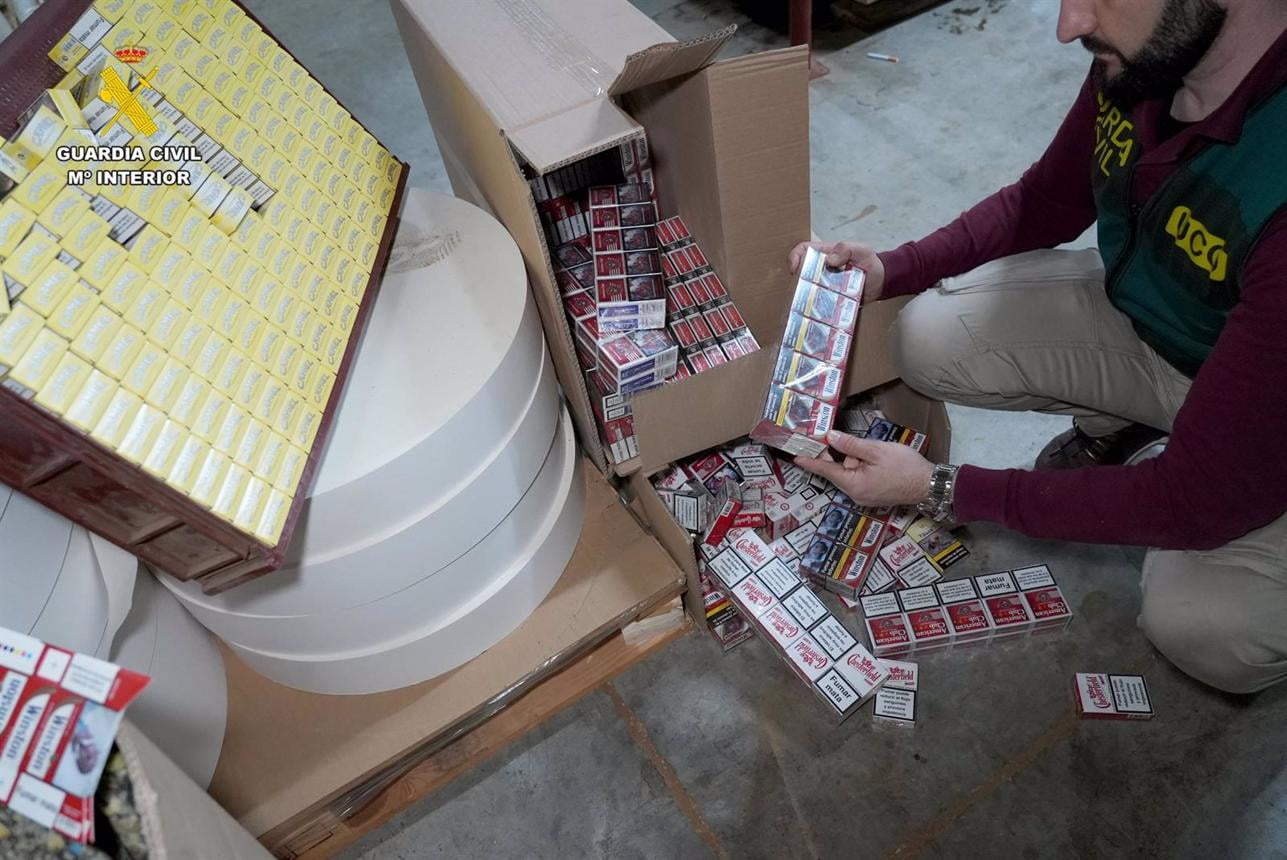
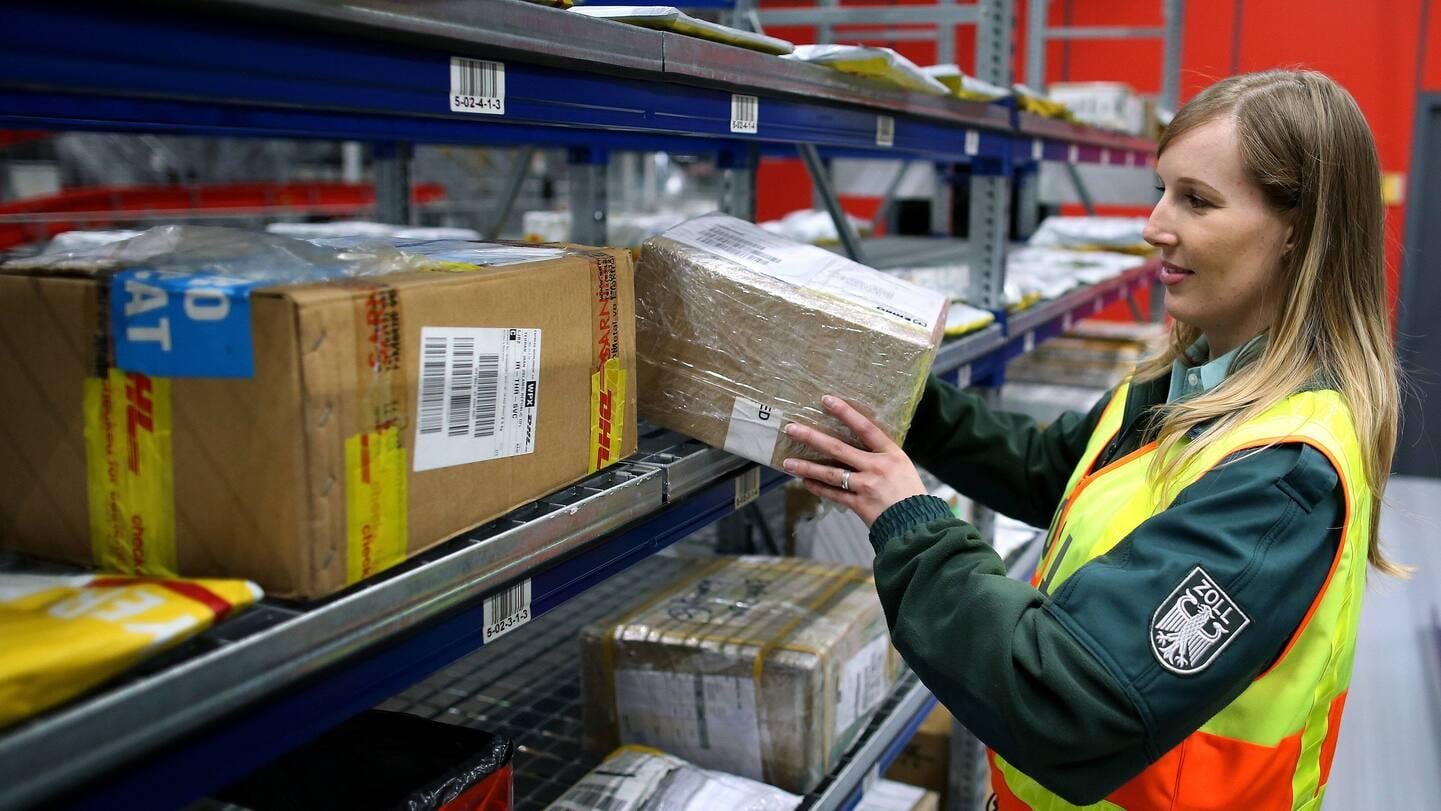
OLAF rarely makes arrests itself. Its leverage lies in intelligence: matching customs declarations against shipping manifests, flagging suspicious value patterns, and pulling national agencies into a coordinated response. In the Portuguese operation, that meant connecting seizures at a port of entry to distributors several borders away, then handing partners the evidence to act. Counterfeit vehicle components are not a victimless niche. A brake assembly that fails certification can kill, and the revenue lost to states through evaded duties and unpaid VAT drains exactly the budgets the EU is fighting to protect elsewhere.
The case lands against a sobering annual scorecard. In its 2025 report, published in April, OLAF recommended recovering almost 600 million euro in misused or evaded funds and said its investigations had prevented a further 18 million from being wrongly spent. It closed 209 investigations over the year while opening 254 new ones, a widening gap that hints at how much faster the caseload is growing than the capacity to clear it. Illicit trade, customs fraud, procurement manipulation and the circumvention of sanctions against Russia and Belarus dominated the docket.
What makes the counterfeit-parts strand awkward for policymakers is that it sits at the intersection of consumer safety, taxation and industrial policy, none of which OLAF controls. The office can recommend recovery, but actually clawing back money depends on national prosecutors and courts that move at their own pace and with their own priorities. Recommendations are not collections, and the recovery figures OLAF publishes are targets handed to member states, not cash already returned to the treasury.
The broader question is whether detection alone deters. Counterfeiters treat seizures as a cost of doing business, rerouting shipments through new entry points the moment one closes. Enforcement officials argue that the answer is better data-sharing and faster cross-border action rather than heavier penalties on paper. Critics counter that without quicker recovery and consistent sentencing, the economics of the trade still favour the fraudsters. June’s operation is a win worth marking, but it is one node in a network that regenerates faster than any single sweep can cut it back.