Gothenburg: For years the recycling industry has complained that Europe talks ambitiously about a circular economy while leaving the market for recycled materials fragmented, thinly traded, and undercut by cheap virgin imports. A forthcoming legislative package aims to change that, and the businesses that turn yesterday’s packaging into tomorrow’s raw material are watching closely.
The planned Circular Economy Act, expected to be tabled in the autumn, sets out to build a genuine single market for secondary raw materials. The logic is straightforward. Recycled plastics, paper, and metals are produced and consumed within national silos, with diverging quality standards and patchy demand. A processor in one country may struggle to sell recycled feedstock across a border because buyers cannot verify it meets their specifications. The Act would harmonise those standards, improve the quality and availability of recycled inputs, and stimulate demand so that manufacturers actually use them.
The stakes are considerable. The Union has set itself the goal of doubling its circular material use rate by the end of the decade, a target it will miss without a functioning market to reward recyclers and penalise waste. Today a large share of recycled content competes on uneven terms against newly extracted resources, whose prices rarely reflect their environmental cost. By guaranteeing quality and creating predictable demand, the legislation hopes to tilt the economics toward circularity rather than disposal.
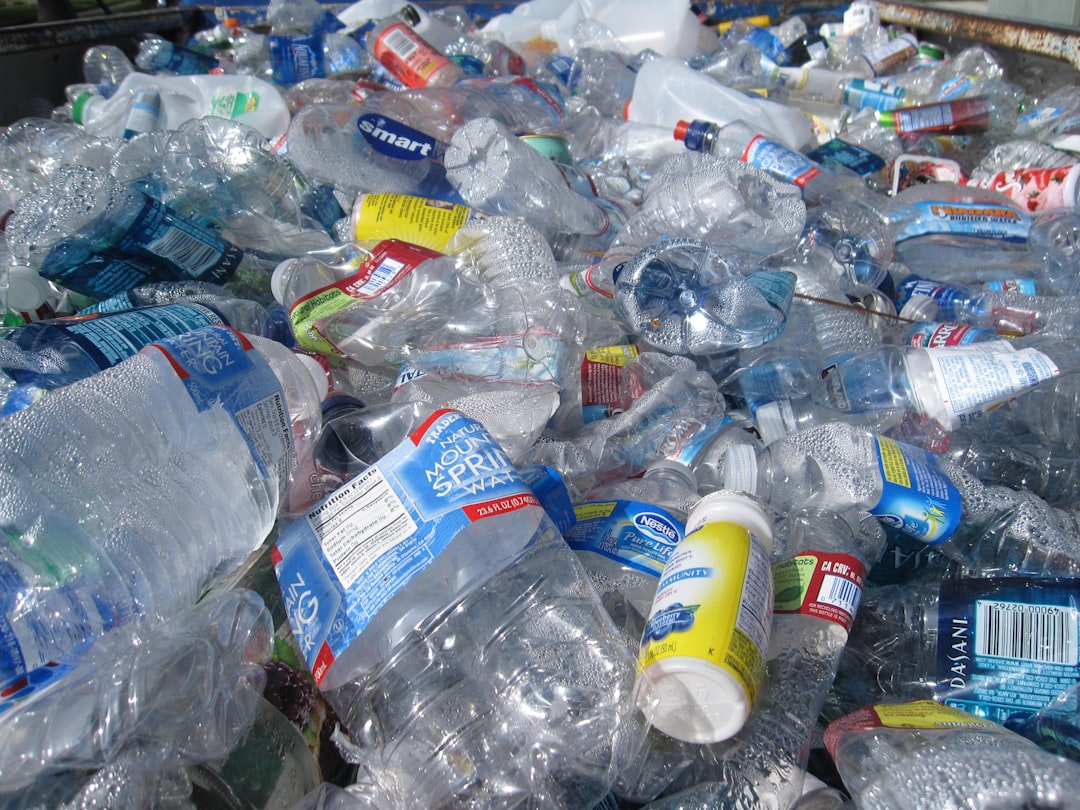
A second measure looms over the sector with a firmer deadline. From November, exports of plastic waste to countries outside the Organisation for Economic Co-operation and Development will be banned outright, closing a route by which Europe has long offloaded material it could not or would not process at home. The ban is framed as an environmental and public-health measure, sparing poorer nations the burden of mismanaged plastic pollution. Its practical effect will be to force more waste back into domestic processing capacity, capacity that does not yet fully exist.
That is precisely the tension industry groups are flagging. Banning exports without first building the plants, sorting lines, and end markets to absorb the returning material risks creating bottlenecks rather than circular flows. Recyclers welcome the principle but want investment certainty and demand-side measures to match the new obligations. Some argue that without mandatory recycled-content requirements for products, the supply created by the Act will have nowhere reliable to go.
The questions cut to a deeper debate about how far regulation can manufacture a market. Supporters see the Act as a competitiveness instrument as much as an environmental one, reducing dependence on imported raw materials at a moment when supply chains feel fragile and resource security has climbed the political agenda. Keeping valuable materials in circulation, on this view, is both greener and more strategically sensible than digging up or importing fresh supplies.
Critics worry about compliance costs falling on smaller firms and about the administrative weight of new quality-verification systems. The Commission insists the package is designed to simplify rather than burden, consolidating a thicket of existing rules into a coherent framework. Whether it strikes that balance will become clear only once the legal text is published and the negotiations between member states and the Parliament begin in earnest.
For the recyclers of Gothenburg and a hundred industrial towns like it, the outcome will determine whether circularity remains a slogan or becomes a business worth investing in. The principle commands broad support. The details, and the money to make them work, are where the argument now turns.