August 9, 2026
LATEST
Brussels and Beijing Keep Talking While the Trade Gap WidensKorean Weapons and EU Loans Now Bankroll Europe’s RearmamentNew EU Gas Market Rules Take Effect With Consumer SafeguardsDeforestation Regulation Holds Its December Deadline Despite CutsDigital Omnibus Delays Europe’s High-Risk AI Deadline to 2027Europe’s Schools Confront a Widening Basic Skills GapRule of Law Report Finds Progress but Trust Still LagsIRIS2 Gains 66 Satellites as Brussels Signs the Rollout DealNature Restoration Plans Come Due as Member States Race a DeadlineECB Rates Hold at 2.25 Percent as Frankfurt Waits on the DataEU Budget Talks Turn to Cohesion as Ireland Takes OverWildfire Response Stretches Europe’s Emergency Fleet ThinCan Europe’s Quantum Plan Match Its Big Ambitions?Armenia Edges West as Moscow’s Grip Slips AwayEurope Inherits the World’s Aid Bill It Cannot Fully PayAir Passenger Rights Get Their First Overhaul in Two DecadesErasmus Opens a 5 Billion Euro Round for Skills and MobilityCeuta Crisis Pushes the EU Toward Faster Migrant ReturnsBulky Parcels Face a Packaging Crackdown From August 12Can Europe Build Its Drone Wall Before 2030 Arrives?Brussels and Beijing Keep Talking While the Trade Gap WidensKorean Weapons and EU Loans Now Bankroll Europe’s RearmamentNew EU Gas Market Rules Take Effect With Consumer SafeguardsDeforestation Regulation Holds Its December Deadline Despite CutsDigital Omnibus Delays Europe’s High-Risk AI Deadline to 2027Europe’s Schools Confront a Widening Basic Skills GapRule of Law Report Finds Progress but Trust Still LagsIRIS2 Gains 66 Satellites as Brussels Signs the Rollout DealNature Restoration Plans Come Due as Member States Race a DeadlineECB Rates Hold at 2.25 Percent as Frankfurt Waits on the DataEU Budget Talks Turn to Cohesion as Ireland Takes OverWildfire Response Stretches Europe’s Emergency Fleet ThinCan Europe’s Quantum Plan Match Its Big Ambitions?Armenia Edges West as Moscow’s Grip Slips AwayEurope Inherits the World’s Aid Bill It Cannot Fully PayAir Passenger Rights Get Their First Overhaul in Two DecadesErasmus Opens a 5 Billion Euro Round for Skills and MobilityCeuta Crisis Pushes the EU Toward Faster Migrant ReturnsBulky Parcels Face a Packaging Crackdown From August 12Can Europe Build Its Drone Wall Before 2030 Arrives?
August 9, 2026
LATEST
Brussels and Beijing Keep Talking While the Trade Gap WidensKorean Weapons and EU Loans Now Bankroll Europe’s RearmamentNew EU Gas Market Rules Take Effect With Consumer SafeguardsDeforestation Regulation Holds Its December Deadline Despite CutsDigital Omnibus Delays Europe’s High-Risk AI Deadline to 2027Europe’s Schools Confront a Widening Basic Skills GapRule of Law Report Finds Progress but Trust Still LagsIRIS2 Gains 66 Satellites as Brussels Signs the Rollout DealNature Restoration Plans Come Due as Member States Race a DeadlineECB Rates Hold at 2.25 Percent as Frankfurt Waits on the DataEU Budget Talks Turn to Cohesion as Ireland Takes OverWildfire Response Stretches Europe’s Emergency Fleet ThinCan Europe’s Quantum Plan Match Its Big Ambitions?Armenia Edges West as Moscow’s Grip Slips AwayEurope Inherits the World’s Aid Bill It Cannot Fully PayAir Passenger Rights Get Their First Overhaul in Two DecadesErasmus Opens a 5 Billion Euro Round for Skills and MobilityCeuta Crisis Pushes the EU Toward Faster Migrant ReturnsBulky Parcels Face a Packaging Crackdown From August 12Can Europe Build Its Drone Wall Before 2030 Arrives?Brussels and Beijing Keep Talking While the Trade Gap WidensKorean Weapons and EU Loans Now Bankroll Europe’s RearmamentNew EU Gas Market Rules Take Effect With Consumer SafeguardsDeforestation Regulation Holds Its December Deadline Despite CutsDigital Omnibus Delays Europe’s High-Risk AI Deadline to 2027Europe’s Schools Confront a Widening Basic Skills GapRule of Law Report Finds Progress but Trust Still LagsIRIS2 Gains 66 Satellites as Brussels Signs the Rollout DealNature Restoration Plans Come Due as Member States Race a DeadlineECB Rates Hold at 2.25 Percent as Frankfurt Waits on the DataEU Budget Talks Turn to Cohesion as Ireland Takes OverWildfire Response Stretches Europe’s Emergency Fleet ThinCan Europe’s Quantum Plan Match Its Big Ambitions?Armenia Edges West as Moscow’s Grip Slips AwayEurope Inherits the World’s Aid Bill It Cannot Fully PayAir Passenger Rights Get Their First Overhaul in Two DecadesErasmus Opens a 5 Billion Euro Round for Skills and MobilityCeuta Crisis Pushes the EU Toward Faster Migrant ReturnsBulky Parcels Face a Packaging Crackdown From August 12Can Europe Build Its Drone Wall Before 2030 Arrives?

Judges Save the Minimum Wage Law That Lifts Europe’s Lowest Paid

Riga: Europe’s lowest-paid workers can breathe easier. The Court of Justice has upheld the core of the bloc’s minimum wage directive, ending months of doubt over a law that many governments had quietly hoped judges would gut.

The ruling protects the directive’s most powerful tools. Judges endorsed the reference values that push national minimum wages toward 60 percent of the median wage and 50 percent of the average, and they backed the duty on governments to promote collective bargaining. The Commission explains the framework on its minimum wages page.

The stakes ran high. A challenge had argued that Brussels overstepped its powers by reaching into pay, a domain the treaties largely reserve for member states. Had the court agreed, the entire architecture could have collapsed, and with it the momentum behind rising floors across the continent.

Instead the directive now drives real money into pay packets. Labour researchers report that the law has become a major engine of wage growth, as governments increasingly lift their minimums toward the reference values rather than freezing them for political comfort. For millions, 2026 brings genuine gains in purchasing power.

The collective bargaining target may prove even more consequential. The directive pushes states to reach 80 percent bargaining coverage, and countries far below that line must draw up action plans to get there. Belgium, Czechia, Malta, Poland and Slovakia have already changed their rules to protect union members and make agreements easier to extend.

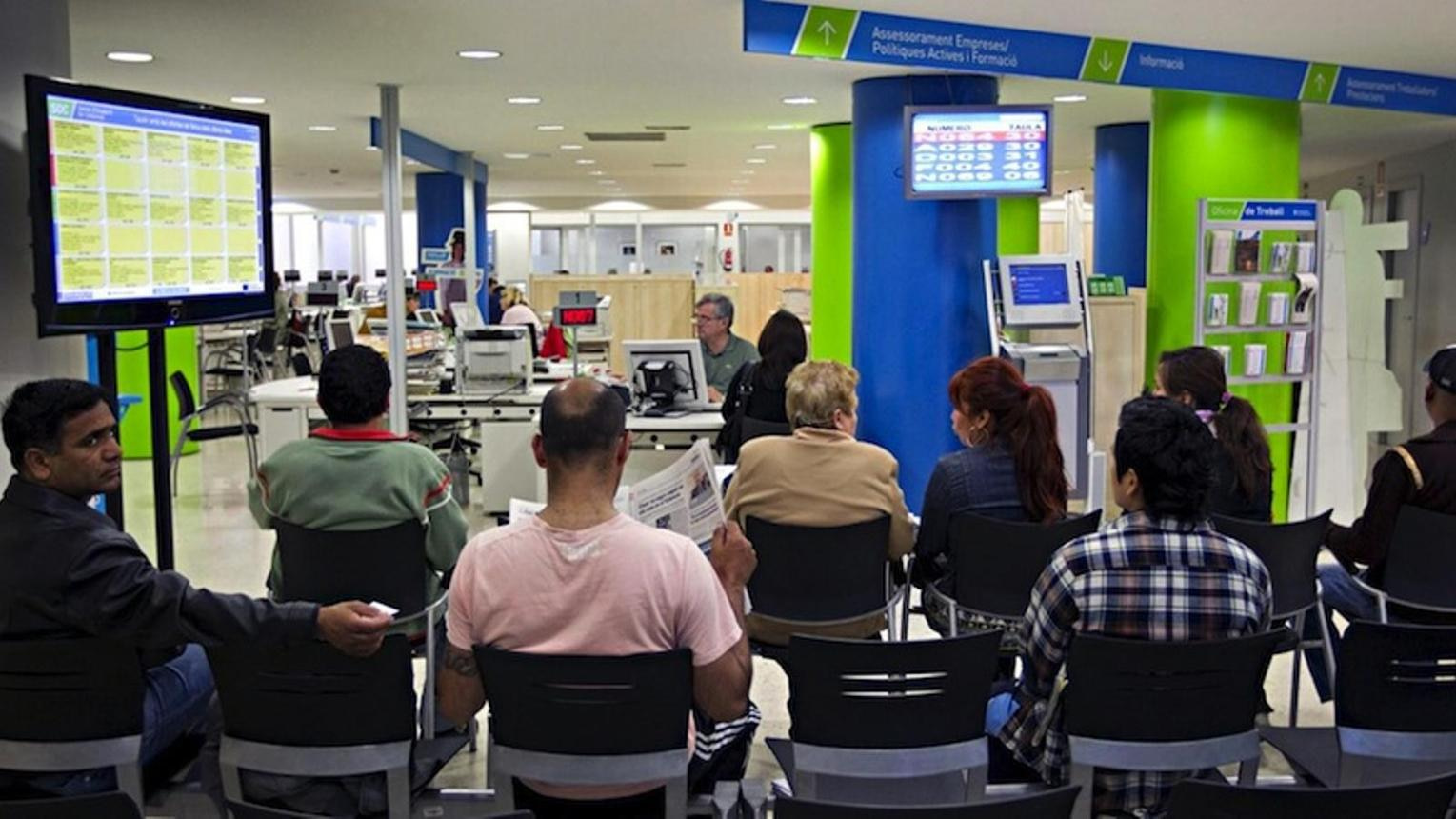
Employers voice familiar worries. Business groups warn that fast-rising floors could squeeze small firms and cost jobs in poorer regions, and they urge governments to move gradually. Unions reply that decades of stagnant low pay hollowed out household spending and fed the very insecurity that fuels political anger.

The judgment also settles a wider argument about what the Union is for. Supporters of a stronger Social Europe had feared that the court would treat pay as untouchable, cementing the idea that the single market protects goods and capital far better than workers. The ruling points the other way.

Work remains unfinished. Enforcement varies widely, some governments drag their feet, and the minimum wage rules do nothing for the millions still trapped in bogus self-employment. Yet with the law’s foundations now secure, the fight shifts from whether Europe can set a floor to how high that floor should climb.