Brussels: When the European Union adopted its 21st package of sanctions against Russia on 23 July 2026, the most consequential decision was a number the bloc chose not to move. Rather than lower the oil cap on the price of Russian crude, ministers froze it at 44.10 dollars a barrel and suspended the automatic review that would otherwise have adjusted it, holding the limit steady for twelve months.
The choice looks technical, yet it captures the dilemma at the heart of Europe’s oil strategy. A price cap works by letting Russian barrels flow to global buyers while limiting the revenue Moscow earns on each one. Set the oil cap too low and cargoes vanish from the legal market into a shadow fleet Europe cannot police; set it too high and the Kremlin banks the difference.
Barrels, banks and a bigger blacklist
The package reaches well beyond the oil cap. It expands transaction bans on Russian banks and, at a new scale, on crypto-asset service providers that route payments around the financial system. It tightens restrictions on Russian liquefied natural gas, broadens export and import controls, and adds 48 individuals and 168 entities to the asset-freeze list, one of the largest single expansions in four years.
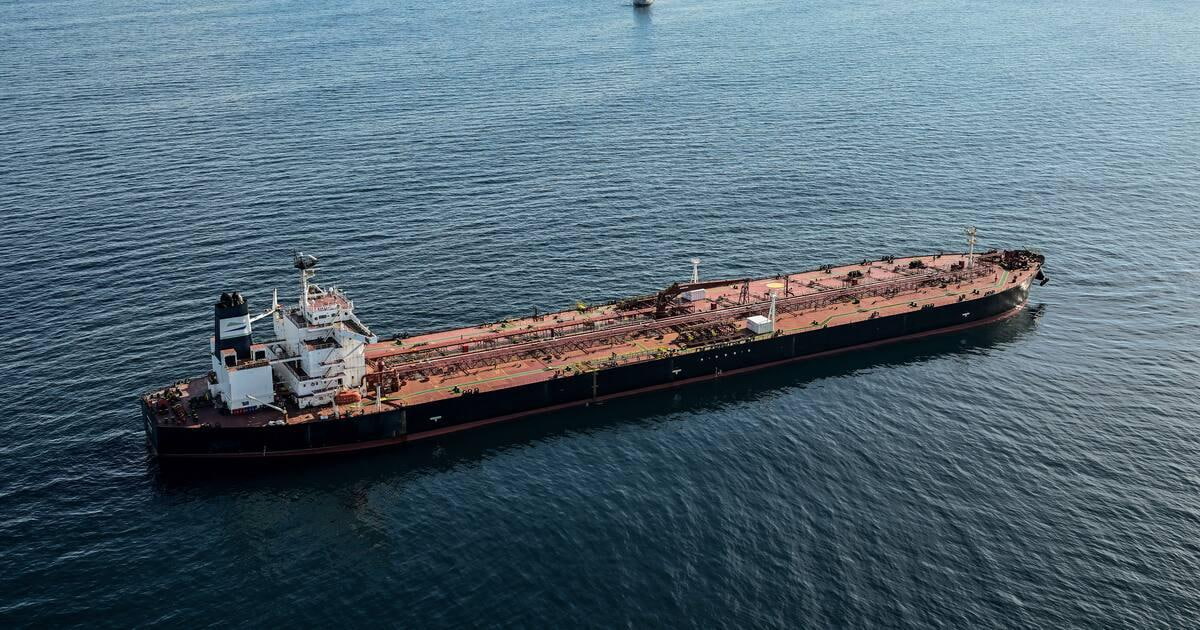
Most striking is the move against the shadow fleet. Earlier rounds blacklisted the ageing tankers that carry sanctioned crude; this one goes after the vessels and operators that assist that fleet, from ship-to-ship transfer specialists to the managers and insurers who keep it moving. The logic is to raise the cost of the workaround rather than chase each tanker in turn.
Why the freeze matters more than it looks
Freezing the cap was a defensive act. Oil prices have climbed on conflict in the Middle East, and the automatic adjustment mechanism, designed to track the market, would have lifted the ceiling and handed Russia a windfall precisely when its war budget is stretched. By suspending that mechanism, the EU chose predictability over a formula that had begun to work against it.
The decision also exposes the limits of sanctions built on consensus. Each package must clear all twenty-seven capitals, and the lowest common denominator often prevails. A frozen cap is easier to agree than a lower one, because it demands nothing new of member states that depend on stable energy markets. The result is a measure that holds the line without advancing it.
Enforcement remains the harder half of the story. Listing entities is swift; tracing crypto intermediaries, shadow-fleet ownership and re-flagged tankers across jurisdictions is slow, and Russia has spent three years building the networks to blunt each new round. The 21st package widens the net, but its bite depends on customs officers, port authorities and financial regulators far from Brussels.
For the Union, the package reads less as a knockout blow than as a signal of stamina. It shows that European unity on Russia has survived shifting governments and war fatigue, and that the bloc can still add measures faster than Moscow can neutralise the last set. Whether that persistence translates into pressure on the Kremlin’s finances will be measured not in the number of packages but in the barrels that keep slipping past the cap.