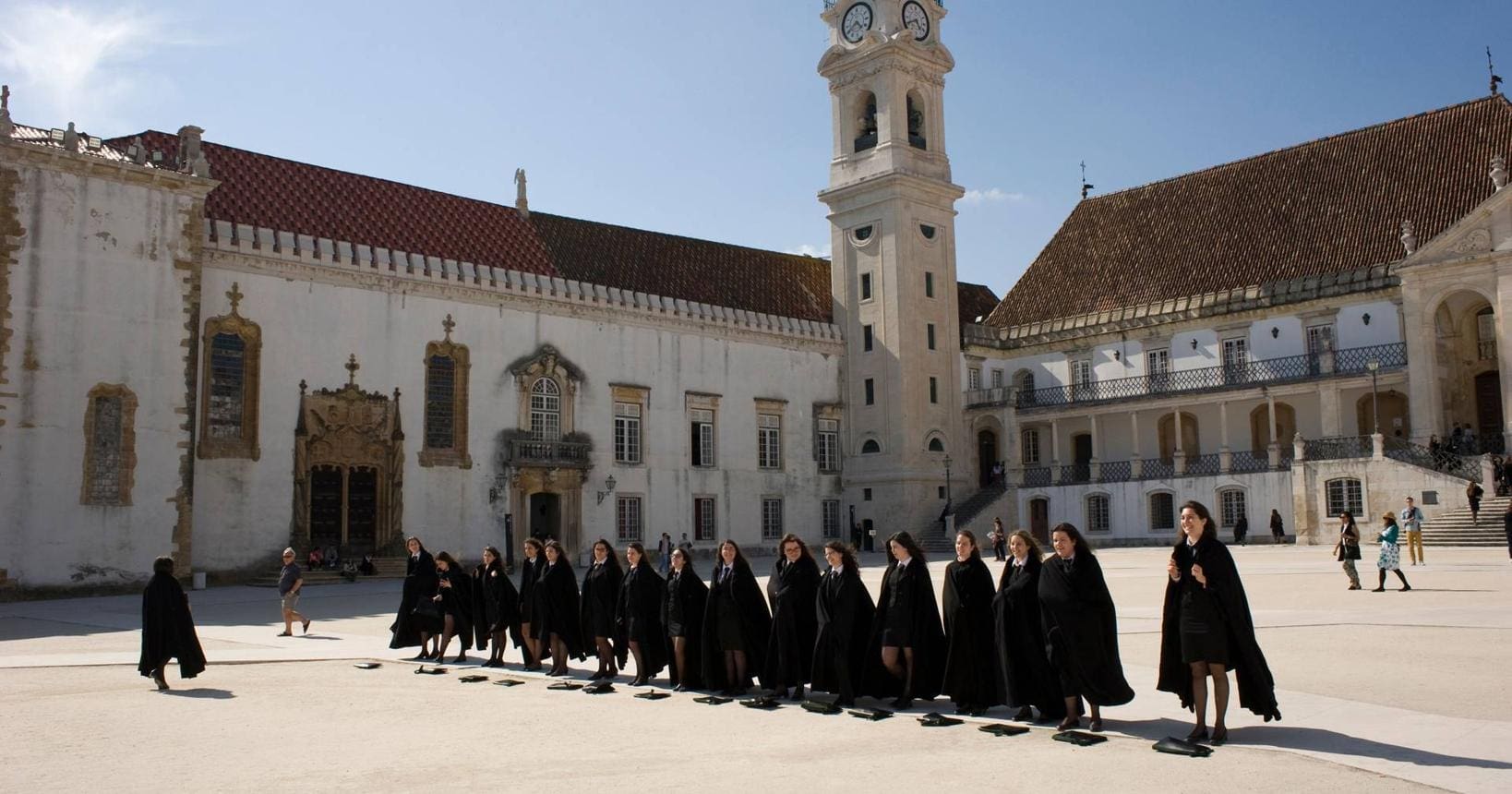
Coimbra: In this Portuguese university city, where a medieval library still draws scholars and tourists alike, cultural organisations are eyeing a fresh round of European money even as a larger budget battle threatens the programmes that fund them. The Union’s Creative Europe scheme has opened new calls, while the Erasmus student exchange faces an uncertain future.
Creative Europe runs on roughly 380 million euros this year, and the Commission has earmarked around 60 million for cooperation projects that link theatres, museums, publishers, architects and designers across borders. Officials expect the money to back some 150 ventures, from touring performances to heritage restoration.
For a city built on culture and learning, the appeal is obvious. Portuguese institutions have long used European grants to co-produce festivals, digitise archives and place their artists on foreign stages, and smaller organisations depend on the funding to reach audiences beyond their own borders.
Yet the mood is tense. Negotiations over the Union’s next long-term budget, covering 2028 to 2034, have exposed how vulnerable culture and education spending can be when defence, migration and industrial priorities compete for the same euros.
Erasmus sits at the heart of that anxiety. The Commission has proposed lifting the exchange programme’s budget sharply for the next period, an increase of more than half on paper, yet universities warn that headline figures can mask cuts once inflation and new obligations are counted. Some higher-education projects have already seen tighter funding this year.
Supporters make an economic case as well as a cultural one. They argue that student mobility builds the skills and networks a competitive Europe needs, and that the creative sector employs millions and anchors tourism in cities exactly like Coimbra. Cutting these budgets, they say, would be a false economy.
Critics of ever-larger programmes counter that culture and education remain national responsibilities, and that the Union should concentrate scarce resources where member states cannot act alone. That tension runs straight through the budget talks now under way.
The Commission insists it can protect both ambition and value for money. It points to reforms meant to simplify applications and widen access, so that small organisations in smaller cities are not crowded out by well-staffed institutions in the capitals.
For now, Coimbra’s cultural bodies are doing two things at once: preparing bids for this year’s calls and lobbying, through national networks, to defend the funding that comes after 2027. The exchange scheme and its future rest with the Council.
The next budget will decide whether Europe’s cultural ambitions match its rhetoric.