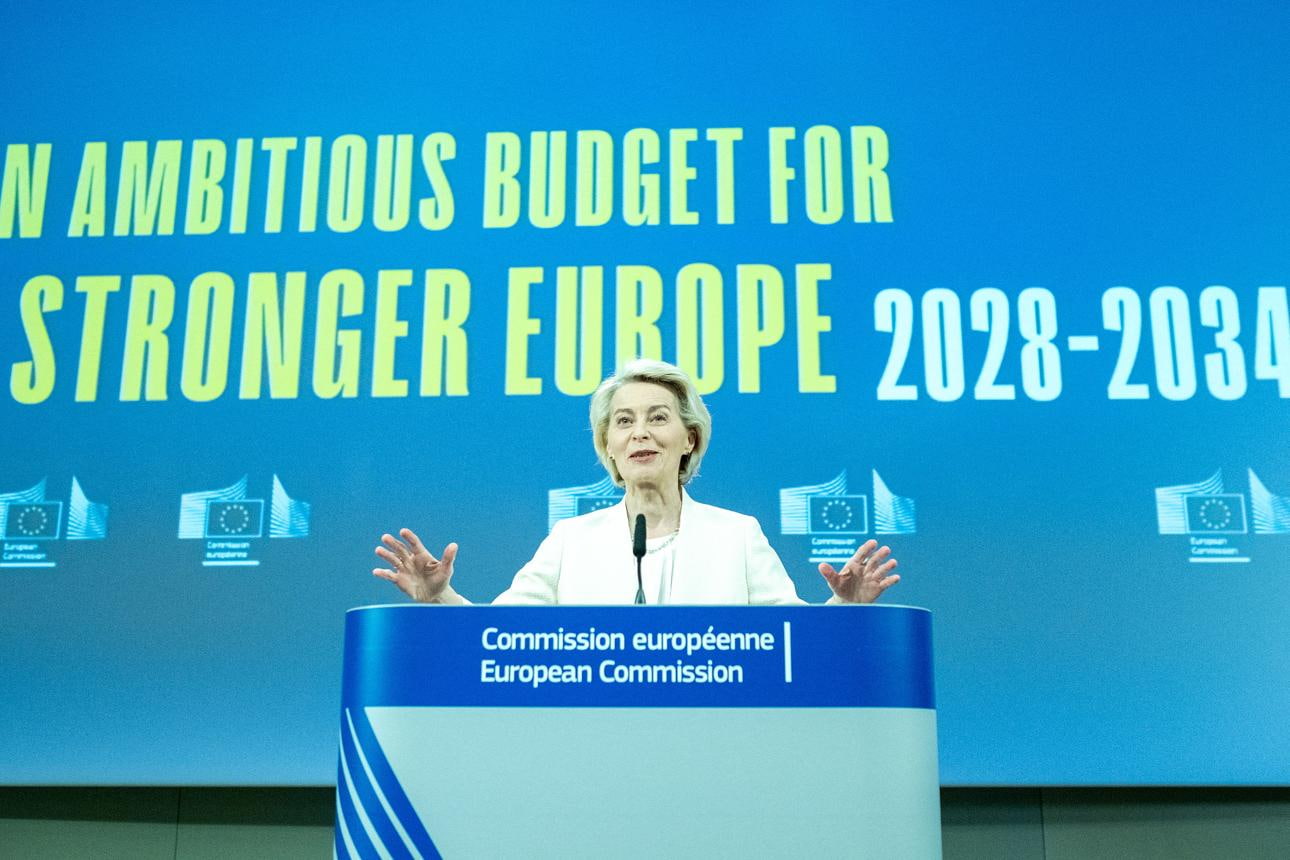
Luxembourg: Every seven years the Union argues about money, and every seven years the argument grows harder. The talks over the next EU budget, the long-term framework covering 2028 to 2034, have now reached the phase where warm words give way to hard numbers, and the toughest number of all concerns where the money will come from.
The Commission wants to lean less on national treasuries and more on so-called own resources, revenue streams that flow directly to the Union rather than through capitals. Its plan floats five new sources expected to raise around fifty-eight billion euros a year. They draw on the emissions trading system, the carbon border levy, a charge on electronic waste, a tobacco excise contribution and a corporate resource aimed at companies with turnover above one hundred million euros.
National governments have heard such promises before. Own resources have been debated for a generation, yet the Union still depends heavily on direct contributions calculated from each country’s income. The Council’s own account of the negotiations makes clear that three questions dominate: the overall size of the budget, the shape of the structural funds that support poorer regions, and these new sources of revenue.
The June summit of national leaders produced no deal, but it did set a rhythm. The Irish presidency, which took the chair on 1 July, must advance a negotiating box toward the October summit, with the aim of a final agreement before the year ends. That is an ambitious clock, given that the framework needs unanimous approval from all twenty-seven governments and the consent of the Parliament.
Behind the procedure lies a genuine clash of interests. Countries that pay more than they receive want a leaner budget and dislike handing Brussels independent taxing power. Countries that receive more fear cuts to cohesion money redirected toward defence and competitiveness. The Commission’s blueprint tries to satisfy both camps at once, which is why neither is fully satisfied.
Auditors have added their own caution. The Union’s spending watchdog warned that many of the proposed changes may complicate the budget rather than improve it, and that grand structural reforms often deliver less than they promise. That verdict stings because it questions the reform’s central claim, that a redesigned budget will be simpler and more effective.
For citizens the debate can feel remote, yet it decides how much Europe spends on farms, railways, research and its own defence for the better part of a decade. The coming months will show whether governments can agree on new ways to raise money, or whether they retreat once more to the familiar comfort of national contributions. The Irish presidency has staked its term on breaking the deadlock, and the calendar is unforgiving.