August 12, 2026
LATEST
Baltic Sea Fishing Quotas Face Steep Cuts for 2026EU Packaging Waste Rules Take Effect Across the BlocDigital Fairness Act Aims to Curb Addictive DesignYerevan’s Westward Bet Redraws Armenia’s Place in EuropeEurope Reaches Across the Caspian for Clean Power It Can TrustReforms Stall Even as the EU Grades Its Own Rule of Law RecordMontenegro Closes In on Its 2028 Target for Full EU MembershipMercosur Deal Now Faces a Long and Bruising Ratification GrindTemu Faces EU Penalty Threat Over Blocked Subsidy ChecksBanks Set for Simpler ESG Disclosure Under New EBA PlanMinimum Wages Climb Fastest in Eastern Europe, Data ShowsEurope’s Electrification Plan Aims to Slash Fossil Fuel BillsCouncil Clears Fertiliser Aid to Shield Struggling EU FarmersCan Europe Court Beijing and Contain It at the Same Time?Korean Tanks Fill the Gaps Europe Cannot Arm Fast EnoughAustralia Becomes Europe’s Answer to China’s Mineral GripEurope and Japan Bet on Shared Labs to Outpace ChinaWhy Europe and South Korea Rewrote the Rules of Digital TradeNew Zealand Helps Europe Anchor Its Ambitions Across the PacificCompetitiveness Fund Faces Its First Real Test of DeliveryBaltic Sea Fishing Quotas Face Steep Cuts for 2026EU Packaging Waste Rules Take Effect Across the BlocDigital Fairness Act Aims to Curb Addictive DesignYerevan’s Westward Bet Redraws Armenia’s Place in EuropeEurope Reaches Across the Caspian for Clean Power It Can TrustReforms Stall Even as the EU Grades Its Own Rule of Law RecordMontenegro Closes In on Its 2028 Target for Full EU MembershipMercosur Deal Now Faces a Long and Bruising Ratification GrindTemu Faces EU Penalty Threat Over Blocked Subsidy ChecksBanks Set for Simpler ESG Disclosure Under New EBA PlanMinimum Wages Climb Fastest in Eastern Europe, Data ShowsEurope’s Electrification Plan Aims to Slash Fossil Fuel BillsCouncil Clears Fertiliser Aid to Shield Struggling EU FarmersCan Europe Court Beijing and Contain It at the Same Time?Korean Tanks Fill the Gaps Europe Cannot Arm Fast EnoughAustralia Becomes Europe’s Answer to China’s Mineral GripEurope and Japan Bet on Shared Labs to Outpace ChinaWhy Europe and South Korea Rewrote the Rules of Digital TradeNew Zealand Helps Europe Anchor Its Ambitions Across the PacificCompetitiveness Fund Faces Its First Real Test of Delivery
August 12, 2026
LATEST
Baltic Sea Fishing Quotas Face Steep Cuts for 2026EU Packaging Waste Rules Take Effect Across the BlocDigital Fairness Act Aims to Curb Addictive DesignYerevan’s Westward Bet Redraws Armenia’s Place in EuropeEurope Reaches Across the Caspian for Clean Power It Can TrustReforms Stall Even as the EU Grades Its Own Rule of Law RecordMontenegro Closes In on Its 2028 Target for Full EU MembershipMercosur Deal Now Faces a Long and Bruising Ratification GrindTemu Faces EU Penalty Threat Over Blocked Subsidy ChecksBanks Set for Simpler ESG Disclosure Under New EBA PlanMinimum Wages Climb Fastest in Eastern Europe, Data ShowsEurope’s Electrification Plan Aims to Slash Fossil Fuel BillsCouncil Clears Fertiliser Aid to Shield Struggling EU FarmersCan Europe Court Beijing and Contain It at the Same Time?Korean Tanks Fill the Gaps Europe Cannot Arm Fast EnoughAustralia Becomes Europe’s Answer to China’s Mineral GripEurope and Japan Bet on Shared Labs to Outpace ChinaWhy Europe and South Korea Rewrote the Rules of Digital TradeNew Zealand Helps Europe Anchor Its Ambitions Across the PacificCompetitiveness Fund Faces Its First Real Test of DeliveryBaltic Sea Fishing Quotas Face Steep Cuts for 2026EU Packaging Waste Rules Take Effect Across the BlocDigital Fairness Act Aims to Curb Addictive DesignYerevan’s Westward Bet Redraws Armenia’s Place in EuropeEurope Reaches Across the Caspian for Clean Power It Can TrustReforms Stall Even as the EU Grades Its Own Rule of Law RecordMontenegro Closes In on Its 2028 Target for Full EU MembershipMercosur Deal Now Faces a Long and Bruising Ratification GrindTemu Faces EU Penalty Threat Over Blocked Subsidy ChecksBanks Set for Simpler ESG Disclosure Under New EBA PlanMinimum Wages Climb Fastest in Eastern Europe, Data ShowsEurope’s Electrification Plan Aims to Slash Fossil Fuel BillsCouncil Clears Fertiliser Aid to Shield Struggling EU FarmersCan Europe Court Beijing and Contain It at the Same Time?Korean Tanks Fill the Gaps Europe Cannot Arm Fast EnoughAustralia Becomes Europe’s Answer to China’s Mineral GripEurope and Japan Bet on Shared Labs to Outpace ChinaWhy Europe and South Korea Rewrote the Rules of Digital TradeNew Zealand Helps Europe Anchor Its Ambitions Across the PacificCompetitiveness Fund Faces Its First Real Test of Delivery

Euro Inflation Hits 2.9% and Revives the Case for Rate Rises

Price pressure in the euro area refused to fade over the summer, with euro inflation climbing to 2.9% in July from 2.8% a month earlier, according to Eurostat’s flash estimate. The reading sits almost a full point above the European Central Bank’s 2% target and has reopened a debate that looked settled only weeks ago.

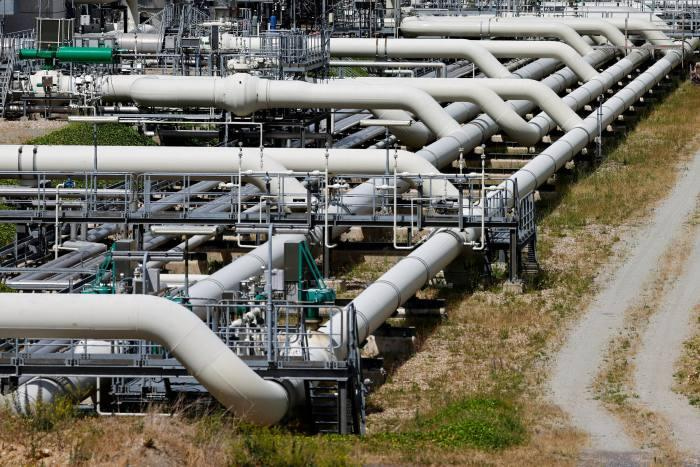
Energy did most of the damage. Energy inflation accelerated to 10% from 8.5% as renewed hostilities between the United States and Iran pushed oil and gas prices higher. Services inflation edged up to 3.3% from 3.2%, and non-energy industrial goods rose to 0.9% from 0.7%, a broad-based firming that policymakers find harder to wave away as a one-off shock. The full breakdown appears in Eurostat’s release.

Markets responded by pricing in a tighter stance. Traders now see roughly an 85% chance that the ECB lifts rates at its September meeting, with swaps contracts implying one or two quarter-point increases before the year ends. That marks a sharp turn for a central bank that spent much of 2025 signalling patience.

The growth backdrop complicates the call. Second-quarter output rose 0.4% in the euro area and 0.5% across the wider Union, steady enough to give the Governing Council room to act without obviously choking the recovery. A weaker print would have handed doves a stronger argument; instead the numbers suggest the bloc can absorb dearer borrowing costs.

Not every member state feels the squeeze equally. Countries more exposed to imported energy face steeper headline rates, while others closer to target fear that a uniform rate rise, imported to fight a Middle East oil shock, will cool domestic demand they cannot spare. That tension is the familiar bind of a single monetary policy stretched across divergent economies.

The next data point arrives on 19 August, when Eurostat publishes updated aggregates, followed by the September decision that now carries unusual weight. Should euro inflation hold near 3%, President Christine Lagarde will struggle to justify sitting still, whatever the growth risks. Should energy prices ease, the case for restraint returns almost overnight.

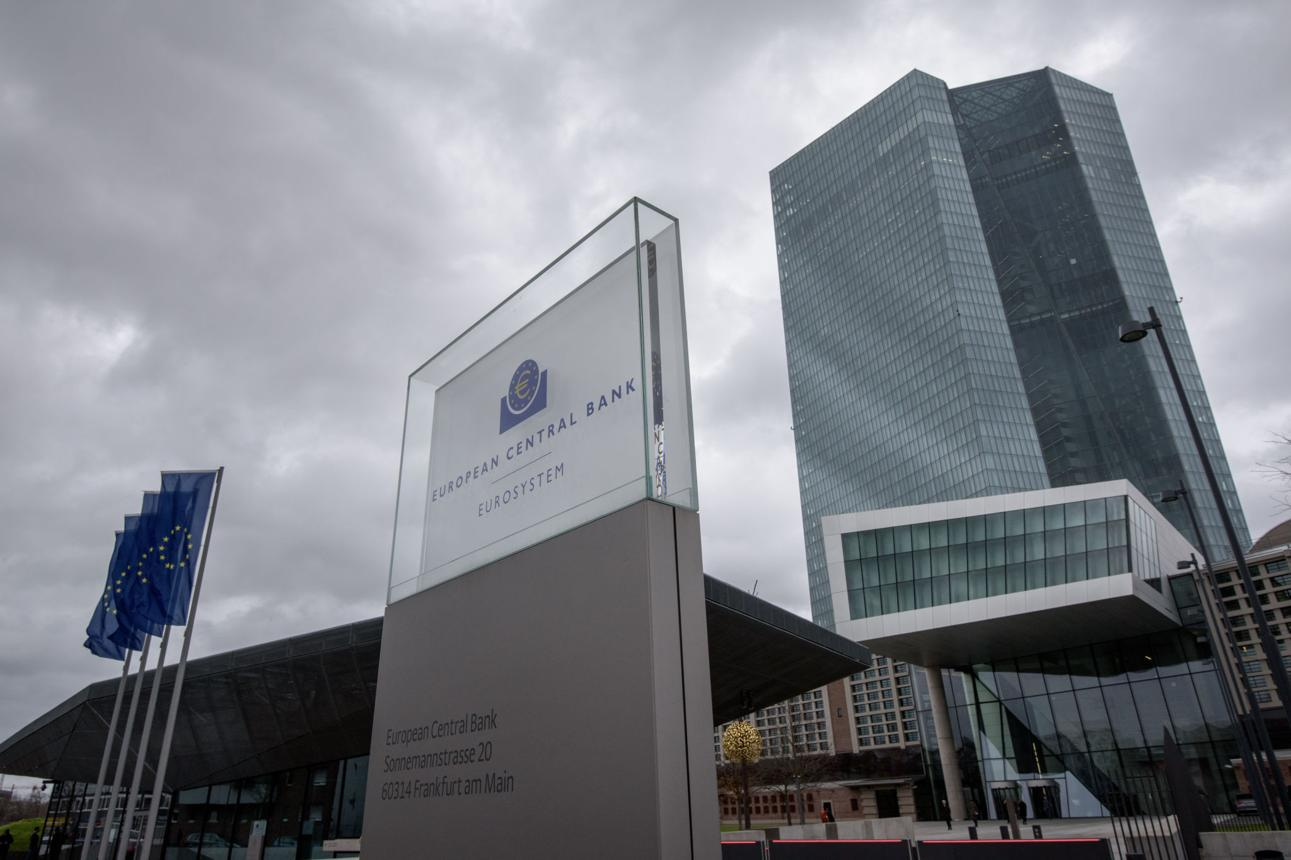
For households already watching gas and grocery bills, the abstraction of basis points lands as something concrete: mortgages, loans and savings rates that move with the Council’s choice. The ECB’s own account of its June decision underlines how finely balanced the arguments have become before governors gather again.