August 12, 2026
LATEST
Temu Faces EU Penalty Threat Over Blocked Subsidy ChecksBanks Set for Simpler ESG Disclosure Under New EBA PlanMinimum Wages Climb Fastest in Eastern Europe, Data ShowsEurope’s Electrification Plan Aims to Slash Fossil Fuel BillsCouncil Clears Fertiliser Aid to Shield Struggling EU FarmersCan Europe Court Beijing and Contain It at the Same Time?Korean Tanks Fill the Gaps Europe Cannot Arm Fast EnoughAustralia Becomes Europe’s Answer to China’s Mineral GripEurope and Japan Bet on Shared Labs to Outpace ChinaWhy Europe and South Korea Rewrote the Rules of Digital TradeNew Zealand Helps Europe Anchor Its Ambitions Across the PacificCompetitiveness Fund Faces Its First Real Test of DeliveryHorizon Europe Rolls Out Its 14 Billion Research PushCERV Programme Grants Target Civic Space Under StrainEurope’s Firefighting Fleet Faces Its Worst Season on RecordAI Gigafactories Draw a 30 Billion Euro Bid to Rival the USRail Passengers Win Full Rights on Multi-Leg TripsEuropean Universities Face a Budget and Reform TestTobacco Rules Face a Sweeping Reset as Vaping SurgesRiyadh Summit Tests Europe’s New Bet on the GulfTemu Faces EU Penalty Threat Over Blocked Subsidy ChecksBanks Set for Simpler ESG Disclosure Under New EBA PlanMinimum Wages Climb Fastest in Eastern Europe, Data ShowsEurope’s Electrification Plan Aims to Slash Fossil Fuel BillsCouncil Clears Fertiliser Aid to Shield Struggling EU FarmersCan Europe Court Beijing and Contain It at the Same Time?Korean Tanks Fill the Gaps Europe Cannot Arm Fast EnoughAustralia Becomes Europe’s Answer to China’s Mineral GripEurope and Japan Bet on Shared Labs to Outpace ChinaWhy Europe and South Korea Rewrote the Rules of Digital TradeNew Zealand Helps Europe Anchor Its Ambitions Across the PacificCompetitiveness Fund Faces Its First Real Test of DeliveryHorizon Europe Rolls Out Its 14 Billion Research PushCERV Programme Grants Target Civic Space Under StrainEurope’s Firefighting Fleet Faces Its Worst Season on RecordAI Gigafactories Draw a 30 Billion Euro Bid to Rival the USRail Passengers Win Full Rights on Multi-Leg TripsEuropean Universities Face a Budget and Reform TestTobacco Rules Face a Sweeping Reset as Vaping SurgesRiyadh Summit Tests Europe’s New Bet on the Gulf
August 12, 2026
LATEST
Temu Faces EU Penalty Threat Over Blocked Subsidy ChecksBanks Set for Simpler ESG Disclosure Under New EBA PlanMinimum Wages Climb Fastest in Eastern Europe, Data ShowsEurope’s Electrification Plan Aims to Slash Fossil Fuel BillsCouncil Clears Fertiliser Aid to Shield Struggling EU FarmersCan Europe Court Beijing and Contain It at the Same Time?Korean Tanks Fill the Gaps Europe Cannot Arm Fast EnoughAustralia Becomes Europe’s Answer to China’s Mineral GripEurope and Japan Bet on Shared Labs to Outpace ChinaWhy Europe and South Korea Rewrote the Rules of Digital TradeNew Zealand Helps Europe Anchor Its Ambitions Across the PacificCompetitiveness Fund Faces Its First Real Test of DeliveryHorizon Europe Rolls Out Its 14 Billion Research PushCERV Programme Grants Target Civic Space Under StrainEurope’s Firefighting Fleet Faces Its Worst Season on RecordAI Gigafactories Draw a 30 Billion Euro Bid to Rival the USRail Passengers Win Full Rights on Multi-Leg TripsEuropean Universities Face a Budget and Reform TestTobacco Rules Face a Sweeping Reset as Vaping SurgesRiyadh Summit Tests Europe’s New Bet on the GulfTemu Faces EU Penalty Threat Over Blocked Subsidy ChecksBanks Set for Simpler ESG Disclosure Under New EBA PlanMinimum Wages Climb Fastest in Eastern Europe, Data ShowsEurope’s Electrification Plan Aims to Slash Fossil Fuel BillsCouncil Clears Fertiliser Aid to Shield Struggling EU FarmersCan Europe Court Beijing and Contain It at the Same Time?Korean Tanks Fill the Gaps Europe Cannot Arm Fast EnoughAustralia Becomes Europe’s Answer to China’s Mineral GripEurope and Japan Bet on Shared Labs to Outpace ChinaWhy Europe and South Korea Rewrote the Rules of Digital TradeNew Zealand Helps Europe Anchor Its Ambitions Across the PacificCompetitiveness Fund Faces Its First Real Test of DeliveryHorizon Europe Rolls Out Its 14 Billion Research PushCERV Programme Grants Target Civic Space Under StrainEurope’s Firefighting Fleet Faces Its Worst Season on RecordAI Gigafactories Draw a 30 Billion Euro Bid to Rival the USRail Passengers Win Full Rights on Multi-Leg TripsEuropean Universities Face a Budget and Reform TestTobacco Rules Face a Sweeping Reset as Vaping SurgesRiyadh Summit Tests Europe’s New Bet on the Gulf

Co-Legislators Race to Seal the Digital Euro Rulebook in 2026

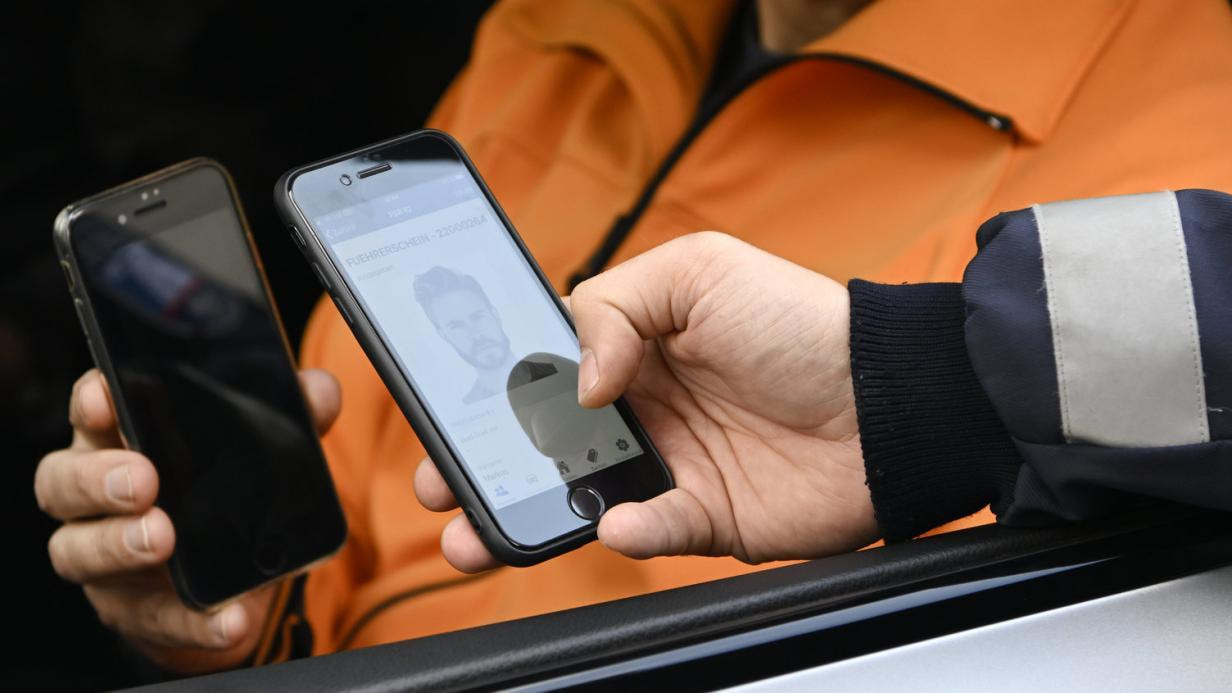
Strasbourg: The digital euro has spent years as a slide-deck ambition. In 2026 it edged closer to law, as the European Parliament and national governments narrowed their differences on a currency that would live on a phone rather than in a wallet.

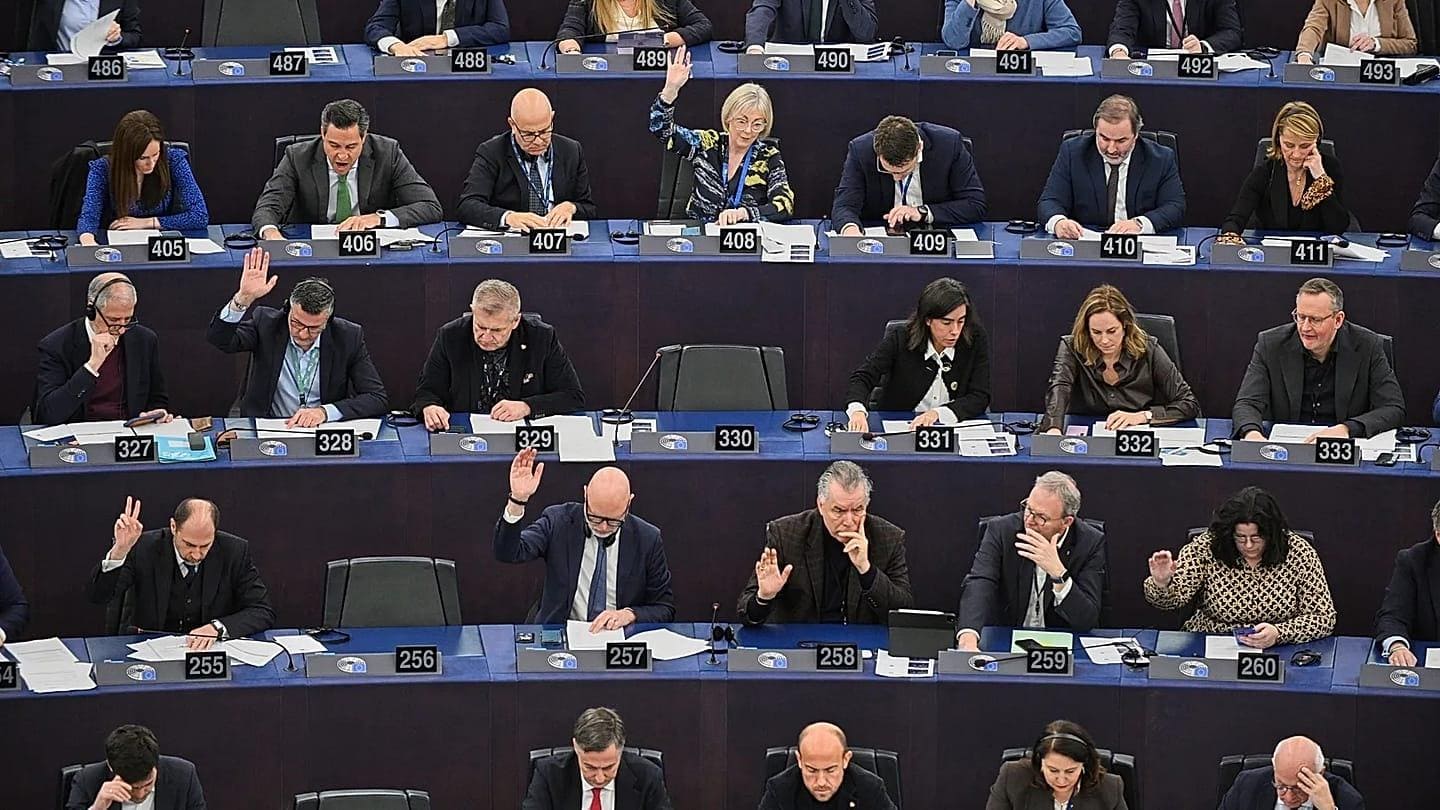
Parliament threw its weight behind the project early in the year, calling a public digital currency essential to shore up monetary sovereignty, cut fragmentation in retail payments and keep the single market resilient. The European Central Bank has meanwhile shifted from thinking about the idea to building the plumbing behind it.

The working assumption in both institutions is that co-legislators will adopt the regulation establishing the digital euro during 2026. That would clear the way for a pilot in mid-2027 and a possible first issuance around 2029. Nothing is guaranteed, and the timetable has slipped before, but the direction of travel now points firmly toward a launch.

Supporters frame the currency as insurance. Europeans increasingly pay through American card networks and private apps, leaving the continent exposed if a foreign provider stumbles or a geopolitical quarrel disrupts service. A central-bank-backed option, they argue, would give households a public alternative that works even when private rails fail.

Banks remain wary. Lenders fear that savers could shift deposits into digital euros during a panic, draining the funding they rely on to make loans. To calm those nerves, negotiators have circled around a holding cap that would limit how much any individual can keep, turning the digital euro into a means of payment rather than a place to park wealth.

Privacy has become the other flashpoint. Consumer groups want the currency to mimic the anonymity of cash, at least for small transactions, while supervisors insist on enough traceability to block money laundering. The ECB has promised that it would not see users’ personal payment data, but critics want that pledge written hard into the regulation rather than left to assurance.

The rulebook itself has swelled beyond the headline currency. It sets out how shops would be obliged to accept the digital euro, how offline payments might work without an internet connection, and how the costs of running the system would be shared between the central bank, commercial banks and merchants. Each clause carries lobbying weight.

Smaller member states see an upside in cheaper cross-border payments, which still cost more inside the euro area than many citizens expect. A common digital instrument could strip out intermediaries and shave fees, particularly for the migrant workers who send money home across internal borders.

Skeptics counter that Europeans already enjoy fast, functional payments and question whether a state-issued token solves a problem most people feel. That doubt will shadow the final negotiations. Yet with Parliament committed and the ECB pouring resources into the infrastructure, the digital euro has moved from whether to when, and 2026 may be the year the law catches up with the ambition.