August 12, 2026
LATEST
Temu Faces EU Penalty Threat Over Blocked Subsidy ChecksBanks Set for Simpler ESG Disclosure Under New EBA PlanMinimum Wages Climb Fastest in Eastern Europe, Data ShowsEurope’s Electrification Plan Aims to Slash Fossil Fuel BillsCouncil Clears Fertiliser Aid to Shield Struggling EU FarmersCan Europe Court Beijing and Contain It at the Same Time?Korean Tanks Fill the Gaps Europe Cannot Arm Fast EnoughAustralia Becomes Europe’s Answer to China’s Mineral GripEurope and Japan Bet on Shared Labs to Outpace ChinaWhy Europe and South Korea Rewrote the Rules of Digital TradeNew Zealand Helps Europe Anchor Its Ambitions Across the PacificCompetitiveness Fund Faces Its First Real Test of DeliveryHorizon Europe Rolls Out Its 14 Billion Research PushCERV Programme Grants Target Civic Space Under StrainEurope’s Firefighting Fleet Faces Its Worst Season on RecordAI Gigafactories Draw a 30 Billion Euro Bid to Rival the USRail Passengers Win Full Rights on Multi-Leg TripsEuropean Universities Face a Budget and Reform TestTobacco Rules Face a Sweeping Reset as Vaping SurgesRiyadh Summit Tests Europe’s New Bet on the GulfTemu Faces EU Penalty Threat Over Blocked Subsidy ChecksBanks Set for Simpler ESG Disclosure Under New EBA PlanMinimum Wages Climb Fastest in Eastern Europe, Data ShowsEurope’s Electrification Plan Aims to Slash Fossil Fuel BillsCouncil Clears Fertiliser Aid to Shield Struggling EU FarmersCan Europe Court Beijing and Contain It at the Same Time?Korean Tanks Fill the Gaps Europe Cannot Arm Fast EnoughAustralia Becomes Europe’s Answer to China’s Mineral GripEurope and Japan Bet on Shared Labs to Outpace ChinaWhy Europe and South Korea Rewrote the Rules of Digital TradeNew Zealand Helps Europe Anchor Its Ambitions Across the PacificCompetitiveness Fund Faces Its First Real Test of DeliveryHorizon Europe Rolls Out Its 14 Billion Research PushCERV Programme Grants Target Civic Space Under StrainEurope’s Firefighting Fleet Faces Its Worst Season on RecordAI Gigafactories Draw a 30 Billion Euro Bid to Rival the USRail Passengers Win Full Rights on Multi-Leg TripsEuropean Universities Face a Budget and Reform TestTobacco Rules Face a Sweeping Reset as Vaping SurgesRiyadh Summit Tests Europe’s New Bet on the Gulf
August 12, 2026
LATEST
Temu Faces EU Penalty Threat Over Blocked Subsidy ChecksBanks Set for Simpler ESG Disclosure Under New EBA PlanMinimum Wages Climb Fastest in Eastern Europe, Data ShowsEurope’s Electrification Plan Aims to Slash Fossil Fuel BillsCouncil Clears Fertiliser Aid to Shield Struggling EU FarmersCan Europe Court Beijing and Contain It at the Same Time?Korean Tanks Fill the Gaps Europe Cannot Arm Fast EnoughAustralia Becomes Europe’s Answer to China’s Mineral GripEurope and Japan Bet on Shared Labs to Outpace ChinaWhy Europe and South Korea Rewrote the Rules of Digital TradeNew Zealand Helps Europe Anchor Its Ambitions Across the PacificCompetitiveness Fund Faces Its First Real Test of DeliveryHorizon Europe Rolls Out Its 14 Billion Research PushCERV Programme Grants Target Civic Space Under StrainEurope’s Firefighting Fleet Faces Its Worst Season on RecordAI Gigafactories Draw a 30 Billion Euro Bid to Rival the USRail Passengers Win Full Rights on Multi-Leg TripsEuropean Universities Face a Budget and Reform TestTobacco Rules Face a Sweeping Reset as Vaping SurgesRiyadh Summit Tests Europe’s New Bet on the GulfTemu Faces EU Penalty Threat Over Blocked Subsidy ChecksBanks Set for Simpler ESG Disclosure Under New EBA PlanMinimum Wages Climb Fastest in Eastern Europe, Data ShowsEurope’s Electrification Plan Aims to Slash Fossil Fuel BillsCouncil Clears Fertiliser Aid to Shield Struggling EU FarmersCan Europe Court Beijing and Contain It at the Same Time?Korean Tanks Fill the Gaps Europe Cannot Arm Fast EnoughAustralia Becomes Europe’s Answer to China’s Mineral GripEurope and Japan Bet on Shared Labs to Outpace ChinaWhy Europe and South Korea Rewrote the Rules of Digital TradeNew Zealand Helps Europe Anchor Its Ambitions Across the PacificCompetitiveness Fund Faces Its First Real Test of DeliveryHorizon Europe Rolls Out Its 14 Billion Research PushCERV Programme Grants Target Civic Space Under StrainEurope’s Firefighting Fleet Faces Its Worst Season on RecordAI Gigafactories Draw a 30 Billion Euro Bid to Rival the USRail Passengers Win Full Rights on Multi-Leg TripsEuropean Universities Face a Budget and Reform TestTobacco Rules Face a Sweeping Reset as Vaping SurgesRiyadh Summit Tests Europe’s New Bet on the Gulf

Commission Sets Out How the Digital Driving Licence Will Work

Copenhagen: A driving licence has looked much the same across Europe for a generation, a plastic card tucked into a wallet. On 29 July the European Commission spelled out how that card will migrate to a phone, and what else changes when the Union’s overhauled rules take hold.

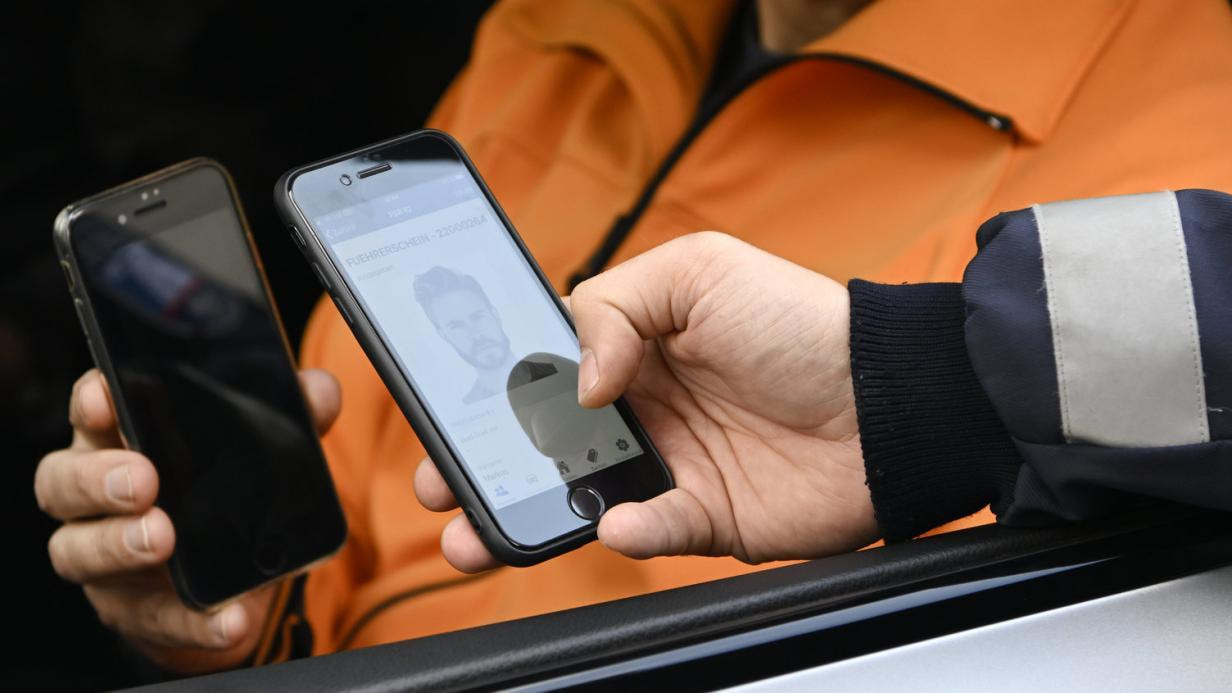
The Commission published an implementation strategy for the new driving licence directive, adopted in late 2025. The centrepiece is a fully digital driving licence, issued into the EU Digital Identity Wallet and usable on a smartphone. Drivers who prefer plastic can keep it, but the phone version becomes the default across every member state.

The reform reaches well beyond format. A probationary period of at least two years will apply to novice drivers, during which tougher rules and stiffer penalties bite anywhere in the Union. The aim is to curb the crashes that cluster in the first months behind the wheel, when inexperience and overconfidence collide.

Younger drivers gain a supervised on-ramp. An EU-wide accompanied driving scheme will let seventeen-year-olds learn in a category-B car alongside an experienced adult, building road time before they drive solo. Governments that already run such schemes nationally will see them recognised across borders for the first time.

The directive also tightens the loop on dangerous drivers. A parallel set of rules on driving disqualifications means a serious offence committed in one member state can follow the driver home, closing a gap that let some offenders keep driving simply by crossing a border. Enforcement authorities will share the relevant records to make the ban stick.

Fitness to drive gets more attention too. The rules push for more systematic medical checks, with member states free to choose between formal assessments and self-declaration backed by awareness campaigns. The Commission wants ageing drivers and those with relevant conditions reviewed without turning routine renewal into an ordeal.

Training requirements shift toward the people most at risk outside the car. Instructors will place greater emphasis on the safety of pedestrians, cyclists and users of electric scooters, reflecting a decade in which urban streets grew more crowded and the mix of road users grew more varied.

None of this arrives overnight. Member states have until late 2028 to transpose the directive, and the rules apply from November 2029, giving licensing agencies and app developers a runway to build the digital infrastructure. The Commission’s strategy is meant to keep that rollout consistent, so a licence works the same whether its holder crosses from Denmark into Germany or from Portugal into Spain.

Road-safety campaigners welcomed the detail but warned that ambition means little without funding for enforcement and driver testing. The Union has set a target of halving road deaths by 2030, and progress has stalled in several countries. The digital licence, for all its convenience, will be judged on whether it helps move that stubborn number.