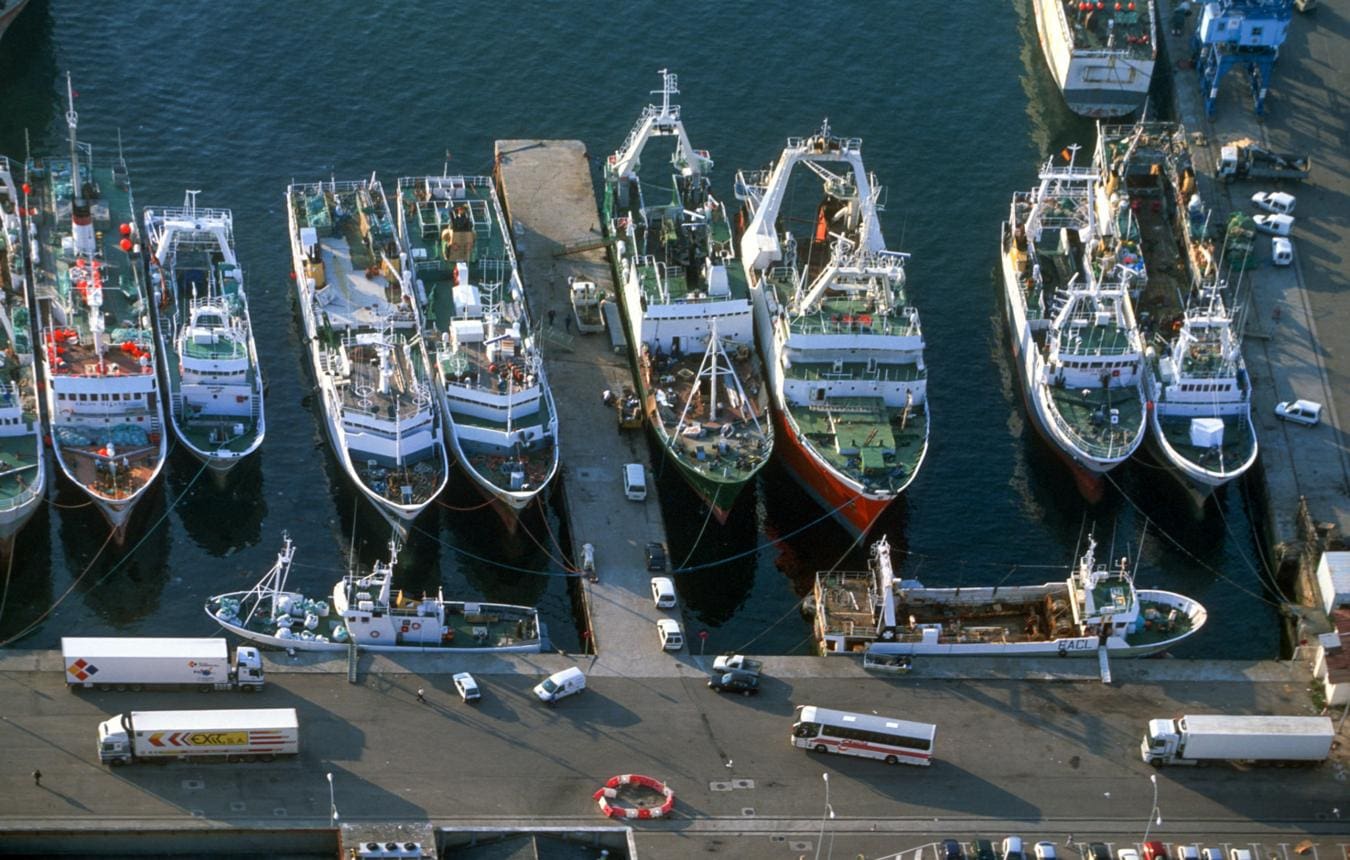
Bilbao: For years, a shipment of frozen tuna could enter Europe on the strength of a paper certificate that few officials had the time or tools to verify. That loophole is closing, as the Union switches its import controls to a digital system built to spot the fish that should never have been caught.
Since 10 January 2026, importers must file catch certificates for fishery products through an IT tool called CATCH, part of the Union’s tightened fisheries control regulation. The move ends a paper regime that critics long blamed for letting illegally caught seafood slip onto European plates.
Illegal, unreported and unregulated fishing drains the oceans and undercuts the crews who play by the rules. The Union is one of the world’s largest seafood importers, so what it lets through its ports shapes fishing practices far beyond European waters. A leaky certification system effectively rewarded the boats that ignored quotas and off-limits grounds.
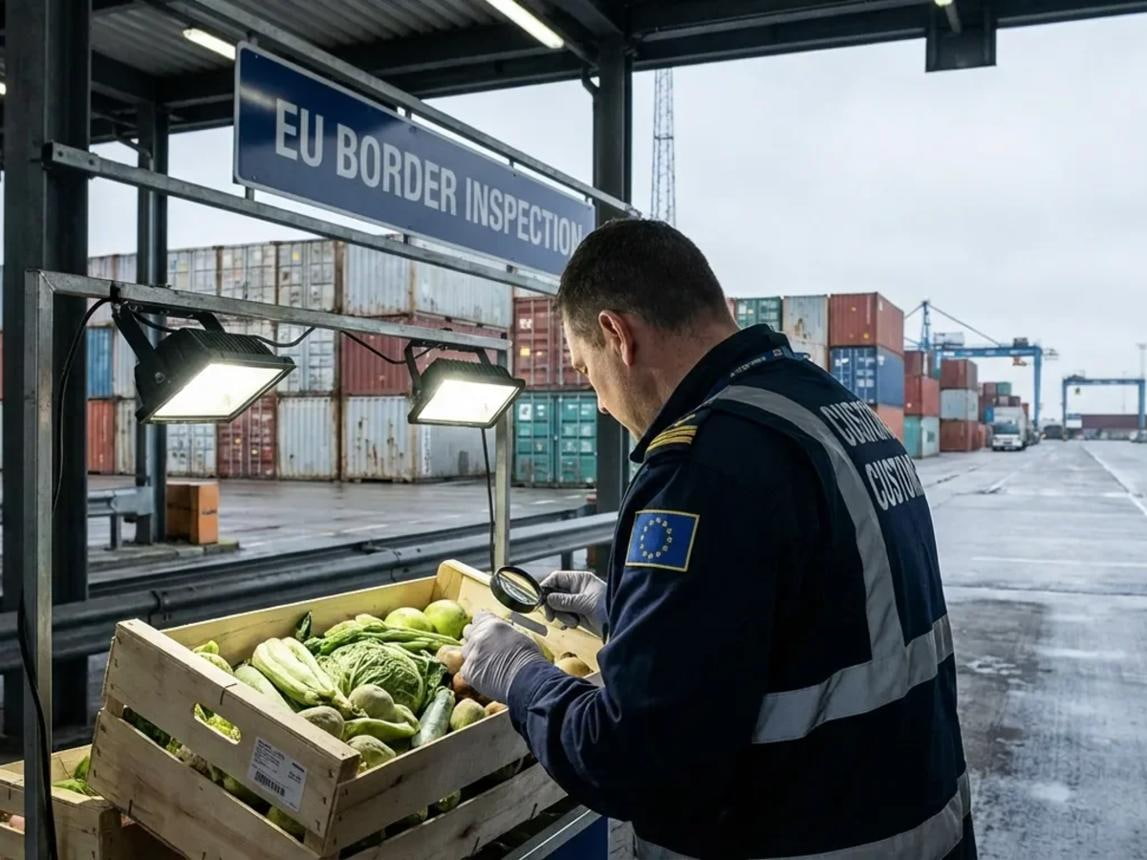
CATCH digitises the whole chain. Each consignment carries an electronic certificate that customs and fisheries officers can cross-check against vessel records, flag-state data and known risk patterns. Instead of stamping a document and waving the container through, inspectors can flag anomalies before the fish reaches a wholesaler.
The system also lightens the load for legitimate traders, at least once they adapt. A single digital submission replaces stacks of paperwork that had to be couriered, copied and stored. Companies that import responsibly stand to move goods faster, while those that cut corners find the shortcuts harder to hide.
The change forms one strand of a broader control overhaul agreed after years of negotiation. Alongside digital certificates, the reformed rules bring in tighter tracking of catches, better data on where and how fish are landed, and stronger penalties for operators caught breaking the rules. Enforcement, long the weak link, gets sharper teeth.
Not every part of the Union welcomed the timing. Smaller importers complain that adapting to a new digital platform costs money and patience, and that guidance arrived late. National administrations have had to train staff and connect their own systems to the central tool, a task that has progressed unevenly across member states.
Environmental groups, who spent years pressing for exactly this shift, called the launch overdue but significant. They argue that traceability is the single most effective weapon against illegal fishing, because it turns a distant crime on the high seas into a document that fails a database check at a European port.
The real test comes in the sorting. A certificate is only as good as the scrutiny behind it, and the tool depends on officials acting on the alerts it generates. Fisheries campaigners will watch how many suspect consignments get stopped, and whether the promise of a cleaner supply chain survives contact with the sheer volume of seafood crossing the Union’s borders each day.