Lille: The most sweeping customs reform in the Union’s history has found its home. When negotiators from the Council and Parliament sealed their political deal in March, they did more than rewrite rules dating back to 1968. They agreed to build an entirely new institution, and they placed it in the northern French city of Lille.
The new European Union Customs Authority will act as the brain of a system that has long run on twenty-seven separate nervous systems. For decades, each member state operated its own customs computers, its own risk models and its own paperwork. Traders moving the same container across three borders often filed the same data three times. The reform ends that duplication.
At the heart of the change sits the EU Customs Data Hub, a single environment through which companies will submit their information once. The authority in Lille will develop and run that hub, pool the data flowing into it, and coordinate how officials across the bloc spot risky shipments. The Council and Parliament described the agreement as a landmark for good reason.
The timetable is deliberately slow. The hub opens first to e-commerce parcels on 1 July 2028, then widens in stages until it covers all movement of goods by March 2034. Officials chose that pace because they are replacing plumbing that touches every port, airport and warehouse in Europe, and a botched switch would freeze trade.
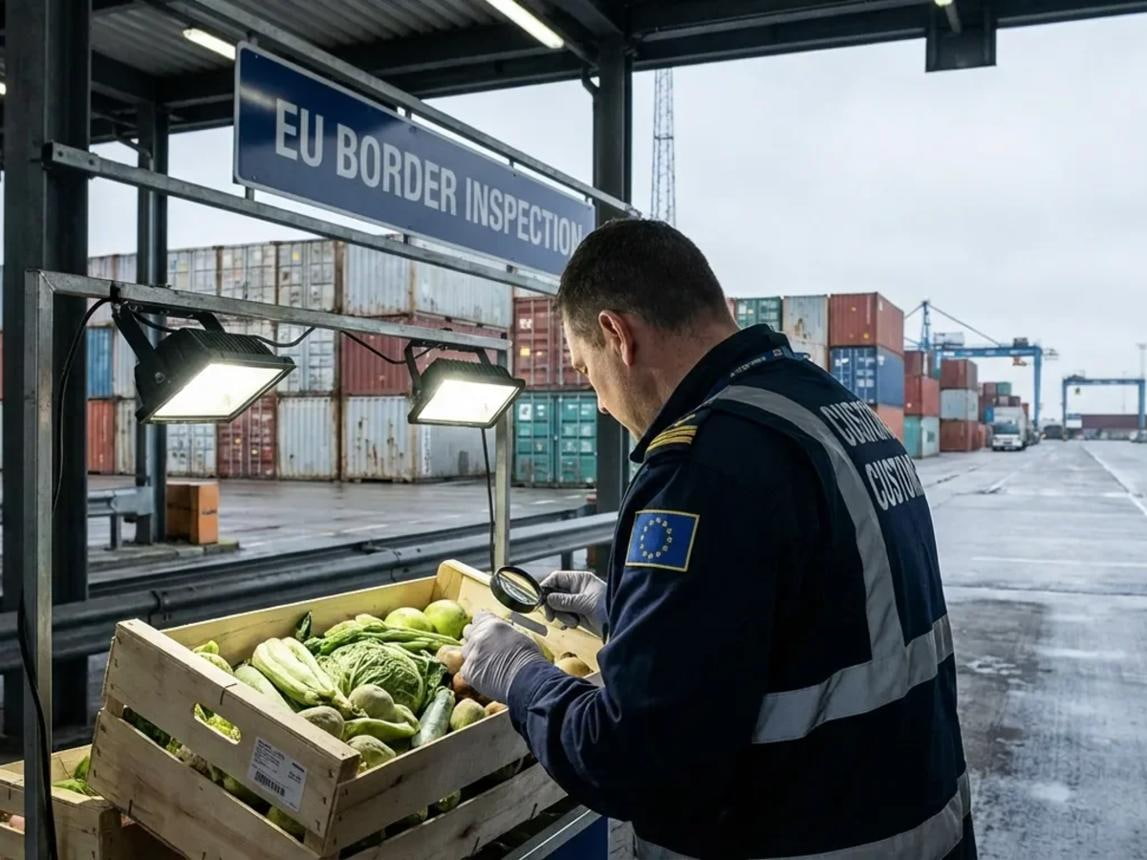
For businesses, the shift from a declaration culture to a data culture is profound. Instead of assembling formal declarations at the moment goods cross a line on a map, importers will feed continuous information into the hub and let the system draw conclusions. Trusted operators with clean records will move goods with lighter checks, while newcomers and risky flows face closer scrutiny. The authority itself becomes the referee of that trust.
Critics warn that the promise depends on software that does not yet exist at scale. Building a hub that ingests the customs traffic of an entire continent, without leaks or outages, is a formidable engineering task, and the 2034 horizon leaves little room for slippage. National administrations also worry about ceding visibility to a central body, even as they welcome relief from maintaining ageing systems.
Still, the direction now looks settled. Lille will spend the coming years hiring analysts, wiring data links and testing the platform against real cargo. If the reform works, a trader in Rotterdam and a customs officer in Piraeus will finally read from the same page. If it stumbles, the Union will have centralised its weaknesses along with its strengths. Either way, the era of twenty-seven customs islands is ending, and a single European mainland is taking shape in a French office block.