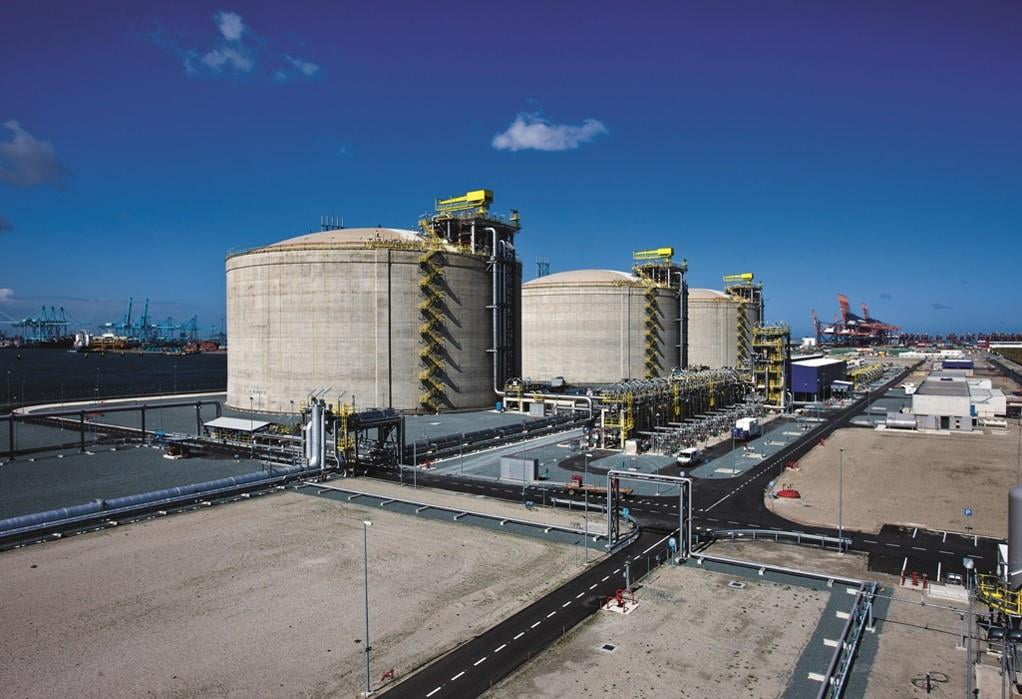
Europe heads into the second half of August with its underground gas tanks well short of full, and with a winter target that policymakers quietly made easier to reach.
Storage across the bloc stood at roughly 57 per cent at the start of the month. To hit the mandatory 80 per cent threshold by 1 November, operators need to inject at about a quarter of a percentage point of capacity every day between now and then. The current pace clears that bar, though not by a comfortable margin, and any prolonged heatwave that pulls gas into power generation would eat the cushion fast.
The number to watch is not 57. It is 80, and the fact that the figure used to be 90. Ministers relaxed the filling obligation for this winter and gave member states flexibility on the deadline, a change that reflected two years of complaints from traders who argued that a hard legal target hands sellers a captive buyer. When everyone must fill by the same date, summer prices rise and the usual gap between summer and winter contracts closes. Europe then pays more to store gas it may not need.
That summer-to-winter spread has narrowed again this year, partly because conflict in the Middle East keeps a risk premium in the market. Traders who normally profit from buying cheap in July and selling dear in January find the economics thin. The Commission’s own storage framework was designed for a supply shock, not for a market where the arbitrage has disappeared.
The starting position made this summer harder than the previous three. On 1 April, when the injection season opened, stocks sat near 28 per cent, the thinnest opening balance since the framework began. A cold end to the previous winter drained more than expected, and refilling from a lower base means more molecules, more tanker deliveries and more competition with Asian buyers for every cargo.
The EU energy regulators agency has done the sums, and its conclusion is straightforward. Meeting the old 90 per cent level would require liquefied natural gas imports around 13 per cent above last year’s volumes. Meeting 80 per cent works with roughly the volumes Europe already buys. The relaxed target, in other words, is not a small administrative tweak. It is the difference between a scramble for cargoes and a manageable summer.
National positions vary far more than the aggregate suggests. Countries with large salt caverns and long-standing storage cultures sit comfortably. Others depend on neighbours’ facilities and on interconnector capacity that behaves differently when everyone injects at once. Council figures show the spread, and it is wide enough that a bloc-level percentage tells you very little about who actually faces risk in January.
The Commission plans to revisit the wider energy security framework this year and to decide whether storage rules should become a permanent fixture or lapse as an emergency measure. That review will force an awkward conversation. Mandatory storage buys insurance, and insurance costs money. Households and industry pay the premium through their bills, and after four winters without a shortage, the political appetite for paying it is fading.
A mild autumn would let everyone avoid the argument for another year. A cold October would not.