Surabaya: Exporters here have already priced in a deal that is not yet in force. CEPA ratification, the last procedural hurdle before the Indonesia-EU Comprehensive Economic Partnership Agreement takes effect, has moved out of the hands of the negotiators who spent nearly a decade building it and into the hands of legislatures that were never in the room.
The two sides signed the agreement in September after talks launched in Brussels in 2016. The European Commission sent the texts to the Council in June 2026, and Jakarta targets completion of its own ratification in the second half of this year, with implementation aimed at early 2027. The Commission’s summary of the package puts tariff elimination at roughly 98.5 percent of tariff lines.
Numbers like that describe the ceiling, not the floor. What Indonesian producers actually gain depends on how quickly customs authorities at both ends rewrite their procedures, and on whether exporters here can document origin to European standards. Palm oil, nickel products, textiles and footwear each carry their own compliance burden, and none of it disappears because a tariff line reads zero.
The palm oil question shadows the whole file. Indonesia spent years contesting European restrictions at the World Trade Organization and in public, and European deforestation rules apply regardless of what any trade agreement says. A tariff concession does not override a market-access regulation. Jakarta understands this, which is why its negotiators pushed on cooperation mechanisms rather than on exemptions Brussels could never grant.
Nickel runs the other direction. Indonesia banned raw ore exports to force processing onshore, a policy the EU challenged and largely won on at the WTO. European carmakers and battery producers still want Indonesian material, and Indonesian officials still want the processing value to stay home. The agreement does not resolve that tension. It builds a channel through which the argument continues without tariffs as a weapon.
For Brussels the deal serves a purpose that has little to do with Indonesia’s market size. Europe has spent three years signing agreements across Asia and Latin America to reduce exposure to single-supplier dependencies. Each one on its own looks marginal. Together they change the shape of European supply chains for critical raw materials, and Indonesia holds more of the relevant geology than most partners on that list.
The European Parliament will decide how smooth the final stretch is. Members who scrutinised earlier agreements will read the sustainability chapter with the same attention, and Indonesian land-use and labour questions will surface in committee whether or not they belong in a trade file. Ratification is not automatic, and nobody in the Commission pretends otherwise.
Defenders of a fast track argue that delay only pushes Indonesian exporters further toward Chinese buyers, and that Europe gains no leverage by holding the text hostage to conditions it cannot enforce. Critics answer that the leverage disappears entirely once the agreement enters into force. Both readings have merit, and the vote will settle which one the Parliament believes.
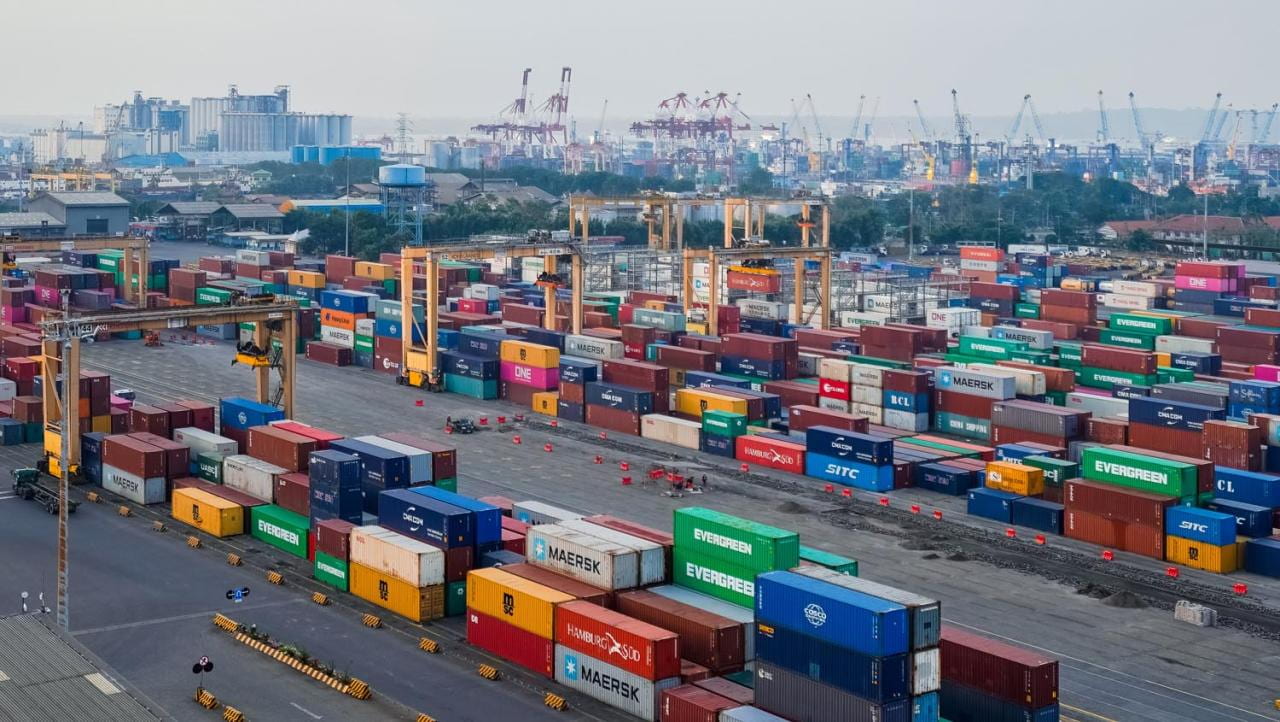
Businesses cannot wait for that debate. Shipping lines here are adjusting schedules, and European importers are negotiating contracts that assume duty-free entry from 2027. If ratification slips, those contracts reprice and nine years of accumulated goodwill takes the damage.