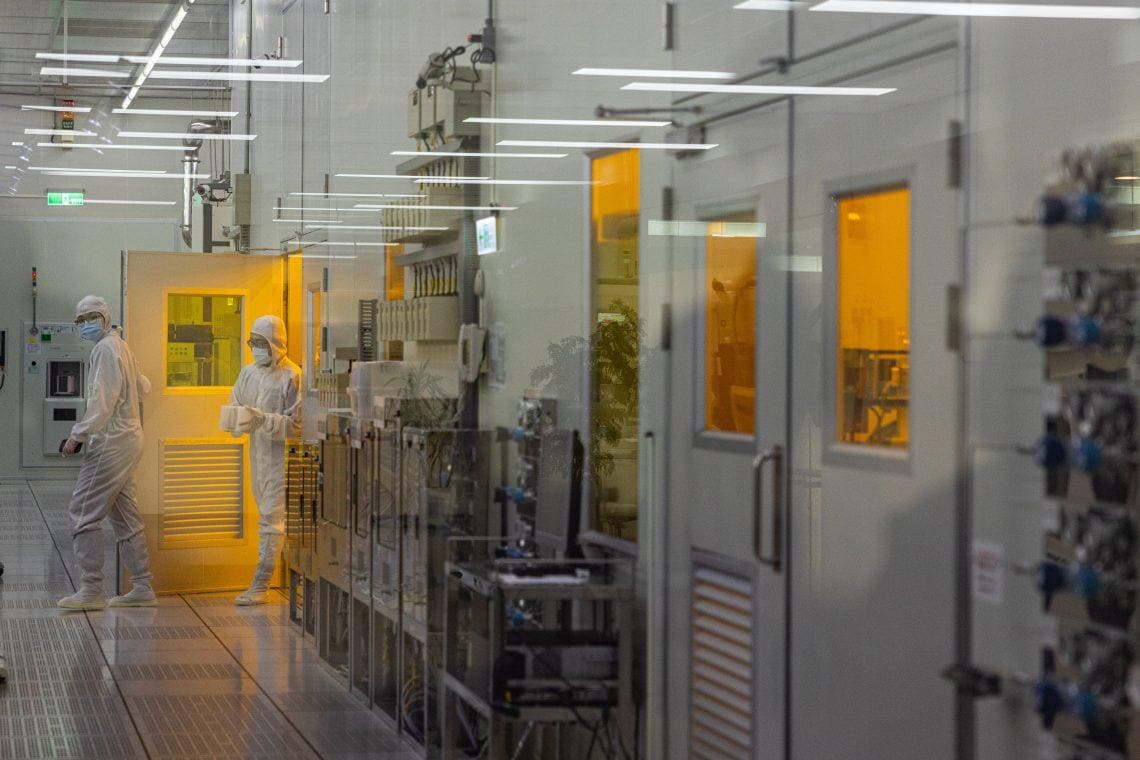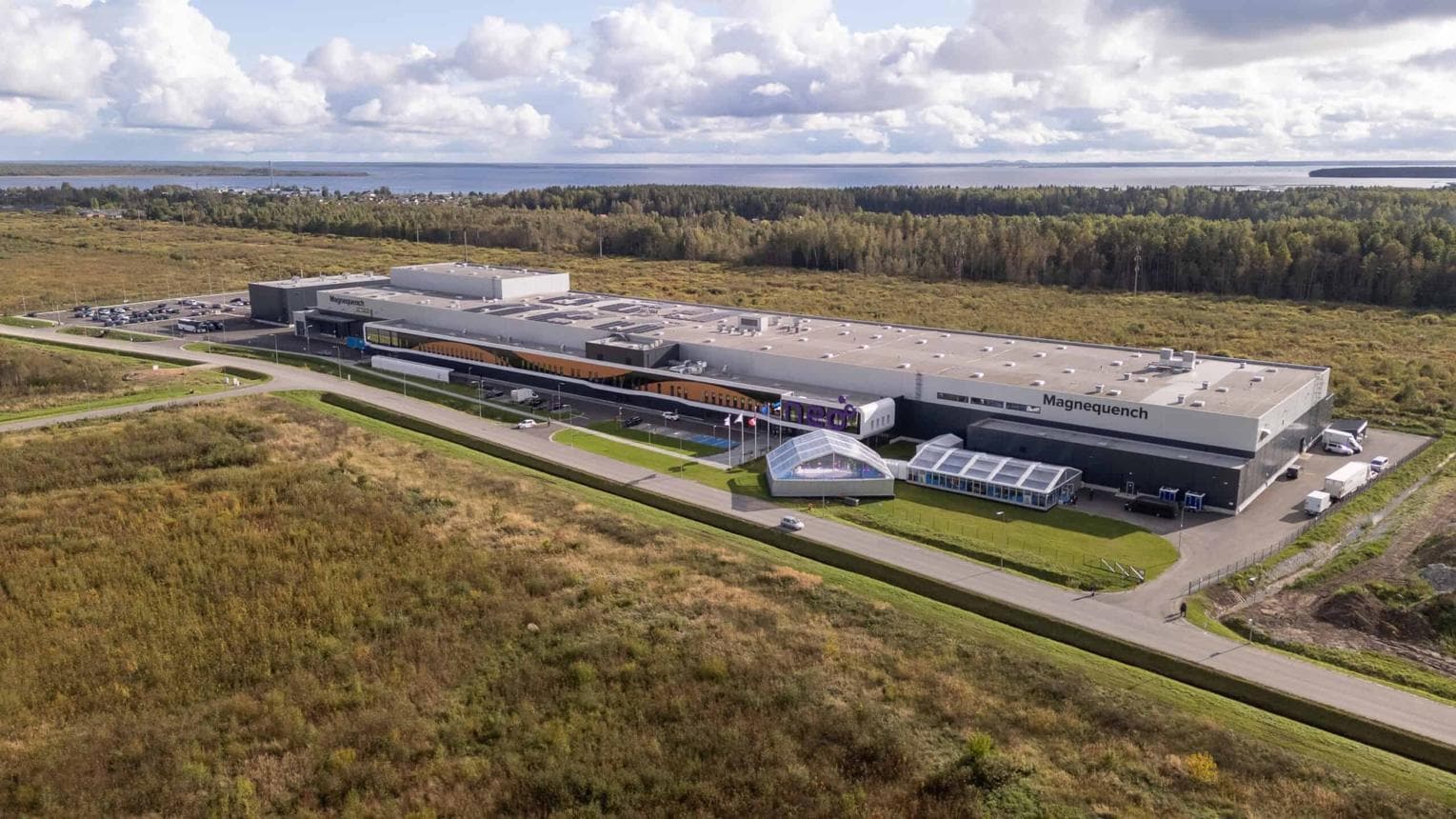
Narva: A permanent magnet plant on Estonia’s eastern edge was meant to prove that Europe could build its own rare earths supply chain, and it now runs inside a market Beijing regulates more tightly with each passing quarter.
China’s commerce ministry added fourteen European entities to its export control lists in July, barring Chinese suppliers from shipping dual-use items, including rare earth compounds and finished magnets, without specific authorisation. The listing landed only weeks after the EU-China summit produced an upgraded supply chain mechanism designed to clear exactly this kind of blockage.
Both tracks now operate at once. Maros Sefcovic and Wang Wentao agreed in Paris to prioritise licence applications from European firms through what officials call a green channel, and Chinese regulators have processed a steady flow of approvals since. Beijing restricts and facilitates in the same month, and it decides each week which of the two it emphasises.
That combination is the point rather than a contradiction. Case-by-case licensing hands Chinese authorities a running map of European industry, listing who buys which elements, in what volumes and for which end products. A tariff raises a price. A licence regime produces intelligence, and it produces leverage that can be applied selectively without any public announcement at all. European firms whose applications mention defence customers report the longest waits.
The dates matter more than the rhetoric. China imposed its first wave of controls on seven medium and heavy elements in April 2025, widened the regime that October, then suspended the second wave until 10 November 2026. European purchasing managers therefore operate under a deadline set in Beijing, and every contract signed for delivery beyond that date carries a clause nobody in Brussels wrote.
Europe’s answer runs through the Critical Raw Materials Act, which sets 2030 benchmarks for extraction, processing and recycling and caps dependence on any single third country at sixty-five percent of supply for each strategic material. The targets read well. The bottleneck they address least is separation chemistry, where China holds roughly nine tenths of global capacity and where a new European facility needs permits, offtake contracts and several years before it separates anything at commercial scale.
Some analysts read the controls as an accelerant. The restrictions have already pushed European carmakers and defence contractors to fund magnet capacity they previously judged uneconomic, and MERICS has argued the pressure opens a strategic window Europe would not have used voluntarily. The counterargument is simpler. Windows close, and Beijing can shut this one by releasing enough volume to make European projects lose their investors again.
The green channel buys European manufacturers time. It does not buy them independence, and treating administrative relief as a settlement would waste the one advantage the disruption created. Ten November is the date to watch, and the plants Europe funds before it will determine how much that day costs.