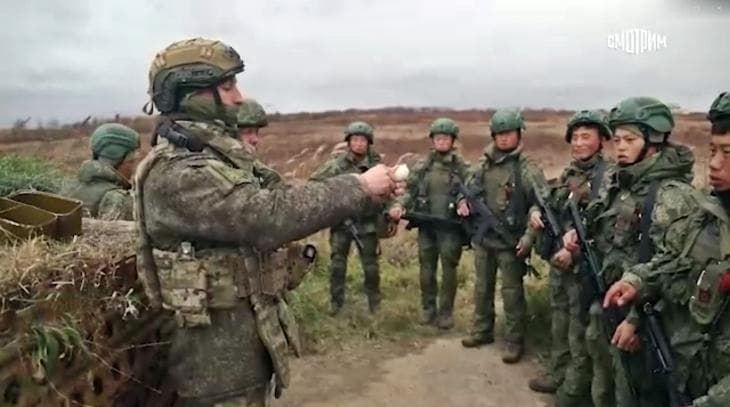
Pyongyang: Europe added another North Korean general to its sanctions list this month, and the soldiers he commands remain exactly where they were.
The listing targets an officer directing troops deployed to Russia, and it follows a pattern the EU has repeated since Pyongyang first sent personnel westward. The Union has now designated dozens of individuals and entities under its North Korea regime, layering its own measures onto a United Nations framework that lost its monitoring panel when Russia vetoed the mandate renewal.
Each designation freezes assets that mostly do not exist inside European jurisdictions and bans travel that the target had no intention of undertaking. Officials in Brussels acknowledge this privately. They argue the measures serve a different purpose, building an evidentiary record and signalling to third countries that facilitating the arrangement carries reputational cost.
That argument deserves more scrutiny than it usually receives. Sanctions signal effectively when the audience can act on the signal. Here the relevant audiences are Chinese banks, shipping registries in a handful of small jurisdictions, and Russian defence procurement entities already under comprehensive restriction. None of them reads a European listing as new information.
The deeper problem is that Europe is sanctioning the wrong direction of travel. What North Korea sends to Russia matters less than what Russia sends back. The High Representative has warned repeatedly about the possibility of nuclear or ballistic missile technology moving in the opposite direction, and Seoul shares that concern with considerably more urgency than most European capitals.
Technology transfer resists sanctions in a way that troop deployments do not. A general can be named. A design principle passed between engineers in a closed facility leaves no shipping manifest, no bank wire and no vessel to interdict. If Russia is compensating Pyongyang in knowledge rather than cash, Europe’s instruments cannot see the payment, let alone stop it.
This should reframe how Brussels thinks about the file. The strategic risk is not that North Korean infantry improves Russian battlefield performance at the margin. It is that a proliferation-sensitive state gains combat experience, hard currency and possibly missile expertise, and then applies all three on a peninsula where European forces have no presence and European leverage is close to zero.
Europe does hold assets it underuses. Its intelligence relationship with South Korea has deepened considerably, and Seoul now supplies artillery ammunition and armoured vehicles into European inventories at a scale no other partner matches. That relationship gives Brussels standing to coordinate a shared assessment of what Russia is transferring, rather than issuing designations in parallel and calling the overlap coordination.
Sanctions coordination across Washington, Brussels and Seoul has improved, with the three aligning listings of DPRK military officials. Alignment on names is the easy part. Alignment on what constitutes a red line for technology transfer, and what any of the three would actually do if that line were crossed, has not been attempted.
The honest position is that Europe lacks tools proportionate to the problem and should say so. Naming a general is not a policy toward North Korea. It is the residue of one, applied because the alternatives require capabilities Europe has not built and commitments its member states have not debated. Pretending otherwise costs credibility that Brussels will need when the transfers it fears become visible.