Piacenza: The European Commission has given trade unions and employer federations until 28 September 2026 to say what a quality jobs law must contain, after it opened the second-stage consultation on the Quality Jobs Act on 20 July. The clock matters, because the Commission still intends to table the proposal before the end of this year.
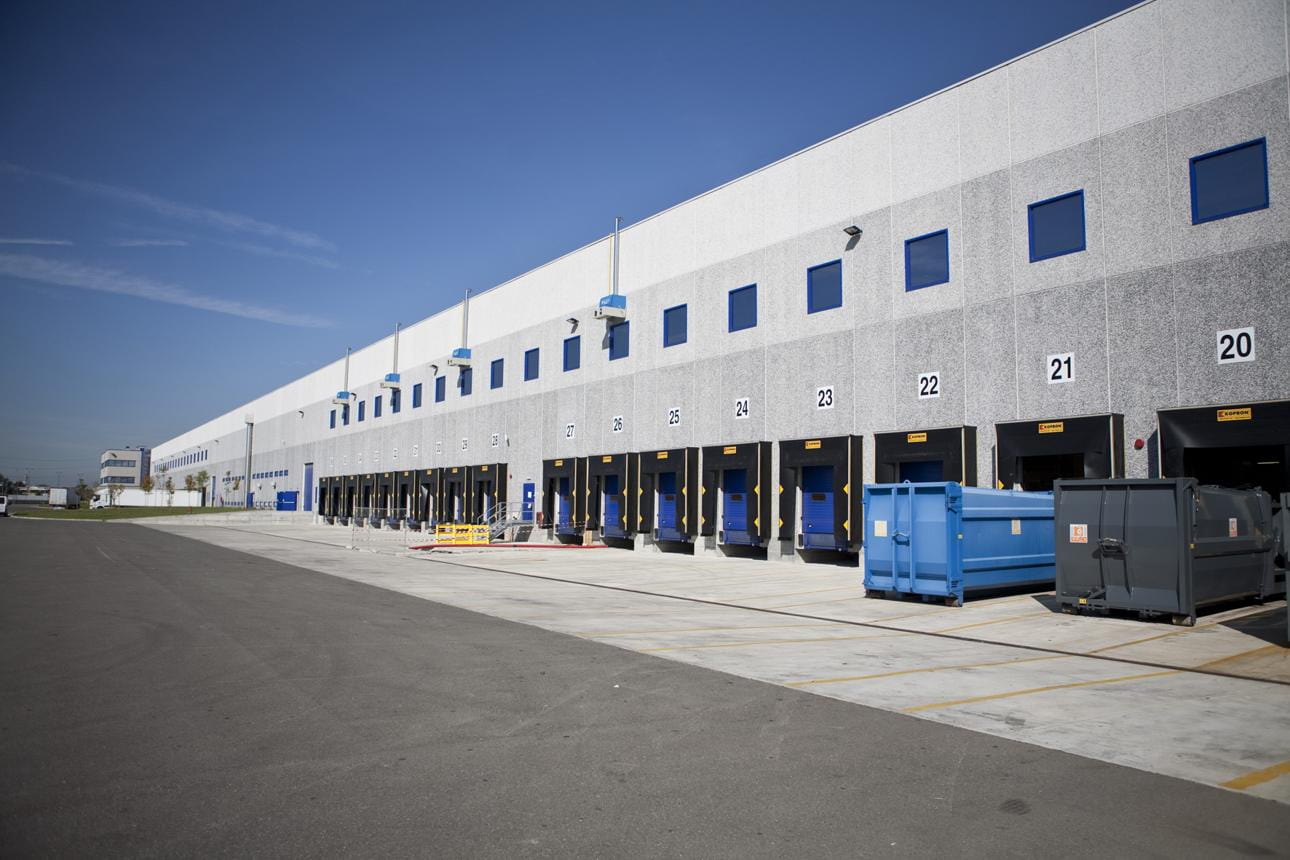
Logistics towns such as this one in northern Italy explain why the file has grown. Warehouses here run on layered subcontracting chains, and labour inspectors repeatedly find that the company on the contract is not the company that directs the work. The Commission now asks social partners whether EU law should pin liability further up those chains.
The second-stage consultation document sets out five priority areas for future EU action:
- algorithmic management and artificial intelligence at work, including limits on excessive monitoring;
- safety and health at work, covering extreme heat, psychosocial risks and sexual harassment;
- workers’ rights in subcontracting chains, with tighter transparency and liability;
- fair digital and green transitions, built around skills and social dialogue;
- enforcement, labour inspections, sanctions and the role of social partners.
Executive Vice-President Roxana Mînzatu, who holds the social rights and quality jobs portfolio, frames the exercise as a competitiveness argument rather than a purely social one.
Europe has built the strongest social model in the world. The Quality Jobs Act is about ensuring Europe remains the best place to work and live, where innovation and fairness go hand in hand.
Employers read that sentence differently from unions. BusinessEurope has warned throughout the consultation cycle that new horizontal obligations would land on firms already absorbing the pay transparency and platform work directives. The European Trade Union Confederation counters that enforcement, not drafting, is where the existing rulebook fails, and it keeps a standing position paper demanding binding rules on algorithmic management.
The procedure itself gives the two sides real leverage. Under Article 155 of the Treaty on the Functioning of the European Union, social partners may tell the Commission they wish to negotiate instead, and a joint agreement can then be turned into a Council directive. That route produced the parental leave and telework frameworks. It also stalls easily, because either side can walk away and hand the file back to Brussels.
The first-stage consultation ran from December 2025 to January 2026 and drew replies from 34 EU-level social partners, 12 trade unions and 22 employer organisations. Their split answers shaped the narrow five-point agenda the Commission has now put on the table.
President Ursula von der Leyen announced the act in her 2025 State of the Union address, tying it to the broader competitiveness push that also carries the skills and preparedness agendas. The Commission published a Quality Jobs Roadmap in December 2025 that mapped the terrain without proposing legislation.
What arrives in the autumn will therefore depend on the next six weeks. If unions and employers open negotiations, the Commission steps back and the timetable slips into 2027. If they do not, DG Employment writes the text itself, and the fight over algorithmic management and subcontracting liability moves to the Parliament and the Council instead.