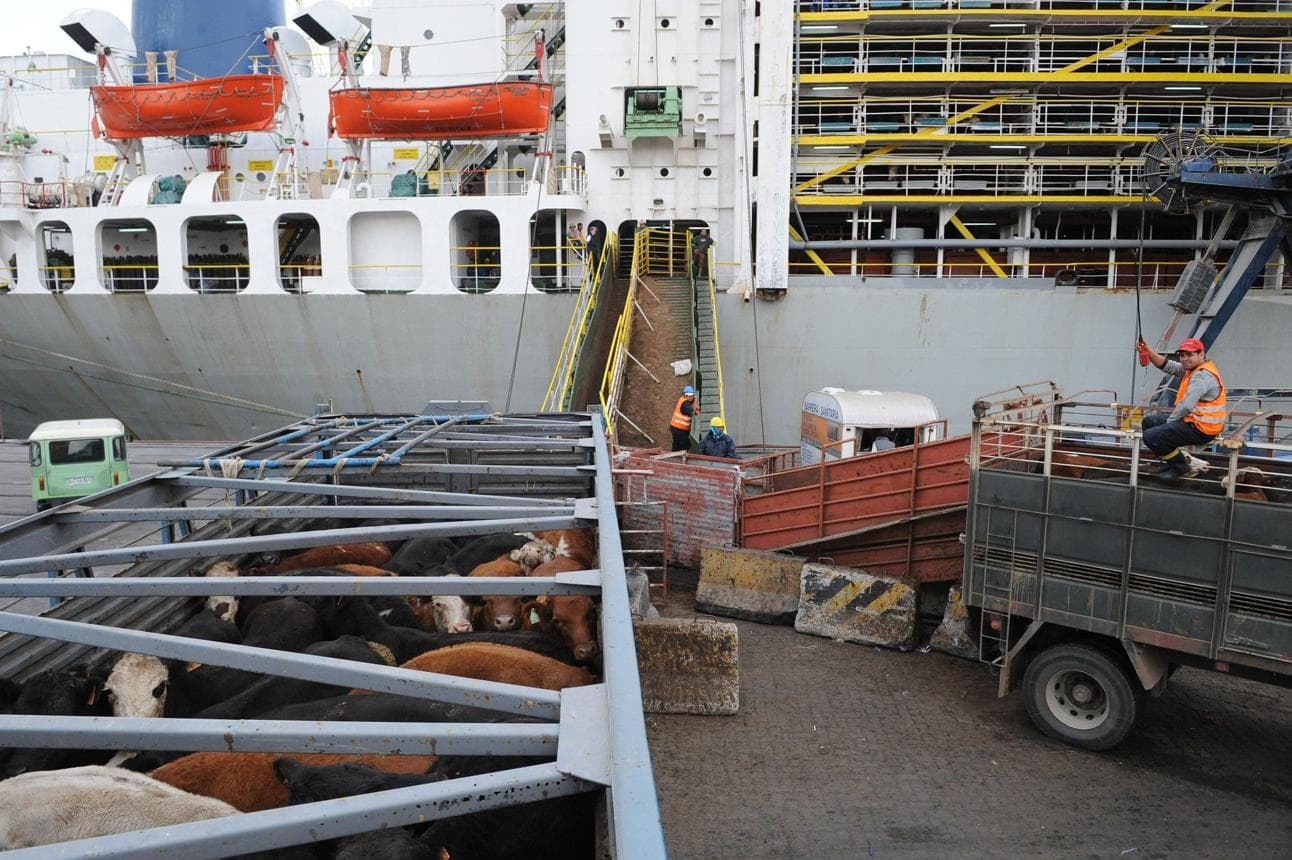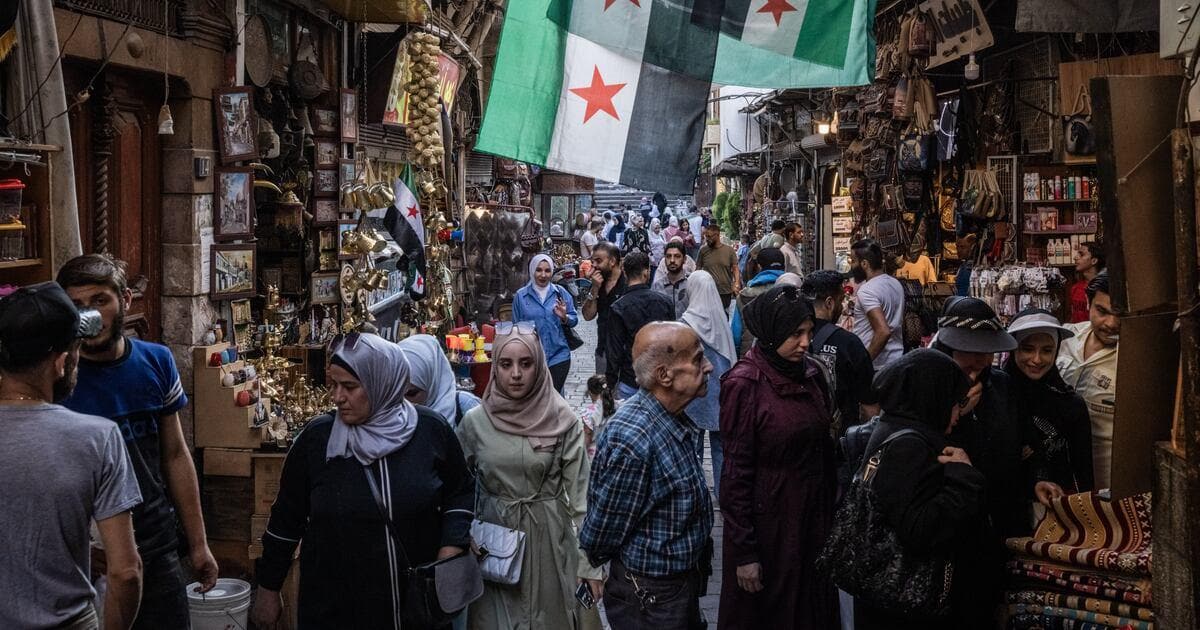
Damascus: A textile exporter in this city can now ship to Marseille under a preferential framework that has not covered Syrian goods since 2011. What that exporter cannot easily do is get paid. The gap between those two facts describes the whole of European policy toward Syria this year, and it explains why the reopening looks far more complete on paper than it does in a warehouse.
The Council restored the full application of the EU-Syria Cooperation Agreement on 11 May 2026, acting on a Commission proposal tabled on 20 April. The agreement dates from 1977 and the European Union partially suspended it fifteen years ago over the Assad government’s conduct. Its revival gives Syrian exporters tariff treatment and gives both sides a legal channel for economic dialogue that had simply ceased to exist.
Economic sanctions came off a year earlier, in May 2025. Ursula von der Leyen and Antonio Costa travelled to Damascus in January 2026 and set out three pillars for the relationship: a political partnership, an enhanced trade and economic framework, and roughly 620 million euros in support across 2026 and 2027 covering humanitarian aid, early recovery and bilateral programmes. The first high-level political dialogue followed in May.
Then, on 18 May 2026, the Council renewed the remaining Syria sanctions for another year while de-listing certain entities. Those measures target individuals and companies tied to the former regime, plus a set of security-grounded restrictions the European Union has not been willing to drop. Officials describe this as surgical. Banks reading the same list describe it as risk.
That divergence matters more than any tariff schedule. Correspondent banking decisions do not follow the letter of a restrictive measures regulation. They follow compliance departments pricing the cost of an error. A jurisdiction that still appears in an annual renewal notice, still carries designated entities, and still triggers enhanced due diligence will struggle to attract the payment infrastructure that trade preferences quietly assume. Syria has an invitation to trade before it has readmission to finance.
The 620 million euro package acknowledges this indirectly. Money routed through humanitarian channels and early recovery programmes does not need Syrian commercial banking to function, because it moves through United Nations agencies, European implementing partners and non-governmental organisations that stayed through the war. It buys electricity repairs, water systems and clinics. It does not build the credit lines a private importer needs.
European governments have also kept expectations low on the political side. The Council ties continued engagement to an inclusive transition, and member states differ sharply on how much anyone has demonstrated so far. Some capitals want the remaining measures gone within a year and read the de-listings as a template. Others treat the annual renewal as the only instrument they still hold, and they will not surrender it while the transition’s shape stays contested.
A second argument deserves serious weight, and it cuts against the reopening. Lifting economic pressure before institutions consolidate can entrench whoever controls the reconstruction contracts, and Syria’s post-conflict economy contains a great many actors who profited from the war. Critics inside the European Parliament have pressed this case since 2025. The counter-argument, which most member states now accept, holds that sanctions aimed at a government that no longer exists punish a population instead of a target.
Watch three things over the next year. Whether European banks resume correspondent relationships in any volume. Whether the trade framework the January visit promised acquires real negotiating text rather than staying an aspiration. And whether the May 2027 renewal shortens the list again or simply rolls it forward. The last of those will reveal more about European confidence in Damascus than any communique issued alongside it.