August 23, 2026
LATEST
What Seoul Must Sign Before Korean Firms Can Touch SAFE MoneyNorth Korea’s Money Moves Faster Than Europe Can List Its OwnersNew Zealand Is Still Waiting for the Pact Japan and Korea SignedFarmers Won a CAP Budget Floor and Lost the Second PillarAustralia Wants Into Horizon Europe Before the Money DoublesOcean Act Drafters Face a Deadline and Two Rival DirectivesFive Joint Defence Projects Start With 325 Million in Seed MoneyVehicle Circularity Rules Now Land on Suppliers, Not Just CarmakersArmenia Is Halfway Through a Visa Roadmap of 74 BenchmarksSyria Regained a Trade Agreement While Sanctions Remain in PlaceHeatwave Preparedness Now Needs a Law, Not Another PlanEurope’s Tobacco Tax Overhaul Now Doubles as an EU Budget FixCrypto Rules Reopened Two Years After They Took EffectETIAS Has Quietly Lost the Only Launch Date It Ever Committed ToSteel Quotas Fell 47 Percent and Buyers Are Still AdjustingWill the Space Act Survive Its Second Half of Negotiations in CouncilFishermen Want More Herring While Scientists Advise Zero CodDestroying Unsold Clothes Became Illegal and Little Has ChangedCivil Society Gets Double the Money and Loses Its ProgrammeNine Days Remain Before Restoration Plans Fall Due in BrusselsWhat Seoul Must Sign Before Korean Firms Can Touch SAFE MoneyNorth Korea’s Money Moves Faster Than Europe Can List Its OwnersNew Zealand Is Still Waiting for the Pact Japan and Korea SignedFarmers Won a CAP Budget Floor and Lost the Second PillarAustralia Wants Into Horizon Europe Before the Money DoublesOcean Act Drafters Face a Deadline and Two Rival DirectivesFive Joint Defence Projects Start With 325 Million in Seed MoneyVehicle Circularity Rules Now Land on Suppliers, Not Just CarmakersArmenia Is Halfway Through a Visa Roadmap of 74 BenchmarksSyria Regained a Trade Agreement While Sanctions Remain in PlaceHeatwave Preparedness Now Needs a Law, Not Another PlanEurope’s Tobacco Tax Overhaul Now Doubles as an EU Budget FixCrypto Rules Reopened Two Years After They Took EffectETIAS Has Quietly Lost the Only Launch Date It Ever Committed ToSteel Quotas Fell 47 Percent and Buyers Are Still AdjustingWill the Space Act Survive Its Second Half of Negotiations in CouncilFishermen Want More Herring While Scientists Advise Zero CodDestroying Unsold Clothes Became Illegal and Little Has ChangedCivil Society Gets Double the Money and Loses Its ProgrammeNine Days Remain Before Restoration Plans Fall Due in Brussels
August 23, 2026
LATEST
What Seoul Must Sign Before Korean Firms Can Touch SAFE MoneyNorth Korea’s Money Moves Faster Than Europe Can List Its OwnersNew Zealand Is Still Waiting for the Pact Japan and Korea SignedFarmers Won a CAP Budget Floor and Lost the Second PillarAustralia Wants Into Horizon Europe Before the Money DoublesOcean Act Drafters Face a Deadline and Two Rival DirectivesFive Joint Defence Projects Start With 325 Million in Seed MoneyVehicle Circularity Rules Now Land on Suppliers, Not Just CarmakersArmenia Is Halfway Through a Visa Roadmap of 74 BenchmarksSyria Regained a Trade Agreement While Sanctions Remain in PlaceHeatwave Preparedness Now Needs a Law, Not Another PlanEurope’s Tobacco Tax Overhaul Now Doubles as an EU Budget FixCrypto Rules Reopened Two Years After They Took EffectETIAS Has Quietly Lost the Only Launch Date It Ever Committed ToSteel Quotas Fell 47 Percent and Buyers Are Still AdjustingWill the Space Act Survive Its Second Half of Negotiations in CouncilFishermen Want More Herring While Scientists Advise Zero CodDestroying Unsold Clothes Became Illegal and Little Has ChangedCivil Society Gets Double the Money and Loses Its ProgrammeNine Days Remain Before Restoration Plans Fall Due in BrusselsWhat Seoul Must Sign Before Korean Firms Can Touch SAFE MoneyNorth Korea’s Money Moves Faster Than Europe Can List Its OwnersNew Zealand Is Still Waiting for the Pact Japan and Korea SignedFarmers Won a CAP Budget Floor and Lost the Second PillarAustralia Wants Into Horizon Europe Before the Money DoublesOcean Act Drafters Face a Deadline and Two Rival DirectivesFive Joint Defence Projects Start With 325 Million in Seed MoneyVehicle Circularity Rules Now Land on Suppliers, Not Just CarmakersArmenia Is Halfway Through a Visa Roadmap of 74 BenchmarksSyria Regained a Trade Agreement While Sanctions Remain in PlaceHeatwave Preparedness Now Needs a Law, Not Another PlanEurope’s Tobacco Tax Overhaul Now Doubles as an EU Budget FixCrypto Rules Reopened Two Years After They Took EffectETIAS Has Quietly Lost the Only Launch Date It Ever Committed ToSteel Quotas Fell 47 Percent and Buyers Are Still AdjustingWill the Space Act Survive Its Second Half of Negotiations in CouncilFishermen Want More Herring While Scientists Advise Zero CodDestroying Unsold Clothes Became Illegal and Little Has ChangedCivil Society Gets Double the Money and Loses Its ProgrammeNine Days Remain Before Restoration Plans Fall Due in Brussels

Destroying Unsold Clothes Became Illegal and Little Has Changed

Destroying perfectly wearable clothing stopped being a commercial decision in Europe last month and became a legal one. Since 19 July 2026, Article 25 of the Ecodesign for Sustainable Products Regulation prohibits large companies from destroying unsold apparel, clothing accessories and footwear. The obligation applies directly, without national transposition, and the Commission confirmed its entry into application the day before it took effect.

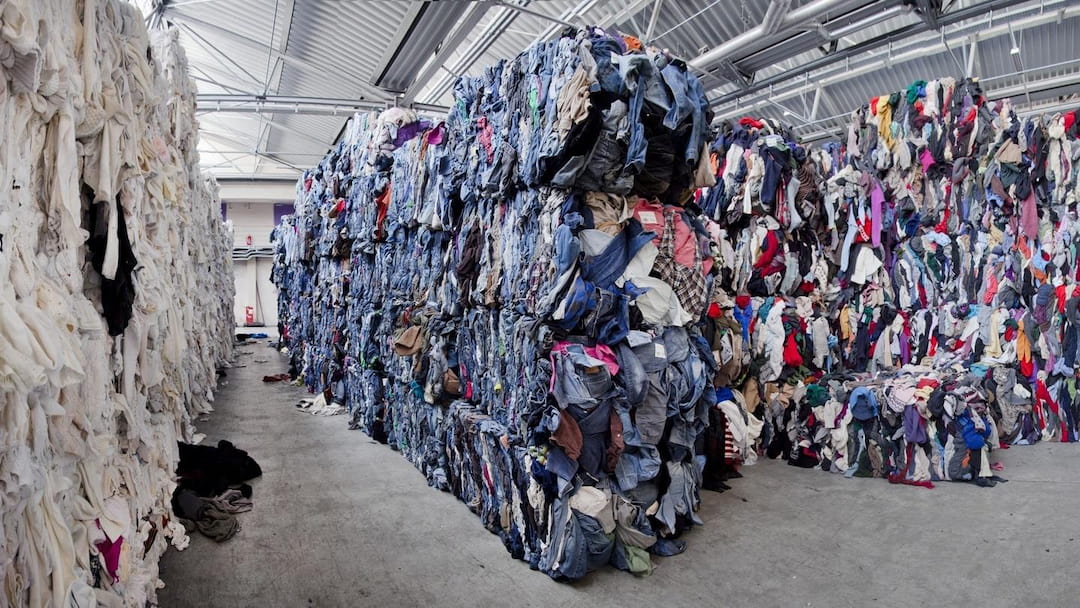
The rule targets a practice the fashion industry rarely defends in public and rarely abandons in private. Estimates cited by the Commission suggest that between 4 and 9 per cent of unsold textiles never reach a wearer, and that destroying them releases roughly 5.6 million tonnes of CO2 equivalent each year. Brands shred, incinerate or landfill stock to protect pricing, clear warehouse space or avoid customs complications on returns.

Scope does most of the work here, and it does it unevenly. Only large enterprises fall under the ban now. Medium-sized companies get until 2030. Micro and small companies stay outside it altogether, though they must still comply with the disclosure regime that runs alongside the prohibition. That staggered design means a substantial share of European fashion volume continues to operate under the old rules for another four years.

The disclosure obligation may prove more consequential than the ban itself. Covered operators must publish what they discarded, broken down by product category, quantity and weight, together with the reasons for discarding, the waste treatment applied and the prevention measures taken. Nobody previously held that data in comparable form. Once companies publish it annually, campaigners and investors can compare brands against each other rather than against a regulatory floor.

Enforcement remains the open question. National market surveillance authorities carry responsibility, and their capacity varies sharply across the single market. A ban on an act that happens inside a private warehouse, often through a contracted waste handler, resists inspection in a way that product labelling does not. Regulators will depend heavily on the paper trail the disclosure rules generate, which is why the two obligations arrived together.

Companies have also found the boundaries of the rule ambiguous. Legal advisers have spent the spring asking what counts as destruction, whether downcycling into insulation qualifies, and how the ban interacts with customs procedures for goods that never cleared into free circulation. The Commission has issued clarifications, and more will follow as the first compliance year generates disputes.

Behind the destruction ban sits the larger architecture the same regulation created. Textiles will carry Digital Product Passports, with the delegated act setting the requirements expected around late 2026 or early 2027 and application likely in 2027. The Commission also had to establish a registry storing the unique identifiers behind those passports by 19 July 2026, the same date the destruction ban began.

Read together, the two measures point in one direction. A brand that must publish what it throws away, and that must attach a traceable identifier to every garment it sells, loses the ability to treat overproduction as an invisible cost. The circular economy platform frames this as a shift from waste management to design discipline.

Whether it changes behaviour depends on how many garments the exempted tiers account for, and on how seriously twenty-seven surveillance authorities take a rule that produces no visible product defect when someone breaks it.