August 23, 2026
LATEST
What Seoul Must Sign Before Korean Firms Can Touch SAFE MoneyNorth Korea’s Money Moves Faster Than Europe Can List Its OwnersNew Zealand Is Still Waiting for the Pact Japan and Korea SignedFarmers Won a CAP Budget Floor and Lost the Second PillarAustralia Wants Into Horizon Europe Before the Money DoublesOcean Act Drafters Face a Deadline and Two Rival DirectivesFive Joint Defence Projects Start With 325 Million in Seed MoneyVehicle Circularity Rules Now Land on Suppliers, Not Just CarmakersArmenia Is Halfway Through a Visa Roadmap of 74 BenchmarksSyria Regained a Trade Agreement While Sanctions Remain in PlaceHeatwave Preparedness Now Needs a Law, Not Another PlanEurope’s Tobacco Tax Overhaul Now Doubles as an EU Budget FixCrypto Rules Reopened Two Years After They Took EffectETIAS Has Quietly Lost the Only Launch Date It Ever Committed ToSteel Quotas Fell 47 Percent and Buyers Are Still AdjustingWill the Space Act Survive Its Second Half of Negotiations in CouncilFishermen Want More Herring While Scientists Advise Zero CodDestroying Unsold Clothes Became Illegal and Little Has ChangedCivil Society Gets Double the Money and Loses Its ProgrammeNine Days Remain Before Restoration Plans Fall Due in BrusselsWhat Seoul Must Sign Before Korean Firms Can Touch SAFE MoneyNorth Korea’s Money Moves Faster Than Europe Can List Its OwnersNew Zealand Is Still Waiting for the Pact Japan and Korea SignedFarmers Won a CAP Budget Floor and Lost the Second PillarAustralia Wants Into Horizon Europe Before the Money DoublesOcean Act Drafters Face a Deadline and Two Rival DirectivesFive Joint Defence Projects Start With 325 Million in Seed MoneyVehicle Circularity Rules Now Land on Suppliers, Not Just CarmakersArmenia Is Halfway Through a Visa Roadmap of 74 BenchmarksSyria Regained a Trade Agreement While Sanctions Remain in PlaceHeatwave Preparedness Now Needs a Law, Not Another PlanEurope’s Tobacco Tax Overhaul Now Doubles as an EU Budget FixCrypto Rules Reopened Two Years After They Took EffectETIAS Has Quietly Lost the Only Launch Date It Ever Committed ToSteel Quotas Fell 47 Percent and Buyers Are Still AdjustingWill the Space Act Survive Its Second Half of Negotiations in CouncilFishermen Want More Herring While Scientists Advise Zero CodDestroying Unsold Clothes Became Illegal and Little Has ChangedCivil Society Gets Double the Money and Loses Its ProgrammeNine Days Remain Before Restoration Plans Fall Due in Brussels
August 23, 2026
LATEST
What Seoul Must Sign Before Korean Firms Can Touch SAFE MoneyNorth Korea’s Money Moves Faster Than Europe Can List Its OwnersNew Zealand Is Still Waiting for the Pact Japan and Korea SignedFarmers Won a CAP Budget Floor and Lost the Second PillarAustralia Wants Into Horizon Europe Before the Money DoublesOcean Act Drafters Face a Deadline and Two Rival DirectivesFive Joint Defence Projects Start With 325 Million in Seed MoneyVehicle Circularity Rules Now Land on Suppliers, Not Just CarmakersArmenia Is Halfway Through a Visa Roadmap of 74 BenchmarksSyria Regained a Trade Agreement While Sanctions Remain in PlaceHeatwave Preparedness Now Needs a Law, Not Another PlanEurope’s Tobacco Tax Overhaul Now Doubles as an EU Budget FixCrypto Rules Reopened Two Years After They Took EffectETIAS Has Quietly Lost the Only Launch Date It Ever Committed ToSteel Quotas Fell 47 Percent and Buyers Are Still AdjustingWill the Space Act Survive Its Second Half of Negotiations in CouncilFishermen Want More Herring While Scientists Advise Zero CodDestroying Unsold Clothes Became Illegal and Little Has ChangedCivil Society Gets Double the Money and Loses Its ProgrammeNine Days Remain Before Restoration Plans Fall Due in BrusselsWhat Seoul Must Sign Before Korean Firms Can Touch SAFE MoneyNorth Korea’s Money Moves Faster Than Europe Can List Its OwnersNew Zealand Is Still Waiting for the Pact Japan and Korea SignedFarmers Won a CAP Budget Floor and Lost the Second PillarAustralia Wants Into Horizon Europe Before the Money DoublesOcean Act Drafters Face a Deadline and Two Rival DirectivesFive Joint Defence Projects Start With 325 Million in Seed MoneyVehicle Circularity Rules Now Land on Suppliers, Not Just CarmakersArmenia Is Halfway Through a Visa Roadmap of 74 BenchmarksSyria Regained a Trade Agreement While Sanctions Remain in PlaceHeatwave Preparedness Now Needs a Law, Not Another PlanEurope’s Tobacco Tax Overhaul Now Doubles as an EU Budget FixCrypto Rules Reopened Two Years After They Took EffectETIAS Has Quietly Lost the Only Launch Date It Ever Committed ToSteel Quotas Fell 47 Percent and Buyers Are Still AdjustingWill the Space Act Survive Its Second Half of Negotiations in CouncilFishermen Want More Herring While Scientists Advise Zero CodDestroying Unsold Clothes Became Illegal and Little Has ChangedCivil Society Gets Double the Money and Loses Its ProgrammeNine Days Remain Before Restoration Plans Fall Due in Brussels

ETIAS Has Quietly Lost the Only Launch Date It Ever Committed To

Tallinn: The agency that builds Europe’s border systems has quietly stopped promising a start date for ETIAS, and the disappearance of that date reveals more about EU border technology than any official statement has.

ETIAS, the European Travel Information and Authorisation System, will require visa-exempt travellers from roughly 60 countries to obtain an online authorisation before arriving. Regulation (EU) 2018/1240, published on EUR-Lex, created it eight years ago, and the launch has slipped repeatedly since. The most recent target was the final quarter of 2026.

That target is gone. As of July 2026 the official information no longer names a year, saying instead that the European Union will announce a start date several months before the system goes live. The EEAS guidance for visa-free travellers now carries the same open-ended phrasing. Reporting on eu-LISA’s internal assessment indicates the agency no longer treats 2026 as feasible and expects 2027.

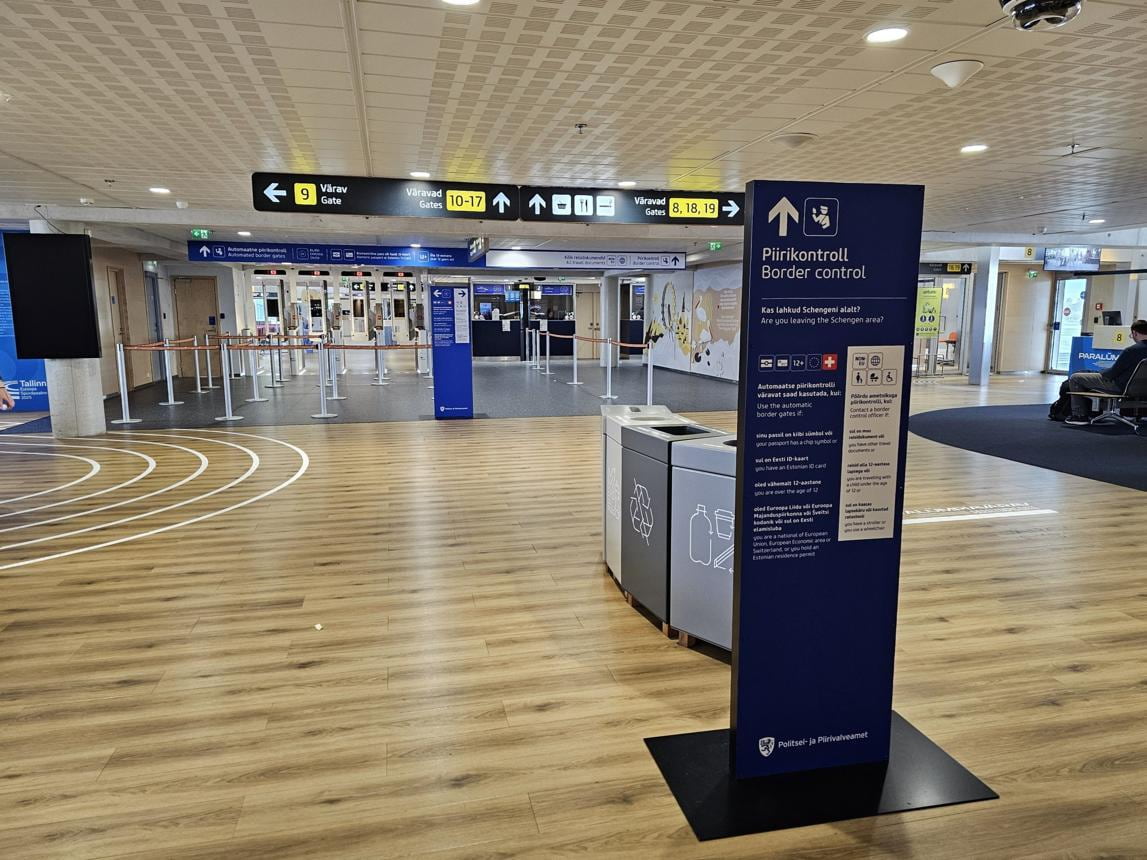
The sequencing explains much of it. ETIAS cannot start until the Entry/Exit System runs everywhere, because the two share infrastructure and both depend on biometric records taken at the external border. EES began a progressive rollout on 12 October 2025 and reached full operation across the Schengen area in April 2026, after member states insisted on a phased approach precisely because a single switch-on looked too risky.

Phasing worked, in the sense that airports did not collapse. It also consumed the calendar. National authorities that spent 180 days bedding in one system have limited appetite to absorb a second immediately, and eu-LISA must certify member state connections one by one rather than in a block.

The practical consequences fall unevenly. Airlines and ferry operators have to build ETIAS status checks into boarding processes, and every delay leaves that investment idle. Travel industry bodies have asked repeatedly for a firm date so they can schedule the work, and the absence of one imposes a real cost rather than a rhetorical grievance.

Travellers, meanwhile, need do nothing. No application exists to submit and no fee falls due until the system opens, which matters because commercial sites have sold ETIAS preparation services for years against a date that keeps moving. The Commission has warned repeatedly that the authorisation, when it arrives, will cost 20 euros and will be obtainable only through official channels.

There is a fair case for the delay. A border authorisation system that wrongly refuses travellers, or that fails at scale during a summer peak, would damage confidence in the whole architecture far more than another year of waiting. Officials who watched both the Schengen Information System and EES slip know that a working system late is politically survivable, and a broken system on time is not.

The less comfortable reading is that the bloc has now spent eight years building a permission slip. ETIAS was conceived as a light-touch pre-screening tool rather than a visa, and the gap between that ambition and the delivery record raises fair questions about how the EU procures and integrates large border systems.

Either way, the next signal to watch is not a launch. It is the announcement of an announcement, several months ahead, which remains the only commitment anyone in Brussels or Tallinn currently offers about ETIAS.