The European Commission has confirmed that a heatwave preparedness package will land in the second half of 2026, and that it will carry a legal proposal rather than another set of voluntary recommendations. Crisis Management Commissioner Hadja Lahbib set out the plan in a written answer to a parliamentary question, telling MEPs that the executive is “exploring further heatwave preparedness actions to complement Member State efforts.”
That sentence does a lot of work. Heat has never had its own instrument in the Union’s civil protection toolbox, which grew up around floods, forest fires and earthquakes. Heatwave preparedness has instead been left to national health ministries, municipal cooling plans and the annual reflex of opening public buildings when the mercury climbs.
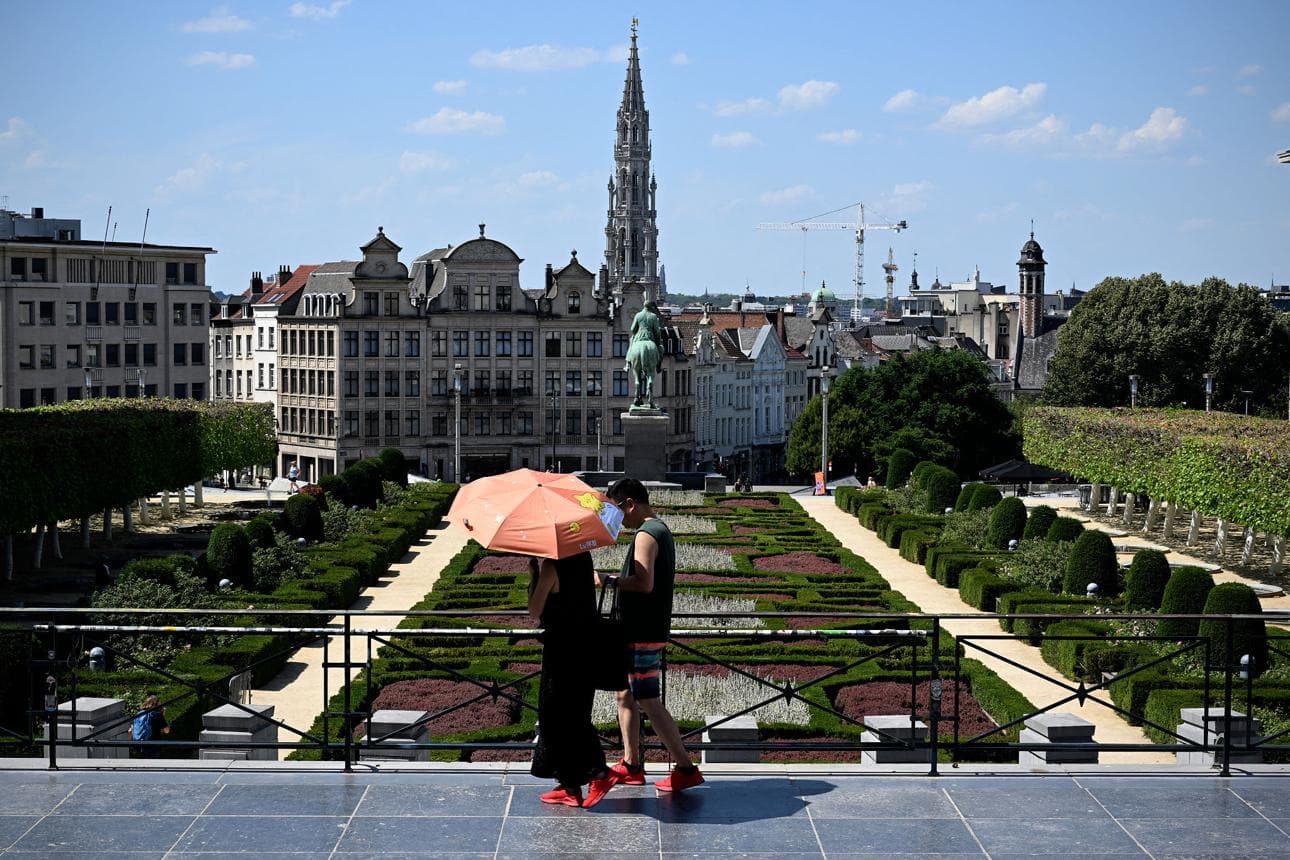
The June 2026 heatwave broke that arrangement. Excess mortality estimates put the death toll across Europe at roughly 3,500 people, concentrated among the elderly and in dense urban cores where night-time temperatures never dropped far enough for bodies to recover. Nobody dispatched a rescue helicopter, and no Member State triggered the Union Civil Protection Mechanism. The emergency was invisible to the machinery built to detect emergencies.
Lahbib has tied the coming package to a broader Integrated Framework for Climate Response and Risk Management in Europe, which the Commission is drafting to help capitals anticipate climate impacts instead of reacting to them. A separate proposed regulation would couple a reformed Union Civil Protection Mechanism with EU support for health emergency preparedness, stitching together two systems that currently speak different administrative languages. Heat sits exactly on the seam between them.
The hard question is what a legal proposal can actually oblige governments to do. Public health remains a national competence, and the Union cannot instruct a mayor to open cooling centres or a hospital to change triage thresholds. What Brussels can plausibly require is machinery: harmonised heat-health warning thresholds, mandatory national heat action plans with review cycles, comparable mortality reporting so that excess deaths surface within weeks rather than months, and eligibility rules that let civil protection financing cover heat the way it covers floods.
Employers may feel the change first. Occupational heat exposure sits under existing workplace safety law, and unions across southern Europe have spent two summers pressing for binding maximum working temperatures. A Commission text that names heat as a preparedness risk gives that campaign a legislative vehicle it has lacked.
Timing is the practical constraint. A proposal tabled in late autumn enters a Parliament and Council calendar already crowded with the next long-term budget, and ordinary legislative procedure rarely delivers in under eighteen months. Even an efficient file would not bind anyone before the summer of 2028. Two more heat seasons will pass under the current patchwork.
Critics of further legislation make a reasonable point. Member States already publish heat plans, the World Health Organization has issued guidance for years, and the binding constraint is money for retrofitting housing and shading streets rather than another reporting duty. Adding a Brussels layer risks producing documents instead of shade.
The counterargument is that comparability is itself a public good. Europe currently cannot say with confidence how many people heat killed last month, because Member States count differently and report late. Legislation that fixes the counting would at least let the Union argue about the right things. You can read the Commission’s response to Parliament via reporting on Lahbib’s answer and follow the portfolio at the Commissioner’s official page.
Watch for the package in the Commission’s autumn agenda, and watch whether the legal proposal names thresholds or merely names the problem. That distinction will decide whether heatwave preparedness becomes a policy or stays a press release.