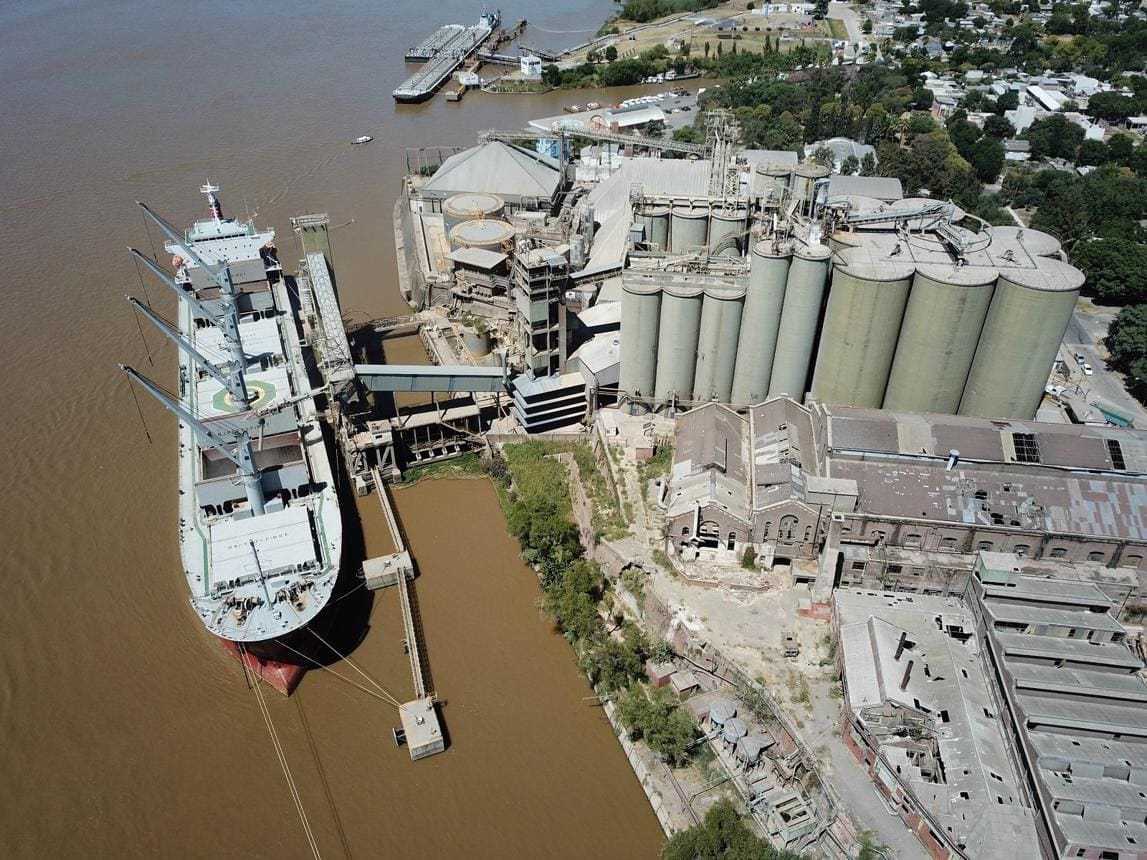
Rosario: The beef and grain terminals along the Paraná have been loading for Europe under new tariff lines since 1 May, when the interim trade agreement between the European Union and Mercosur started to apply provisionally. Exporters here treat that as settled commercial fact. In Brussels the same agreement is, in strict legal terms, unfinished.
The gap between those two realities is the most instructive thing about the deal this summer. The Council cleared signature in January. The four Mercosur states finished their own ratifications by 17 March, when Paraguay became the last to complete the process. The Commission then switched the trade pillar on without waiting for the European Parliament, using the provisional application route that EU trade law reserves for areas of exclusive competence.
Parliament had already moved in the other direction. On 21 January it asked the Court of Justice for an opinion on whether the texts sit comfortably with the Treaties, a step that freezes its consent procedure for roughly sixteen to eighteen months. So the tariffs fall while the judges read. Traders adjust their contracts and legislators wait.
European farm groups spent six years arguing that this moment would arrive without adequate protection. They did not entirely lose that argument. Alongside the trade text, the EU applies a dedicated safeguard regulation covering beef, poultry, sugar, ethanol, honey and rice, and it lets Brussels suspend preferences if imports surge and threaten serious injury to domestic producers. The bilateral safeguard clause inside the agreement does similar work.
The practical question is whether any of that machinery will fire. Safeguards demand evidence of injury, and evidence takes time to assemble. Quotas phase in gradually rather than opening at full volume, which smooths the import curve and makes a demonstrable surge harder to prove in the first seasons. Farmers expecting an early intervention may find the instrument moves more slowly than the politics that produced it.
Look past the headline and the asymmetry becomes clear. Europe removes duties on 92 percent of Mercosur imports and grants preferential access to a further 7.5 percent through quotas, staged across as much as a decade. South American exporters gain scale in a wealthy market. European industrial exporters gain a bloc that has long kept car and machinery tariffs high. Agriculture absorbs most of the adjustment cost on the European side, which explains where the political fight concentrated.
The Court’s opinion still matters, and not only to lawyers. If the judges fault how competences were split between the interim trade agreement and the wider partnership text, the Commission’s sequencing will look reckless in retrospect. If they clear it, Brussels acquires a template for pushing future deals into force while parliamentary scrutiny runs behind. Either outcome shapes how the next agreement with India, Indonesia or the Gulf reaches the statute book.
Ranchers in Santa Fe province are not waiting for that ruling, and neither are the machinery firms in Baden-Württemberg counting new Brazilian orders. Institutions usually catch up with commerce. The interesting part is how much commerce happens first. The applied schedule sits with the Commission trade service, and the Council explains its signature decision on the Council website.