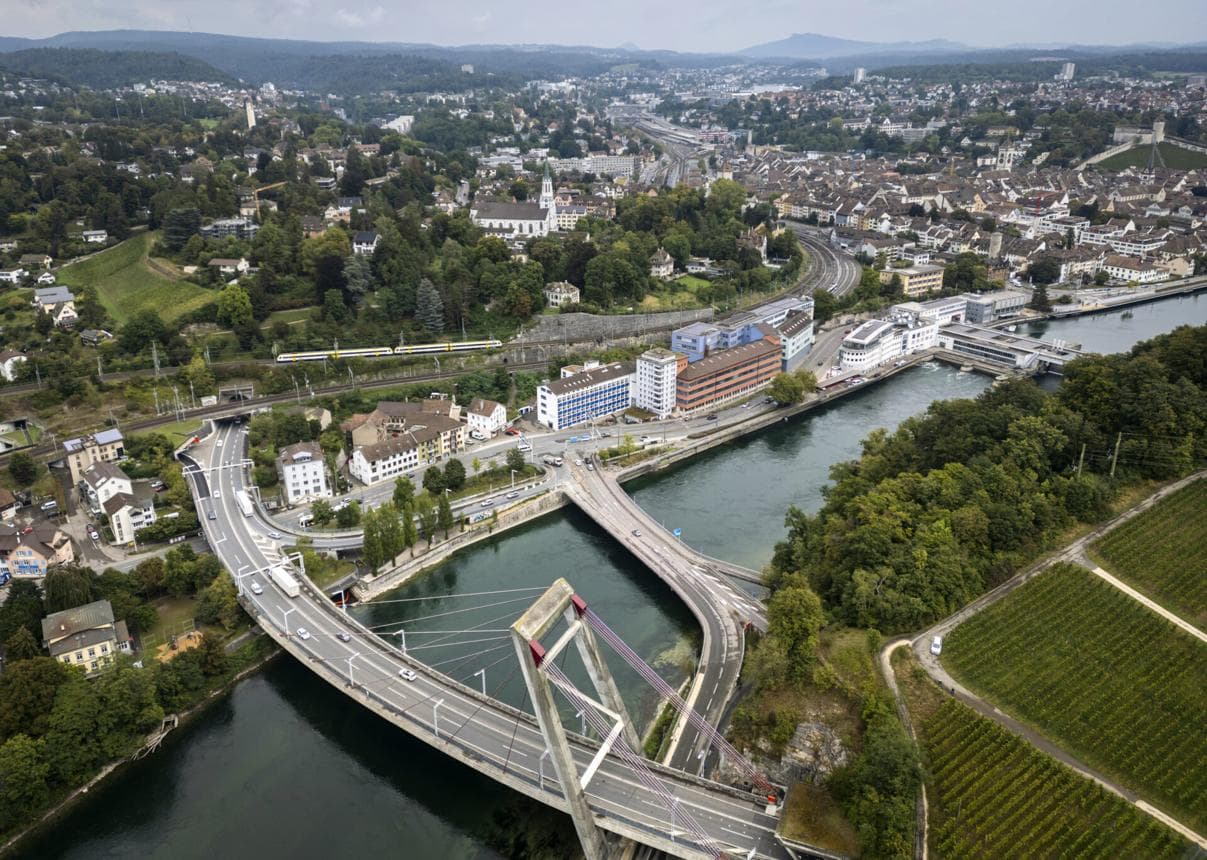
Schaffhausen: This canton sits north of the Rhine with German territory wrapped around most of its border, and the people who cross that line for work each morning now carry a procedural question that the rest of Europe has barely noticed. Switzerland and the European Union signed a package of agreements this spring. Whether it survives depends less on what it contains than on which kind of Swiss referendum it faces.
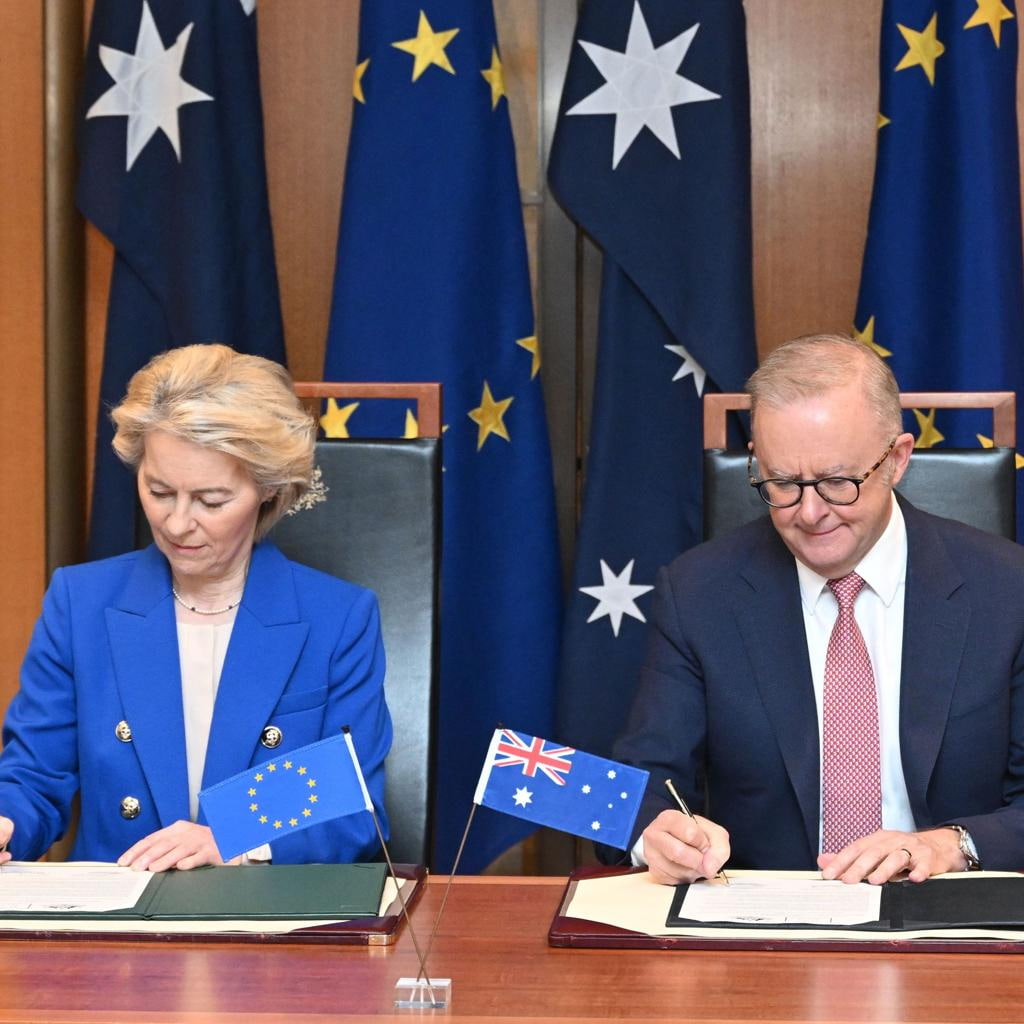
Negotiators launched the talks in March 2024 and closed them that December. Ursula von der Leyen and Guy Parmelin signed the result, and the Federal Council adopted its dispatch to parliament on 13 March 2026. Bilaterals III updates free movement, adds agreements on electricity, food safety and health, introduces state aid disciplines and builds a dispute settlement track in which the Court of Justice interprets EU law before an arbitral panel decides.
The Federal Council decided on 30 April 2025 that the package should face an optional referendum, and it confirmed that position in March. An optional referendum needs 50 000 signatures to trigger and then a simple majority of voters. On 12 August 2026 the government adopted its statement on a parliamentary initiative from the Council of States political institutions committee, which wants a transitional constitutional provision making the package subject to a mandatory referendum instead.
The distinction sounds technical and decides the outcome. A mandatory referendum requires a double majority, of voters and of cantons. Appenzell Innerrhoden counts the same as Zurich in that second tally, and the small rural cantons lean more sceptical of institutional ties to Brussels. A package that wins 54 percent of the popular vote could still fail on the cantonal count.
Both camps have a serious case. Supporters of the higher bar argue that a treaty involving dynamic legal alignment and a role for a foreign court touches constitutional substance, and that a bare majority should not carry it. Opponents reply that the constitution lists mandatory referendum cases exhaustively, and that writing a one-off provision for a single treaty invites the same manoeuvre against the next one. Fifteen of twenty-six cantons backed the optional route during the consultation, which suggests cantonal governments and cantonal electorates are not the same constituency.
Parliament will settle the question, and a popular vote is expected in 2027, ahead of the October federal elections. Campaigning on Europe during an election year rarely improves the arithmetic for either side.
Brussels waits with few options. The Council must ratify and the European Parliament must give consent, work pencilled in for the autumn, but the EU cannot apply the package before Switzerland finishes its own process. The alternative to ratification is not the status quo. The existing bilateral agreements were built to be updated, and the mutual recognition arrangement for industrial goods has already narrowed as EU rules moved on without matching Swiss annexes. Medical device makers discovered that in 2021 and rerouted certification through the Union.
That slow erosion is the strongest argument the package has, and it makes a poor campaign slogan. Voters respond to what a treaty adds, not to what standing still quietly costs. Switzerland ranks among the Union’s largest trading partners and hosts research infrastructure, pharmaceutical plants and financial plumbing that neither side finds easy to downgrade. The next twelve months will show whether a committee vote in Bern can decide all of that.