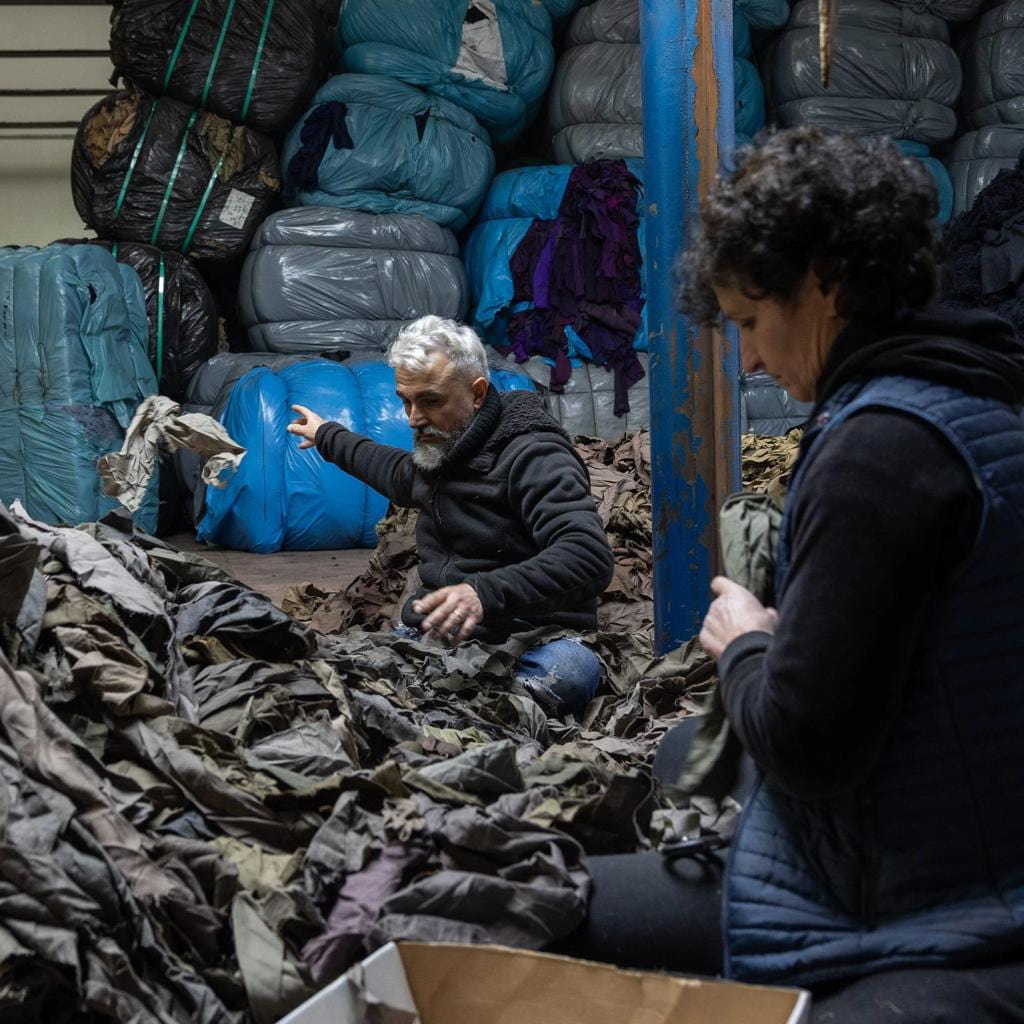
Prato: Anyone reading the European Anti-Fraud Office’s casework from the first half of 2026 finds something unexpected. The dominant theme is not misspent grants. It is rubbish.
In June, OLAF helped Italian and Turkish authorities trace consignments of textile waste shipped from Italy to Turkey to escape European recycling rules on non-biodegradable fibres. Inspectors joined Turkish on-the-spot checks and found further stockpiles in warehouses. In May, the office supported Italian investigators closing an operation named Coals of the Alps, which dismantled a network that turned ash laced with toxic material into charcoal sold for barbecue briquettes, fertiliser and concrete. In February, Albanian customs stopped a shipment bound for Thailand after OLAF flagged steel-industry residue declared as ordinary iron oxide.
None of this looks like the anti-fraud office of institutional memory, the body that audits cohesion projects and asks why a training centre has no trainees. The shift is deliberate. The 2024 Waste Shipment Regulation gave OLAF an explicit role in illegal shipments, and the office has used it.
The logic holds up. Waste crime works through customs declarations, and OLAF already reads customs data across the whole union. Reclassifying a hazardous residue as a harmless industrial input is a documentary offence before it becomes an environmental one. The analysts who spot false transit declarations on textiles can spot false declarations on ash using the same tools.
Those tools produced results elsewhere too. A Polish and Spanish operation in May uncovered Chinese textiles declared as transiting the union while never leaving it, and Polish customs seized three containers holding nearly 70,000 kilograms of goods. An April case traced roughly 118 million euro in evaded customs duties and 79 million in unpaid VAT through a scheme running goods across the Polish-Belarusian border. A January investigation found more than 760 used vehicles declared for Turkey and other third countries while heading to Russia.
The pattern connects them. Each case turns on a gap between what a document says and where goods actually go, and each depends on somebody comparing datasets that national authorities hold separately. That comparison is the office’s real product, and it explains why environmental enforcement drifted toward a fraud investigator.
It also exposes a limit. OLAF issues recommendations. It cannot prosecute, and national follow-through varies widely. The half-year record lists operations, not convictions, and the distance between the two is where much of the office’s frustration lives.
Environmental ministries have not fully absorbed the change. Waste policy debates still treat enforcement as a national inspectorate question. The evidence from this year suggests the decisive checks happen at customs desks, reading paperwork nobody in the environment council has seen.