September 22, 2026
LATEST
One Ticket Promise Meets Its First Real Test Inside the CouncilCyprus Judge Takes Over a General Court Still Absorbing CasesSkills Portability Act Sets Five Weeks as the New Recognition LimitIreland Reopens the Digital Omnibus With Cookies Back in PlayMinisters Weigh the Long-Term Budget Before a Negotiating BoxSocial Partners Have One Week Left to Shape the Quality Jobs ActPhuket Round Decides Whether Thailand Closes Its Deal This YearSyria’s Banks Reconnect While Europe’s Risk Premium Stays PutMercosur’s First Health Ban Tests a Deal Still Being RatifiedBudget Performance Regulation Slips Toward a 2027 VotePontes Digital Euro Platform Goes Live for 13 BanksEU Arctic Drilling Ban Survives Norway’s Lobbying PushPrivacy Watchdog Wants Tighter Limits on Eurojust’s New DatabasesScrutiny Board Sends Europe’s Circular Economy Act Back for ReworkLow-LEO Studies Open the Next Chapter for Europe’s IRIS2 PlanFour Indo-Pacific Partners Join Europe’s Ministers in New YorkWildfire Season Closes Above Average as the rescEU Fleet GrowsQuality Education Roadmap Lands in November With Three FrontsPartnership Plans Recast Cohesion Policy Before Anyone VotesHandling Fee on Small Parcels Must Be Ready by 1 November 2026One Ticket Promise Meets Its First Real Test Inside the CouncilCyprus Judge Takes Over a General Court Still Absorbing CasesSkills Portability Act Sets Five Weeks as the New Recognition LimitIreland Reopens the Digital Omnibus With Cookies Back in PlayMinisters Weigh the Long-Term Budget Before a Negotiating BoxSocial Partners Have One Week Left to Shape the Quality Jobs ActPhuket Round Decides Whether Thailand Closes Its Deal This YearSyria’s Banks Reconnect While Europe’s Risk Premium Stays PutMercosur’s First Health Ban Tests a Deal Still Being RatifiedBudget Performance Regulation Slips Toward a 2027 VotePontes Digital Euro Platform Goes Live for 13 BanksEU Arctic Drilling Ban Survives Norway’s Lobbying PushPrivacy Watchdog Wants Tighter Limits on Eurojust’s New DatabasesScrutiny Board Sends Europe’s Circular Economy Act Back for ReworkLow-LEO Studies Open the Next Chapter for Europe’s IRIS2 PlanFour Indo-Pacific Partners Join Europe’s Ministers in New YorkWildfire Season Closes Above Average as the rescEU Fleet GrowsQuality Education Roadmap Lands in November With Three FrontsPartnership Plans Recast Cohesion Policy Before Anyone VotesHandling Fee on Small Parcels Must Be Ready by 1 November 2026
September 22, 2026
LATEST
One Ticket Promise Meets Its First Real Test Inside the CouncilCyprus Judge Takes Over a General Court Still Absorbing CasesSkills Portability Act Sets Five Weeks as the New Recognition LimitIreland Reopens the Digital Omnibus With Cookies Back in PlayMinisters Weigh the Long-Term Budget Before a Negotiating BoxSocial Partners Have One Week Left to Shape the Quality Jobs ActPhuket Round Decides Whether Thailand Closes Its Deal This YearSyria’s Banks Reconnect While Europe’s Risk Premium Stays PutMercosur’s First Health Ban Tests a Deal Still Being RatifiedBudget Performance Regulation Slips Toward a 2027 VotePontes Digital Euro Platform Goes Live for 13 BanksEU Arctic Drilling Ban Survives Norway’s Lobbying PushPrivacy Watchdog Wants Tighter Limits on Eurojust’s New DatabasesScrutiny Board Sends Europe’s Circular Economy Act Back for ReworkLow-LEO Studies Open the Next Chapter for Europe’s IRIS2 PlanFour Indo-Pacific Partners Join Europe’s Ministers in New YorkWildfire Season Closes Above Average as the rescEU Fleet GrowsQuality Education Roadmap Lands in November With Three FrontsPartnership Plans Recast Cohesion Policy Before Anyone VotesHandling Fee on Small Parcels Must Be Ready by 1 November 2026One Ticket Promise Meets Its First Real Test Inside the CouncilCyprus Judge Takes Over a General Court Still Absorbing CasesSkills Portability Act Sets Five Weeks as the New Recognition LimitIreland Reopens the Digital Omnibus With Cookies Back in PlayMinisters Weigh the Long-Term Budget Before a Negotiating BoxSocial Partners Have One Week Left to Shape the Quality Jobs ActPhuket Round Decides Whether Thailand Closes Its Deal This YearSyria’s Banks Reconnect While Europe’s Risk Premium Stays PutMercosur’s First Health Ban Tests a Deal Still Being RatifiedBudget Performance Regulation Slips Toward a 2027 VotePontes Digital Euro Platform Goes Live for 13 BanksEU Arctic Drilling Ban Survives Norway’s Lobbying PushPrivacy Watchdog Wants Tighter Limits on Eurojust’s New DatabasesScrutiny Board Sends Europe’s Circular Economy Act Back for ReworkLow-LEO Studies Open the Next Chapter for Europe’s IRIS2 PlanFour Indo-Pacific Partners Join Europe’s Ministers in New YorkWildfire Season Closes Above Average as the rescEU Fleet GrowsQuality Education Roadmap Lands in November With Three FrontsPartnership Plans Recast Cohesion Policy Before Anyone VotesHandling Fee on Small Parcels Must Be Ready by 1 November 2026

Farm Research Strategy Points to 2040 With No Money Attached Yet

Wageningen: The European Commission adopted AgRI 2040 on 8 September 2026, a long-term research and innovation framework for agriculture, forestry and rural areas, and it published the text together with a companion framework for food systems named Food 2040. The two documents form what the Commission calls a strategic approach to agri-food research, and they arrive from a college that has spent eighteen months promising farmers that laboratory work will reach their fields faster.

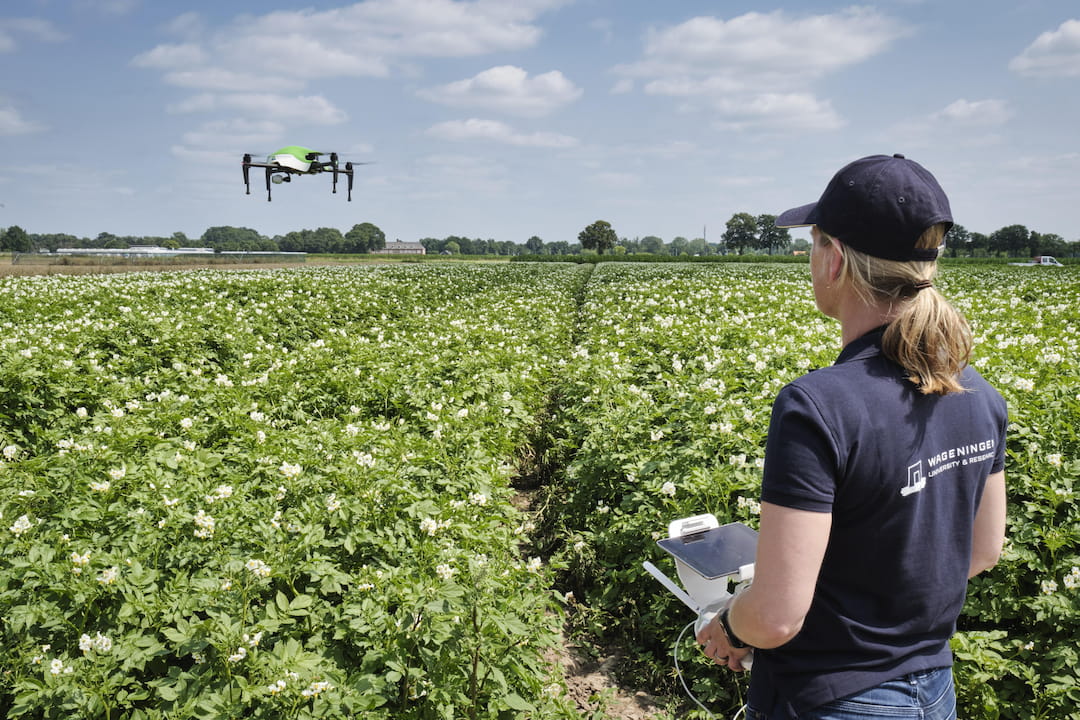
Agriculture Commissioner Christophe Hansen set out what he wants the money to buy. He pointed to crops that survive drought and extreme heat, quicker detection of plant disease, gentler crop protection, and digital tools that help a farm use water more carefully. Research Commissioner Ekaterina Zaharieva co-sponsored the package, which matters because the funding that would deliver any of it sits in her portfolio rather than his.

AgRI 2040 rests on a diagnosis the sector has repeated for a decade. European laboratories publish excellent agricultural science, and European farms adopt it slowly. The Commission wants advisory services, demonstration farms and rural digital infrastructure to close that distance, and it treats uptake as a policy objective rather than as something that happens on its own once a paper appears.

The strategy also stitches two earlier Commission documents together. It draws on the Vision for Agriculture and Food, the political framing Hansen published at the start of this mandate, and on the Strategy for European Life Sciences, which covers biotechnology and bioeconomy work that agriculture ministries rarely read. Food 2040 extends the same logic to fisheries and aquaculture, sectors that research programming has historically treated as an afterthought.

One thing the strategy does not do is commit a euro. The Commission states plainly that the approach gives long-term direction without prejudging negotiations on the next multiannual budget, and that caveat carries real weight this month. Governments and the Parliament have not agreed how much of the post-2027 framework will go to research, nor whether agricultural science keeps a ring-fenced share or competes inside a larger competitiveness pot.

Farm organisations read that sentence closely. A strategy without a budget line commits the Commission to priorities it can revise the moment the money lands elsewhere, and the sector has watched previous research agendas thin out during budget endgames. Seed companies and plant breeders welcomed the drought and disease-resistance language, while smaller cooperatives asked who pays for the advisory staff who would carry any of it onto a working farm.

Hansen and Zaharieva open the EU AgRI 2040 Conference in Brussels on 24 and 25 September, where research institutes, national ministries and industry will argue over the priorities the two frameworks list. That meeting will produce no legislation, but it will show which member states intend to defend agricultural research in the budget talks and which regard it as a line they can trade away.

The Commission published the full announcement through its agriculture directorate. Whether AgRI 2040 becomes a funding architecture or a well-drafted intention depends on decisions nobody in Brussels will take before next year.