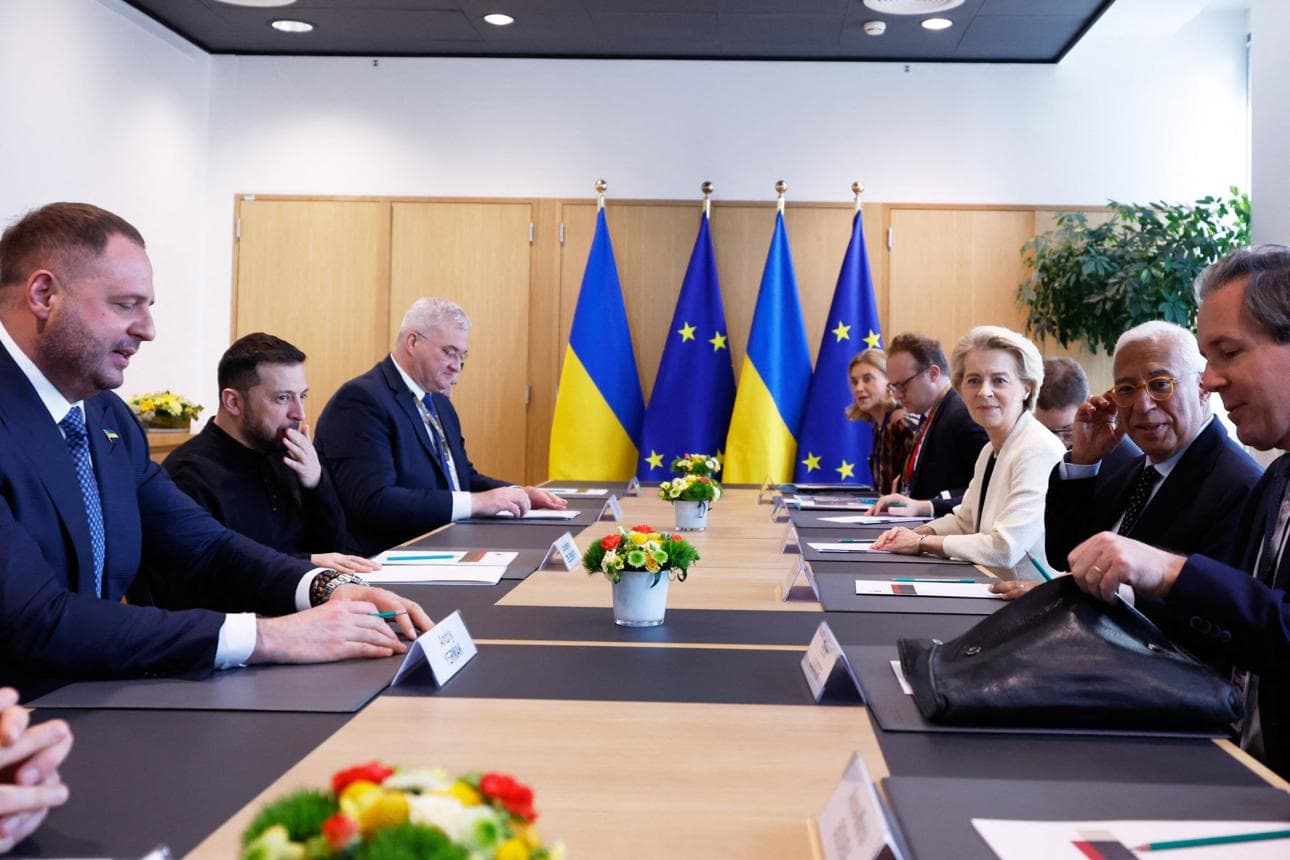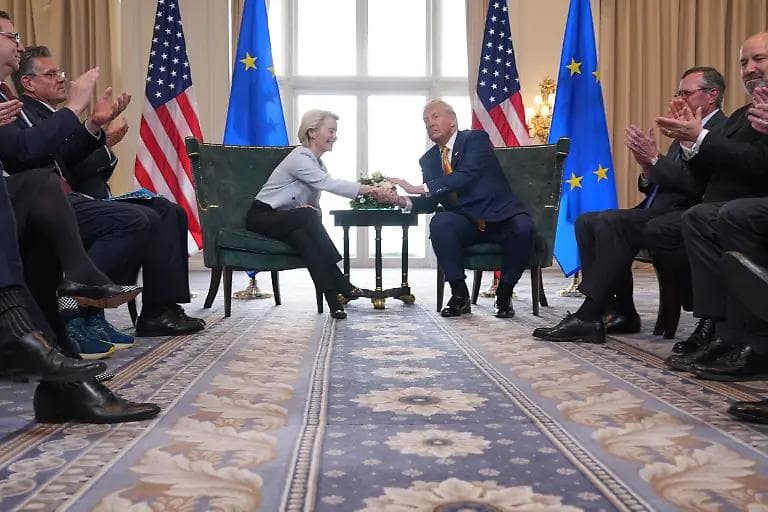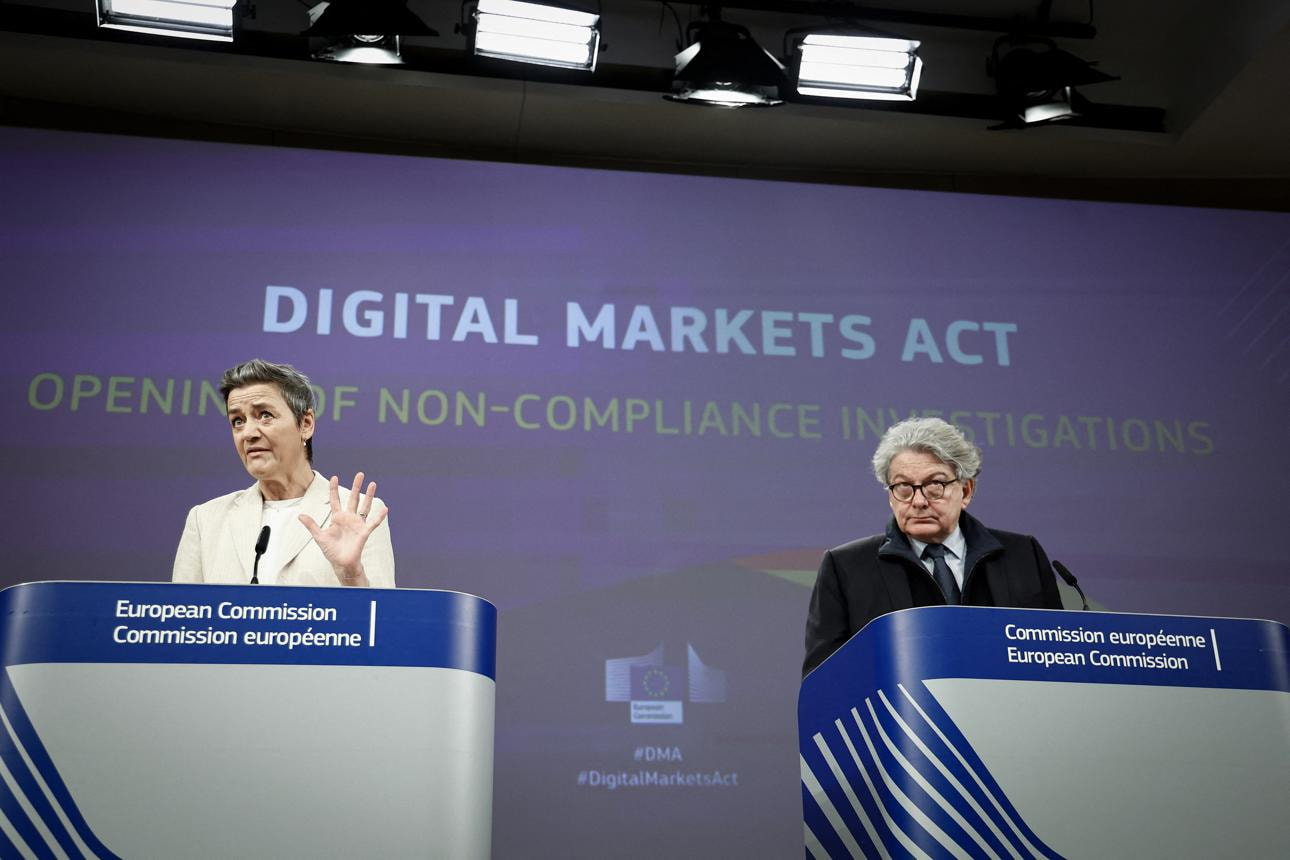
Brussels: Enlargement, once a quiet bureaucratic process, has become the most politically charged file in the European Union’s external agenda. The push to accelerate Ukraine’s accession negotiations, combined with renewed momentum behind Montenegro and Albania, is exposing fault lines that two decades of incremental progress had largely papered over. Commissioner Marta Kos’s proposal to open all of Ukraine’s negotiating clusters by the end of the Cypriot presidency in June, with the remainder following in July, has placed candidate countries on visibly uneven trajectories and unsettled foreign ministries from Podgorica to Sarajevo.
The most candid expression of that unease came from Luxembourg’s foreign minister Xavier Bettel, who warned earlier this month that countries which applied for membership long before Kyiv are now watching it move ahead at full speed, with all the risks that entails. His argument, that Montenegro and other candidates cannot be made dependent on Ukraine’s accession schedule, has gained traction among smaller member states wary of seeing the bloc’s strategic posture dictated by the war on its eastern flank. It is also a reminder that enlargement has always had a domestic dimension inside the EU itself, where national parliaments and electorates have repeatedly demonstrated they will not be hurried.
Two structural problems complicate the picture. First, Hungary continues to block the formal opening of negotiations with Ukraine, and by extension Moldova, even as technical work on the negotiating chapters proceeds in Commission services. The procedural workaround buys time but does not substitute for unanimous Council decisions, and Budapest’s veto has begun to influence how other capitals position themselves. Second, the EU’s own institutional plumbing, particularly the unanimity rule in the Common Foreign and Security Policy and the financial architecture of the cohesion and agricultural budgets, is plainly unprepared for the simultaneous absorption of Ukraine and a clutch of Western Balkan states. The Multiannual Financial Framework debate, scheduled to intensify in late May, will be the first concrete test of whether member states are willing to confront those constraints.
Against that backdrop, the Commission has been working on what it calls phased integration, sometimes described as reverse enlargement. The concept, sketched in the executive’s enlargement communications and elaborated in three scenarios examined by analysts and member-state diplomats earlier this year, would allow candidate countries to participate gradually in selected EU policies before formal accession is complete. For Ukraine, however, the same approach risks producing a nominal accession with reduced rights and obligations, a status that critics in Kyiv view as second-class membership dressed in technocratic language.
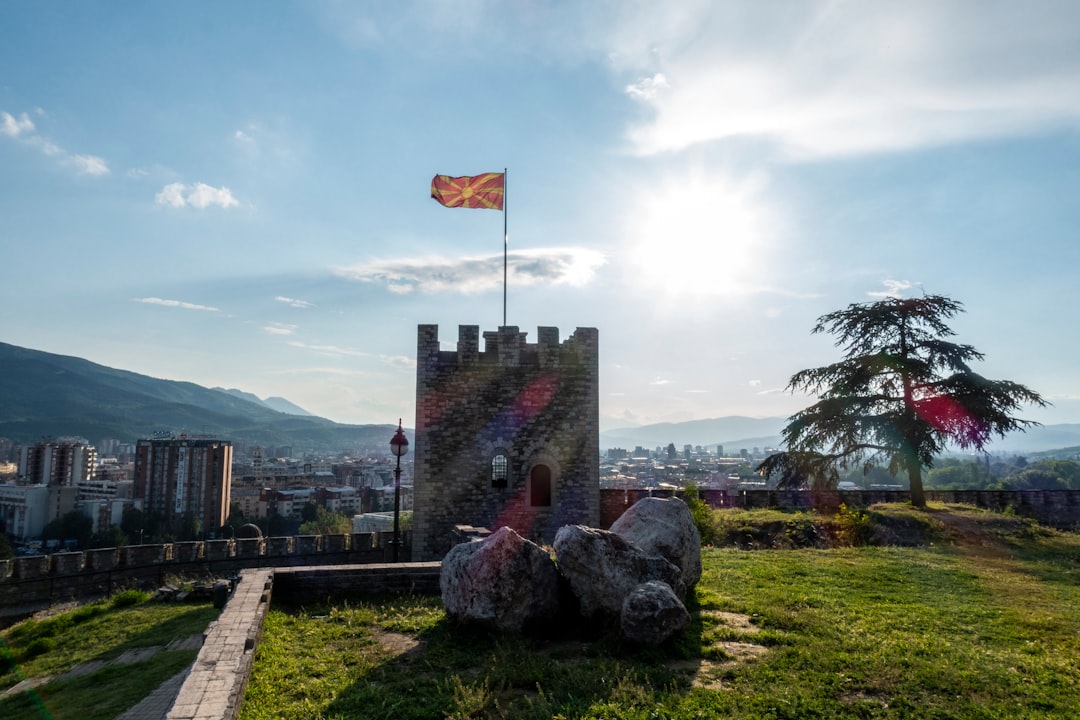
The Western Balkans face the mirror-image problem. Operational integration, increasingly favoured by Brussels-based think tanks, would deepen the region’s participation in the single market, customs union and Schengen-style cooperation without requiring the political commitment to a clear accession date. For governments in the region, the attraction is real but limited. Without the anchor of full membership, the reform incentives that pulled Croatia across the line in 2013 begin to weaken. Six candidates are now in active negotiations, Montenegro since 2012, Serbia since 2014, Albania and North Macedonia since 2020, and Moldova and Ukraine since 2024, and the spread between the most advanced and the most stalled cases is widening rather than narrowing.
What is striking about the current moment is how openly member states are debating sequencing in public, a topic that earlier waves of enlargement handled discreetly inside the General Affairs Council. The Cypriot presidency, which assumes the chair in July, has signalled it will use its term to test whether the unanimity bottleneck can be eased through political agreement rather than treaty change. That ambition will collide with both Hungarian and Slovak resistance and with the more cautious instincts of governments in Paris, The Hague and Vienna, where domestic publics remain ambivalent about another enlargement round.
The June European Council will not produce a definitive answer, but it will set the parameters for the second half of 2026. Two outcomes are possible. The first is a managed convergence in which Ukraine’s accelerated trajectory drags the Western Balkans along, with the financial framework and phased-integration debates resolved as part of a single political package. The second, more likely on current evidence, is a continued widening of speeds, with Ukraine treated as a special case and Montenegro promoted as the proof that the traditional process still functions. Either path will reshape what membership of the European Union is understood to mean.