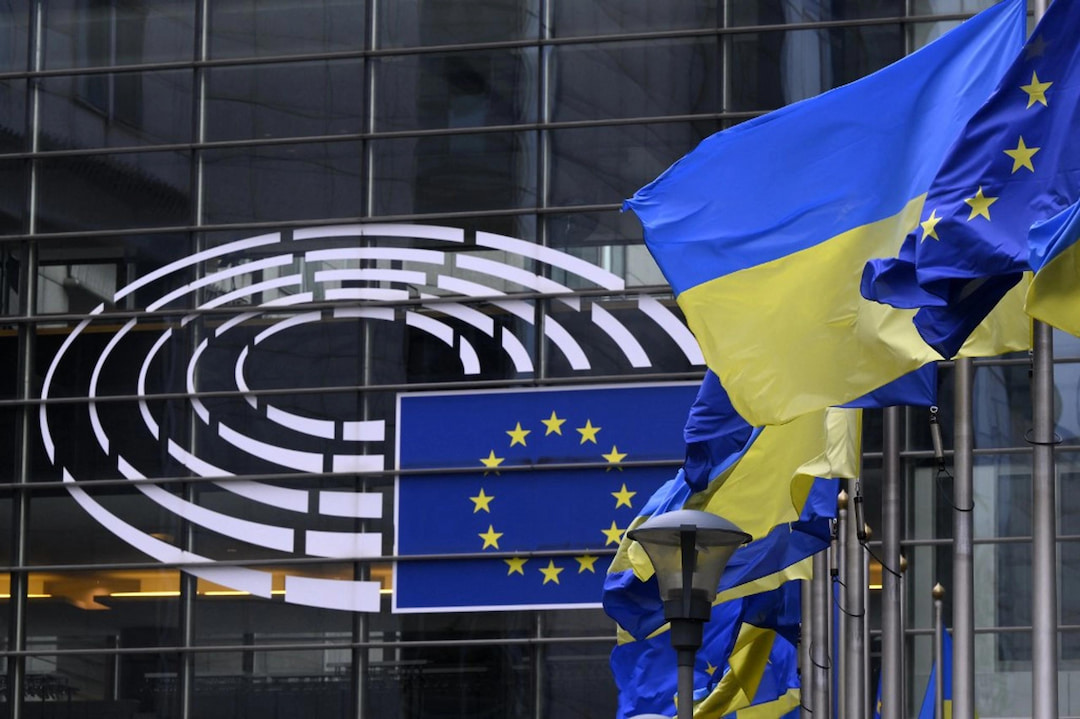
Damascus: Syria trade relations with the European Union have been fully restored in law, yet the humanitarian reality on the ground remains severe. On 11 May 2026 the Council adopted a decision ending the partial suspension of the Cooperation Agreement between the European Economic Community and Syria, reopening the formal trade framework that had been frozen during the conflict.
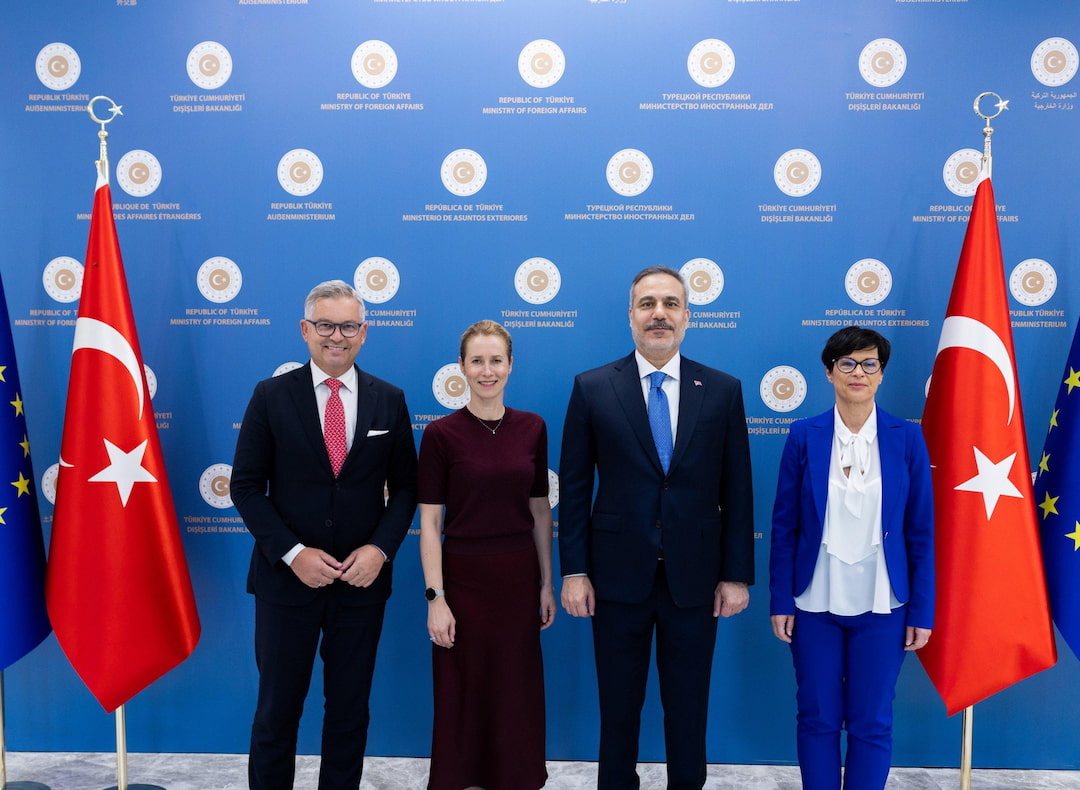
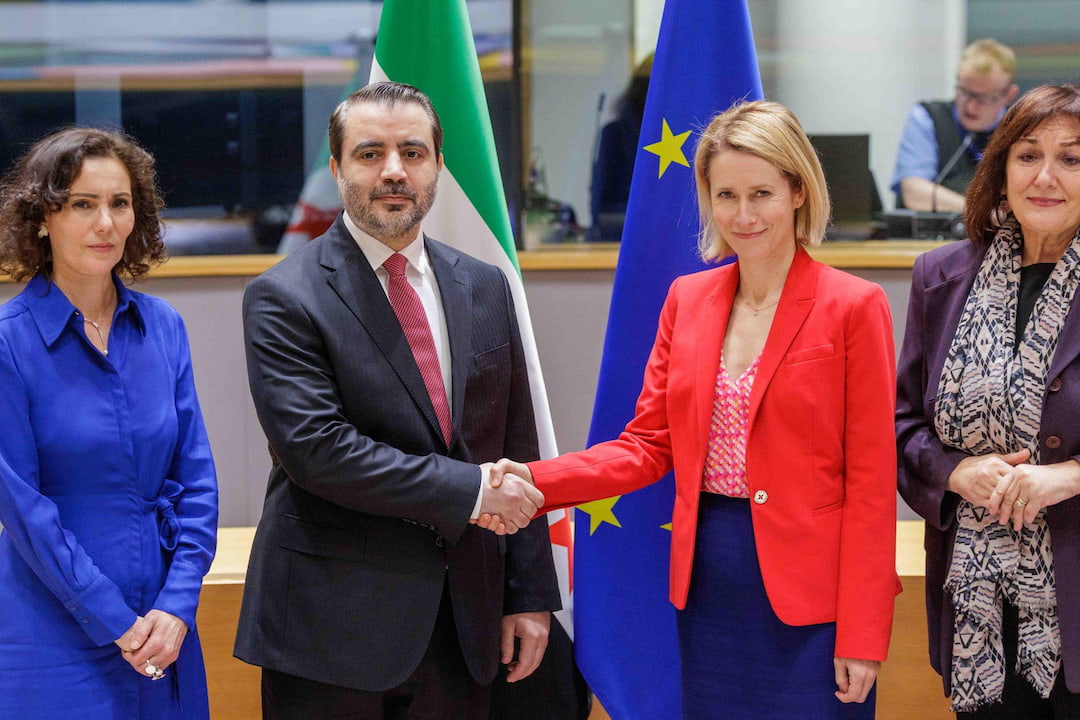
The Council described the step as a move toward stronger bilateral ties. In the same week, the first EU-Syria High-Level Political Dialogue took place in Brussels between Syrian Foreign Minister Asaad al-Shaibani and High Representative Kaja Kallas. Together, the two events put Syria trade relations on a new footing and mark a clear shift from isolation to structured engagement.
Humanitarian needs explain why the shift is urgent. After fifteen years of conflict, about 13 million Syrians, close to half the population, need food assistance. A Brussels official described the situation as still very severe and said the purpose of engagement is to support reconstruction. In January the EU pledged 620 million euros for 2026 and 2027, and Commission President Ursula von der Leyen met President Ahmed al-Sharaa in Damascus that month, a visit that signalled political willingness at the highest level.
Restoring Syria trade relations does not by itself create jobs or bread. Trade benefits depend on functioning banks, reliable customs, repaired roads and power, and a predictable legal environment. Many of those conditions are still missing. That is why European aid and trade policy need to move together, with humanitarian funding bridging the gap while the private sector slowly returns.
Several questions about Syria trade relations remain open. The reconstruction programme has not been detailed publicly, and the exact terms of the restored agreement are not spelled out in the announcements. Donors will want guarantees on transparency and on how funds are channelled, particularly in regions with fragile local governance. Syrian authorities, for their part, have sought a new partnership deal with Brussels that would go beyond the decades-old cooperation agreement, according to regional reporting, though the scope of such a deal is not yet defined.
Member states are also divided on how fast to go. Some prioritise stability and the prospect of refugee returns, while others stress accountability and reform. The Union’s approach so far has been incremental, easing restrictions step by step while keeping leverage for future benchmarks.
The coming winter will test that approach. If humanitarian deliveries keep pace and Syria trade relations translate into real commercial activity, the policy shift will look justified. If hunger deepens while legal reopening yields little, critics will argue that Europe moved on paper faster than it moved in practice.