August 9, 2026
LATEST
Medicine Shortages Move to the Heart of Europe’s Pharma ResetJapan Becomes Europe’s Closest Security Partner in AsiaCan Europe’s New Zealand Deal Anchor It in the Pacific?Chip Research Binds Europe and South Korea CloserMinimum Prices Replace Tariffs in Europe’s China Car DealBrussels and Beijing Keep Talking While the Trade Gap WidensKorean Weapons and EU Loans Now Bankroll Europe’s RearmamentNew EU Gas Market Rules Take Effect With Consumer SafeguardsDeforestation Regulation Holds Its December Deadline Despite CutsDigital Omnibus Delays Europe’s High-Risk AI Deadline to 2027Europe’s Schools Confront a Widening Basic Skills GapRule of Law Report Finds Progress but Trust Still LagsIRIS2 Gains 66 Satellites as Brussels Signs the Rollout DealNature Restoration Plans Come Due as Member States Race a DeadlineECB Rates Hold at 2.25 Percent as Frankfurt Waits on the DataEU Budget Talks Turn to Cohesion as Ireland Takes OverWildfire Response Stretches Europe’s Emergency Fleet ThinCan Europe’s Quantum Plan Match Its Big Ambitions?Armenia Edges West as Moscow’s Grip Slips AwayEurope Inherits the World’s Aid Bill It Cannot Fully PayMedicine Shortages Move to the Heart of Europe’s Pharma ResetJapan Becomes Europe’s Closest Security Partner in AsiaCan Europe’s New Zealand Deal Anchor It in the Pacific?Chip Research Binds Europe and South Korea CloserMinimum Prices Replace Tariffs in Europe’s China Car DealBrussels and Beijing Keep Talking While the Trade Gap WidensKorean Weapons and EU Loans Now Bankroll Europe’s RearmamentNew EU Gas Market Rules Take Effect With Consumer SafeguardsDeforestation Regulation Holds Its December Deadline Despite CutsDigital Omnibus Delays Europe’s High-Risk AI Deadline to 2027Europe’s Schools Confront a Widening Basic Skills GapRule of Law Report Finds Progress but Trust Still LagsIRIS2 Gains 66 Satellites as Brussels Signs the Rollout DealNature Restoration Plans Come Due as Member States Race a DeadlineECB Rates Hold at 2.25 Percent as Frankfurt Waits on the DataEU Budget Talks Turn to Cohesion as Ireland Takes OverWildfire Response Stretches Europe’s Emergency Fleet ThinCan Europe’s Quantum Plan Match Its Big Ambitions?Armenia Edges West as Moscow’s Grip Slips AwayEurope Inherits the World’s Aid Bill It Cannot Fully Pay
August 9, 2026
LATEST
Medicine Shortages Move to the Heart of Europe’s Pharma ResetJapan Becomes Europe’s Closest Security Partner in AsiaCan Europe’s New Zealand Deal Anchor It in the Pacific?Chip Research Binds Europe and South Korea CloserMinimum Prices Replace Tariffs in Europe’s China Car DealBrussels and Beijing Keep Talking While the Trade Gap WidensKorean Weapons and EU Loans Now Bankroll Europe’s RearmamentNew EU Gas Market Rules Take Effect With Consumer SafeguardsDeforestation Regulation Holds Its December Deadline Despite CutsDigital Omnibus Delays Europe’s High-Risk AI Deadline to 2027Europe’s Schools Confront a Widening Basic Skills GapRule of Law Report Finds Progress but Trust Still LagsIRIS2 Gains 66 Satellites as Brussels Signs the Rollout DealNature Restoration Plans Come Due as Member States Race a DeadlineECB Rates Hold at 2.25 Percent as Frankfurt Waits on the DataEU Budget Talks Turn to Cohesion as Ireland Takes OverWildfire Response Stretches Europe’s Emergency Fleet ThinCan Europe’s Quantum Plan Match Its Big Ambitions?Armenia Edges West as Moscow’s Grip Slips AwayEurope Inherits the World’s Aid Bill It Cannot Fully PayMedicine Shortages Move to the Heart of Europe’s Pharma ResetJapan Becomes Europe’s Closest Security Partner in AsiaCan Europe’s New Zealand Deal Anchor It in the Pacific?Chip Research Binds Europe and South Korea CloserMinimum Prices Replace Tariffs in Europe’s China Car DealBrussels and Beijing Keep Talking While the Trade Gap WidensKorean Weapons and EU Loans Now Bankroll Europe’s RearmamentNew EU Gas Market Rules Take Effect With Consumer SafeguardsDeforestation Regulation Holds Its December Deadline Despite CutsDigital Omnibus Delays Europe’s High-Risk AI Deadline to 2027Europe’s Schools Confront a Widening Basic Skills GapRule of Law Report Finds Progress but Trust Still LagsIRIS2 Gains 66 Satellites as Brussels Signs the Rollout DealNature Restoration Plans Come Due as Member States Race a DeadlineECB Rates Hold at 2.25 Percent as Frankfurt Waits on the DataEU Budget Talks Turn to Cohesion as Ireland Takes OverWildfire Response Stretches Europe’s Emergency Fleet ThinCan Europe’s Quantum Plan Match Its Big Ambitions?Armenia Edges West as Moscow’s Grip Slips AwayEurope Inherits the World’s Aid Bill It Cannot Fully Pay

Savings And Investments Union Bets On Reviving EU Securitisation

Frankfurt: The rebrand was the easy part. Two years after the Commission retired the tired language of a Capital Markets Union and relaunched the project as a Savings and Investments Union, the strategy is running into the unglamorous machinery that will decide whether it amounts to anything. Near the centre of that machinery sits a word most savers have never heard and many regulators learned to distrust after 2008: securitisation.

The logic is straightforward enough. European households hold a vast pool of savings in low-yielding bank deposits, while the bloc keeps insisting it needs trillions in private capital for its green and digital ambitions. Banks could lend far more of that money if they could move existing loans off their balance sheets by bundling them into tradable securities and selling them to investors, freeing capital to write new credit. That is securitisation, and Europe does strikingly little of it compared with the United States. The market here never recovered from the reputational wreckage of the financial crisis, when opaque mortgage bundles became a byword for hidden risk.

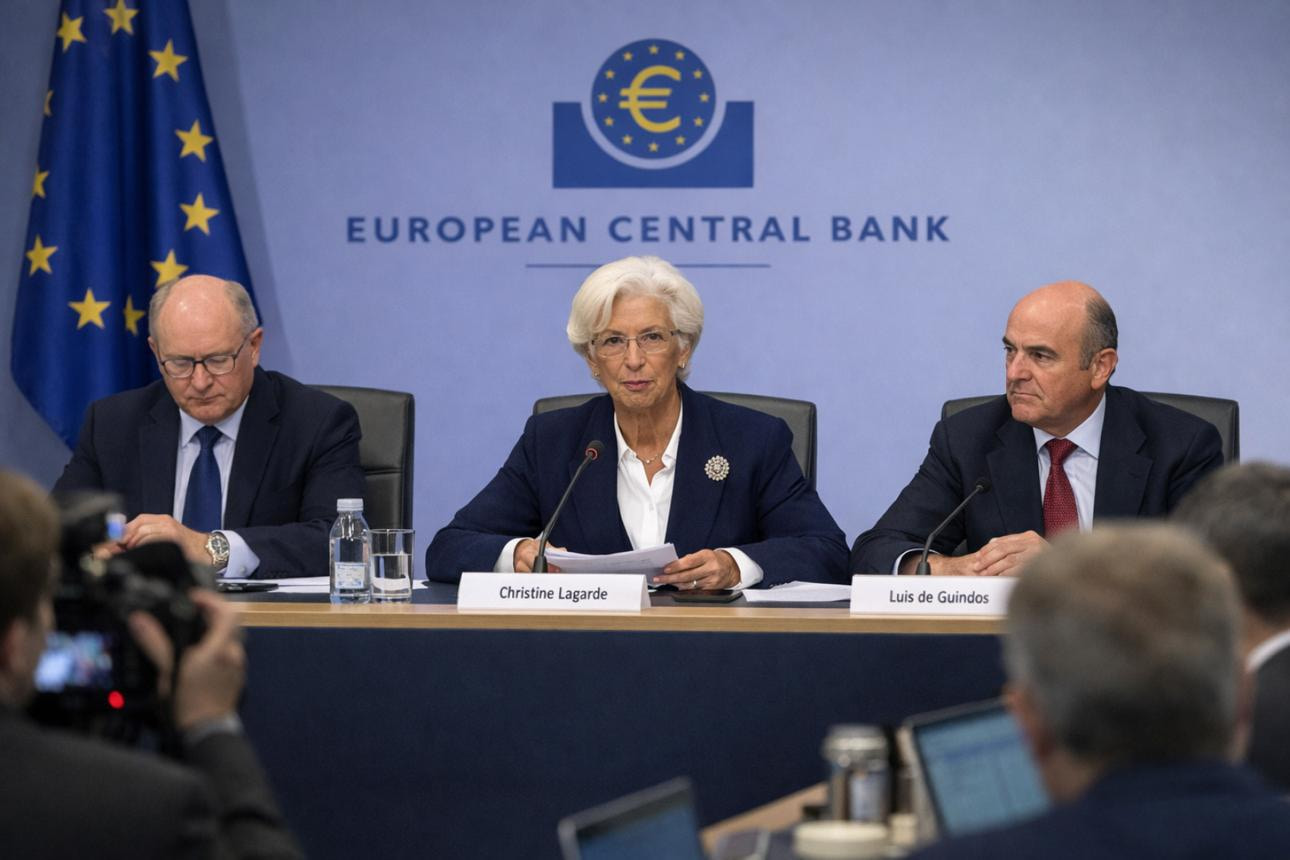
The revival package the Commission has put forward tries to coax the market back to life without inviting the old dangers. It would trim the punishing capital charges that make it expensive for banks and insurers to hold securitised assets, simplify the due-diligence paperwork that investors complain is disproportionate, and recalibrate the disclosure rules so that issuing a straightforward, well-understood bundle is no longer an act of regulatory endurance. Supervisors at the European Central Bank have lent the effort cautious backing, on the understanding that simpler does not become slacker.

That caveat is where the fight lives. To their critics, lower capital requirements on securitised exposures are exactly the kind of pre-crisis thinking the bloc swore off, and loosening them to chase growth risks rebuilding the plumbing that once flooded. Defenders counter that European securitisation behaved well through the crisis, that default rates on the bloc’s deals were a fraction of their American equivalents, and that punishing a market for sins it did not commit has simply handed the financing job to banks that cannot shoulder it alone.

The deeper problem is that securitisation, however it is calibrated, is plumbing rather than a destination. A Savings and Investments Union that genuinely moved household money into productive investment would also need harmonised insolvency rules so investors knew what they could recover when a deal soured, a more integrated supervisory architecture so a security issued in one member state traded as easily as one issued next door, and pension and tax incentives that nudged savers out of deposits in the first place. Each of those touches a national prerogative that governments guard closely, which is precisely why the union has been promised, relabelled and promised again for the better part of a decade.

Securitisation is attractive to the Commission partly because it can be advanced through technical files rather than treaty-level bargaining, which makes it movable in a way the harder reforms are not. The danger is that it becomes the whole of the agenda rather than one early piece of it, an achievable win that lets the more contentious building blocks slide. Reviving the market would be a real accomplishment. Mistaking it for the finished union would be the more expensive error.