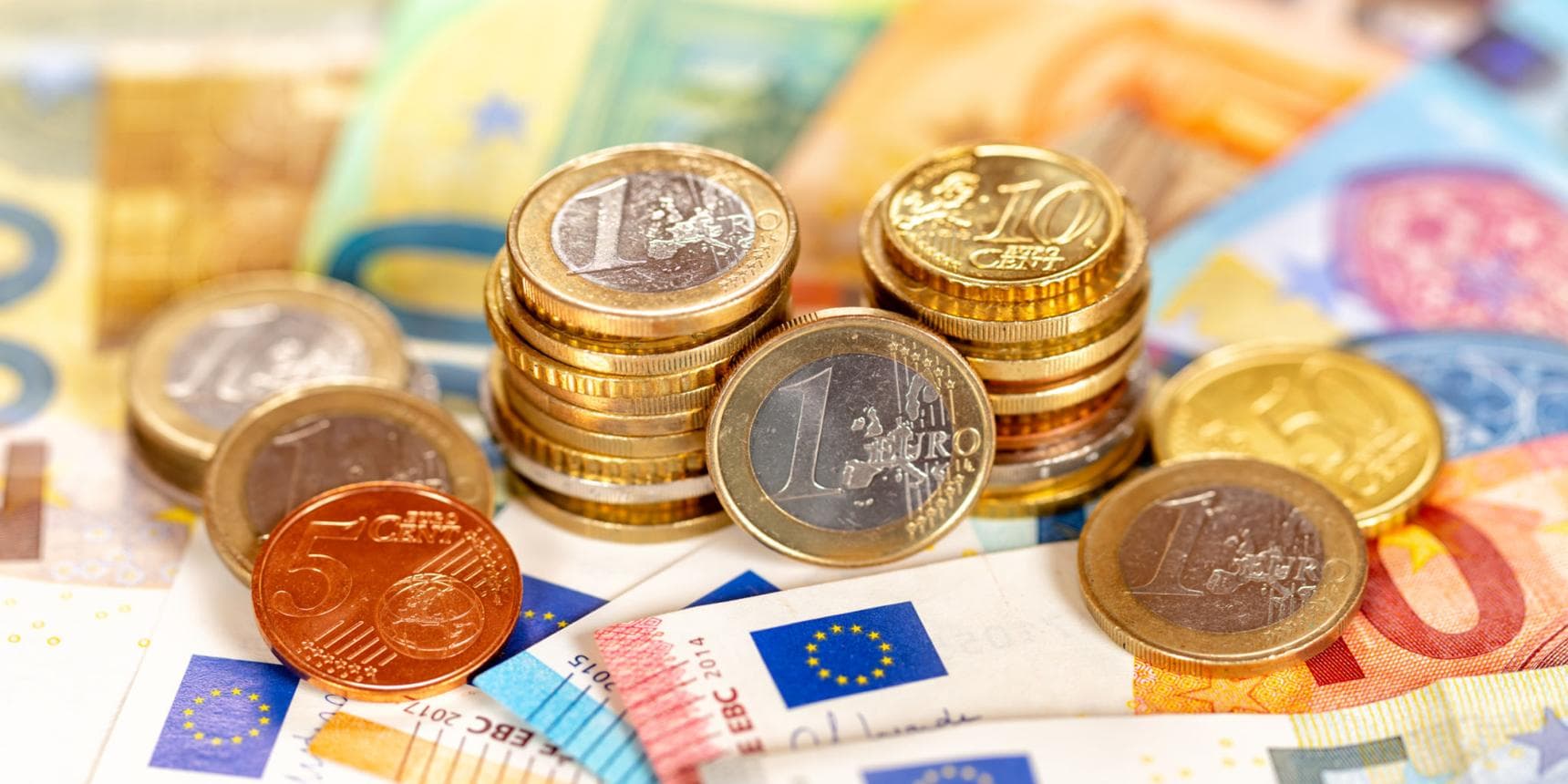
Frankfurt: The European Central Bank’s annual stocktake of the euro’s international standing, published this week, delivers a familiar verdict in a more urgent register. The single currency’s global role rose moderately last year, holding its place as the world’s clear second currency, yet its share of official foreign exchange reserves remained stuck at around a fifth, broadly where it has sat for years once exchange-rate swings are stripped out. The euro is durable, widely used and trusted. What it is not, two and a half decades after its launch, is a serious challenger to the dollar’s primacy.
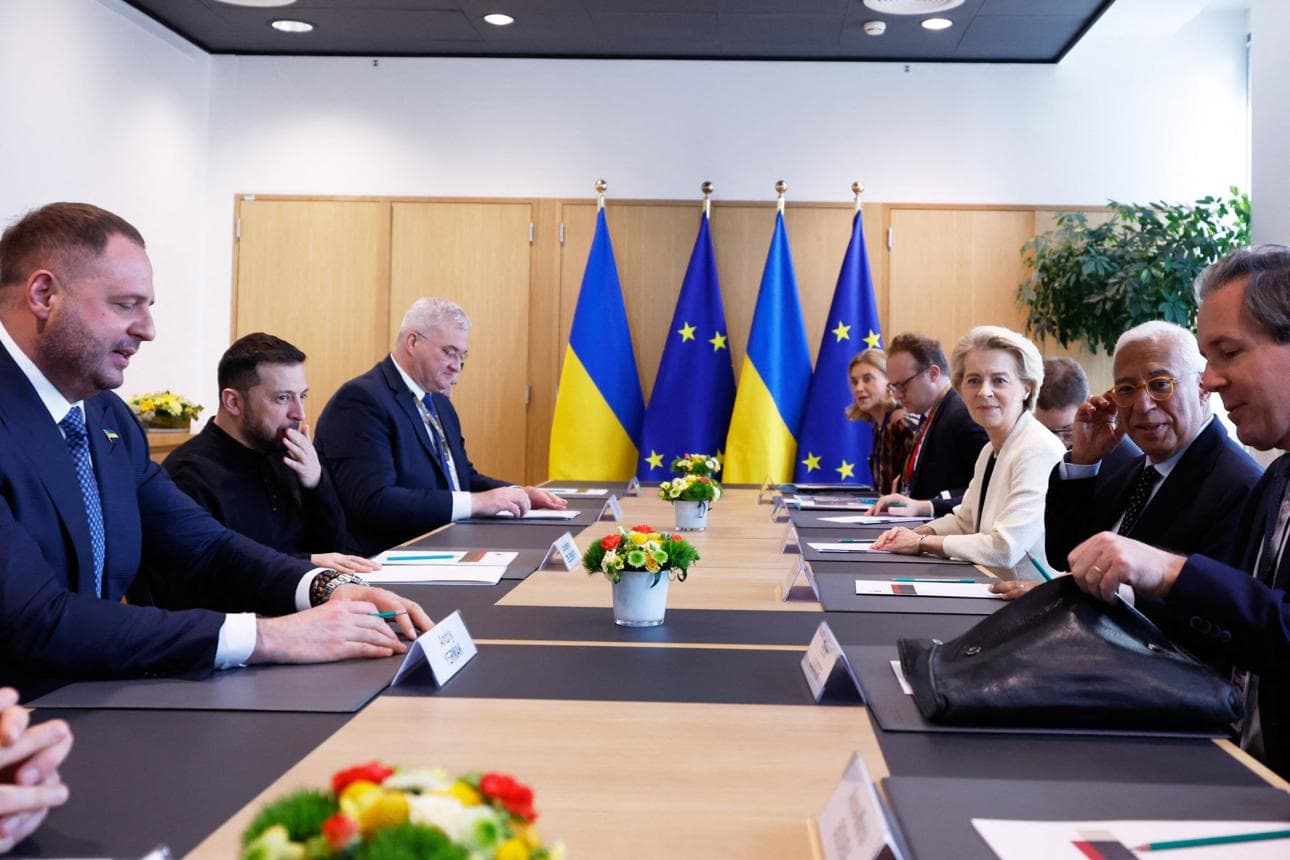
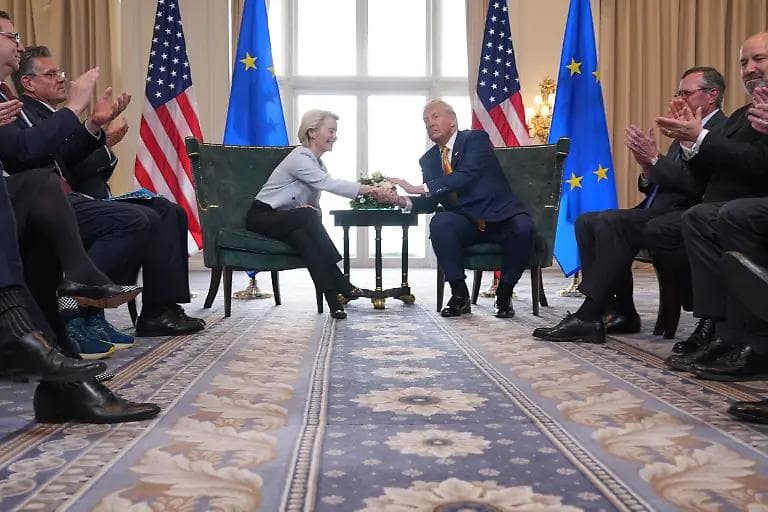
That gap between aspiration and arithmetic is what gives the moment its tension. European officials have spent the past year arguing that the currency’s hour has come, encouraged by friction in transatlantic relations and a sense that dependence on dollar-based payment systems has become a strategic vulnerability. The Commission set out a strategy earlier in the year built on three pillars: strengthening the euro’s external role, deepening resilient financial infrastructure, and sharpening the enforcement of sanctions. The logic is that monetary power and geopolitical autonomy are now the same project.
The diagnosis is sound; the prescription is where the difficulty lies. A reserve currency needs deep, liquid and safe assets for central banks and large investors to hold, and here Europe’s structural weakness is well understood. The dollar is backed by a single vast market in US Treasuries; the euro is backed by twenty national bond markets of varying size and credit quality, with no equivalently large pool of common safe debt. The Commission’s answer, issuing more joint EU debt to deepen the market for euro-denominated instruments, points squarely at the problem, but joint borrowing remains politically fraught among member states wary of mutualised liabilities. The economics of reserve status keep colliding with the politics of fiscal sovereignty.
There are genuine bright spots the ECB is right to highlight. Issuance of international debt denominated in euro reached its highest level since the currency was created, climbing some thirty percent year on year, and the euro became the leading currency in the green and sustainable bond market for the first time. Sustainable finance is a domain where Europe sets global standards rather than follows them, and the currency benefits directly from that leadership. These are not trivial gains; they show the euro winning where European institutions have built genuine depth.
But the headline ambitions remain stubborn. The push to have the euro priced into payments for oil, gas, electricity, raw materials and defence runs into the inertia of markets that have invoiced in dollars for generations and see little reason to switch. The digital euro, intended to give Europeans a payment rail independent of American card networks, has advanced through its legislative standoff but is years from changing how reserves are held. Each initiative is reasonable on its own terms; none individually shifts the twenty-percent number that frames the whole debate.
The deeper point is that reserve status is conferred by others, not claimed. Central banks and investors hold a currency because they judge its institutions credible, its markets liquid and its politics stable over a horizon measured in decades. Europe can improve each of those inputs, and the strategy is a serious attempt to do so, but it cannot legislate the confidence of foreign reserve managers. The dollar’s dominance rests less on American virtue than on the absence of an alternative offering the same combination of scale and safety.
That is why this year’s report reads as both encouraging and sobering. The euro is doing many things right, and the external environment has rarely been more favourable to a rival. Yet the moment keeps slipping out of reach for a reason that no communique can resolve quickly: the single currency still lacks the single, deep safe asset that a true reserve currency requires. Until Europe is willing to build that, the euro will remain a strong second, admired and used, but waiting for an hour that its own internal divisions keep deferring.