Warsaw: The tip that set the inquiry in motion came from Polish customs officers who noticed something amiss in a stream of goods entering the Union, declarations that did not match the cargo and procedures that appeared designed to dissolve a tax bill before it ever came due. What began as a local irregularity has become a case study in how the European Anti-Fraud Office now works, and a reminder that the most expensive frauds against the Union’s budget rarely announce themselves.
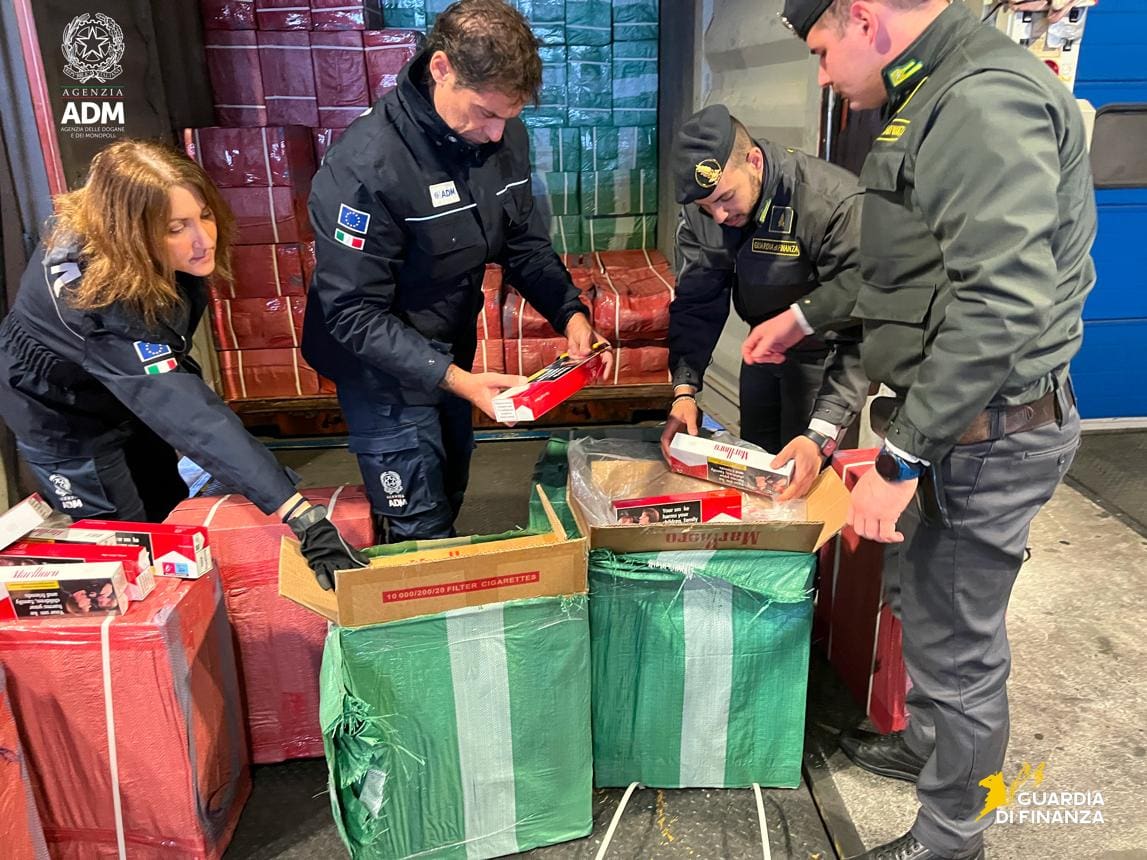
Acting on the Polish lead, the office took over the analytical and operational spine of the investigation, mapping the tangled trade flows behind a suspected misuse of customs procedures involving undeclared goods. Investigators traced consignments that had been routed to disguise their true value and destination, identified the high-risk shipments worth scrutinising, and coordinated control actions across several member states at once. The mechanics are mundane and the stakes are not: when importers understate the value of goods or abuse transit arrangements, the customs duties and import VAT that should flow into national and EU coffers simply evaporate.
This is the unglamorous core of protecting the Union’s finances. Customs and VAT fraud of this kind drains revenue that would otherwise fund everything from regional development to research, and because the schemes straddle borders, no single national authority can see the whole picture. That structural blind spot is the office’s reason for existing. It cannot prosecute on its own; instead it assembles the evidence, follows the money across jurisdictions, and hands recommendations to national authorities and, where criminal liability arises, to the European Public Prosecutor’s Office for follow-up.
The scale of the wider effort is considerable. Over the past decade the office’s investigations have led to recommendations to recover billions of euros to the Union budget and have prevented hundreds of millions more from being wrongly spent. Customs-related fraud features heavily in that record, alongside misused agricultural and structural funds and the circumvention of trade restrictions. The pattern that emerges from case after case is one of complexity deployed deliberately: shell intermediaries, mismatched paperwork, and routes chosen precisely because they cross enough borders to confuse anyone looking at only one segment.
The Polish-triggered case illustrates both the strength and the limit of the model. Its strength is coordination, the ability to knit together a customs officer’s hunch in one country with shipping records and control actions in others until a coherent scheme comes into view. Its limit is that detection still depends heavily on alert national officials flagging anomalies in the first place, and on those officials trusting the central office enough to share what they see. The more sophisticated the fraud, the more it relies on each authority assuming the problem belongs to someone else.
For the budget, the math is straightforward. Every consignment that slips through under a false declaration is revenue that honest taxpayers and compliant businesses ultimately make up. The investigators working outward from that initial Warsaw alert are, in effect, defending a common purse that few citizens ever picture, against adversaries who count on exactly that invisibility. The case will likely end, as most do, not in a dramatic courtroom verdict but in a recovery recommendation and a quiet adjustment to the controls that let the scheme run.