August 9, 2026
LATEST
New EU Gas Market Rules Take Effect With Consumer SafeguardsDeforestation Regulation Holds Its December Deadline Despite CutsDigital Omnibus Delays Europe’s High-Risk AI Deadline to 2027Europe’s Schools Confront a Widening Basic Skills GapRule of Law Report Finds Progress but Trust Still LagsIRIS2 Gains 66 Satellites as Brussels Signs the Rollout DealNature Restoration Plans Come Due as Member States Race a DeadlineECB Rates Hold at 2.25 Percent as Frankfurt Waits on the DataEU Budget Talks Turn to Cohesion as Ireland Takes OverWildfire Response Stretches Europe’s Emergency Fleet ThinCan Europe’s Quantum Plan Match Its Big Ambitions?Armenia Edges West as Moscow’s Grip Slips AwayEurope Inherits the World’s Aid Bill It Cannot Fully PayAir Passenger Rights Get Their First Overhaul in Two DecadesErasmus Opens a 5 Billion Euro Round for Skills and MobilityCeuta Crisis Pushes the EU Toward Faster Migrant ReturnsBulky Parcels Face a Packaging Crackdown From August 12Can Europe Build Its Drone Wall Before 2030 Arrives?Indonesia’s Trade Deal With Europe Nears Its Final SignatureEurope Leans on Beijing to Keep Climate Talks Alive Before AntalyaNew EU Gas Market Rules Take Effect With Consumer SafeguardsDeforestation Regulation Holds Its December Deadline Despite CutsDigital Omnibus Delays Europe’s High-Risk AI Deadline to 2027Europe’s Schools Confront a Widening Basic Skills GapRule of Law Report Finds Progress but Trust Still LagsIRIS2 Gains 66 Satellites as Brussels Signs the Rollout DealNature Restoration Plans Come Due as Member States Race a DeadlineECB Rates Hold at 2.25 Percent as Frankfurt Waits on the DataEU Budget Talks Turn to Cohesion as Ireland Takes OverWildfire Response Stretches Europe’s Emergency Fleet ThinCan Europe’s Quantum Plan Match Its Big Ambitions?Armenia Edges West as Moscow’s Grip Slips AwayEurope Inherits the World’s Aid Bill It Cannot Fully PayAir Passenger Rights Get Their First Overhaul in Two DecadesErasmus Opens a 5 Billion Euro Round for Skills and MobilityCeuta Crisis Pushes the EU Toward Faster Migrant ReturnsBulky Parcels Face a Packaging Crackdown From August 12Can Europe Build Its Drone Wall Before 2030 Arrives?Indonesia’s Trade Deal With Europe Nears Its Final SignatureEurope Leans on Beijing to Keep Climate Talks Alive Before Antalya
August 9, 2026
LATEST
New EU Gas Market Rules Take Effect With Consumer SafeguardsDeforestation Regulation Holds Its December Deadline Despite CutsDigital Omnibus Delays Europe’s High-Risk AI Deadline to 2027Europe’s Schools Confront a Widening Basic Skills GapRule of Law Report Finds Progress but Trust Still LagsIRIS2 Gains 66 Satellites as Brussels Signs the Rollout DealNature Restoration Plans Come Due as Member States Race a DeadlineECB Rates Hold at 2.25 Percent as Frankfurt Waits on the DataEU Budget Talks Turn to Cohesion as Ireland Takes OverWildfire Response Stretches Europe’s Emergency Fleet ThinCan Europe’s Quantum Plan Match Its Big Ambitions?Armenia Edges West as Moscow’s Grip Slips AwayEurope Inherits the World’s Aid Bill It Cannot Fully PayAir Passenger Rights Get Their First Overhaul in Two DecadesErasmus Opens a 5 Billion Euro Round for Skills and MobilityCeuta Crisis Pushes the EU Toward Faster Migrant ReturnsBulky Parcels Face a Packaging Crackdown From August 12Can Europe Build Its Drone Wall Before 2030 Arrives?Indonesia’s Trade Deal With Europe Nears Its Final SignatureEurope Leans on Beijing to Keep Climate Talks Alive Before AntalyaNew EU Gas Market Rules Take Effect With Consumer SafeguardsDeforestation Regulation Holds Its December Deadline Despite CutsDigital Omnibus Delays Europe’s High-Risk AI Deadline to 2027Europe’s Schools Confront a Widening Basic Skills GapRule of Law Report Finds Progress but Trust Still LagsIRIS2 Gains 66 Satellites as Brussels Signs the Rollout DealNature Restoration Plans Come Due as Member States Race a DeadlineECB Rates Hold at 2.25 Percent as Frankfurt Waits on the DataEU Budget Talks Turn to Cohesion as Ireland Takes OverWildfire Response Stretches Europe’s Emergency Fleet ThinCan Europe’s Quantum Plan Match Its Big Ambitions?Armenia Edges West as Moscow’s Grip Slips AwayEurope Inherits the World’s Aid Bill It Cannot Fully PayAir Passenger Rights Get Their First Overhaul in Two DecadesErasmus Opens a 5 Billion Euro Round for Skills and MobilityCeuta Crisis Pushes the EU Toward Faster Migrant ReturnsBulky Parcels Face a Packaging Crackdown From August 12Can Europe Build Its Drone Wall Before 2030 Arrives?Indonesia’s Trade Deal With Europe Nears Its Final SignatureEurope Leans on Beijing to Keep Climate Talks Alive Before Antalya

The Euro Is Quietly Winning Back Ground From The Dollar

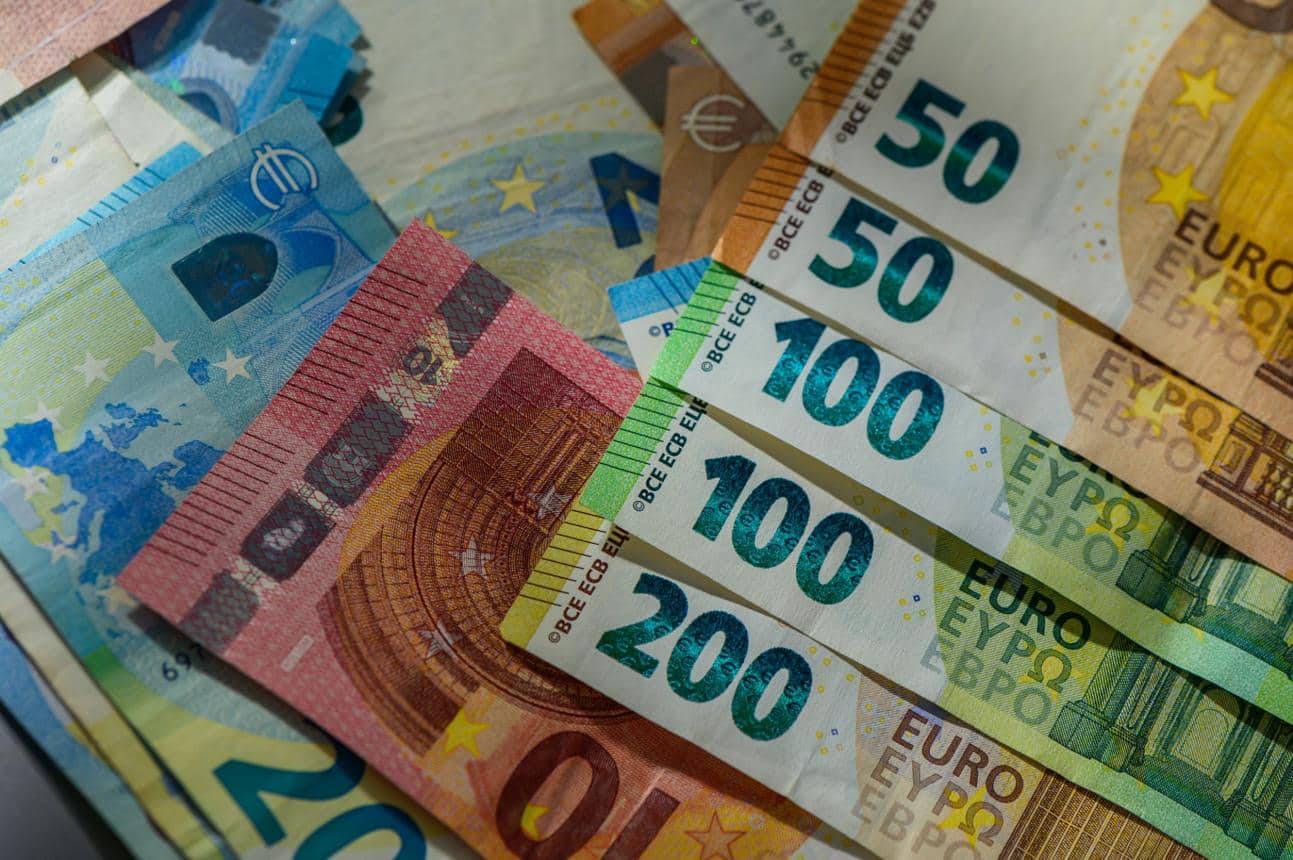
Frankfurt: The latest annual stocktake of the euro’s global standing, published by the European Central Bank on 2 June, carries an unusually pointed subtext. The single currency’s international footprint grew “moderately” through 2025, the report concludes, but the more arresting story sits in the data on what the world’s central banks are doing with their reserves. Rather than a simple contest between the euro and the dollar, the figures describe a slower, structural drift away from holding sovereign debt at all and toward an older form of insurance: gold.

The headline numbers reward careful reading. Gold’s share of total official foreign reserves climbed to 27 percent by the end of 2025, a level that places the metal ahead of the euro and within striking distance of the share long thought to belong unassailably to US Treasuries. The shift is not cosmetic. Since Russia’s full-scale invasion of Ukraine in 2022 froze a large slice of Moscow’s reserves, China has added more than 350 tonnes of gold to its vaults, followed by Poland with roughly 320 tonnes, Turkiye with 220 and India with 130. These are not the moves of speculators chasing a rally. They are the deliberate choices of monetary authorities that have concluded a reserve asset is only as safe as the politics of the country that issues it.

The mirror image of that calculation shows up on the dollar side of the ledger. The value of US Treasuries held in custody for official institutions at the New York Federal Reserve fell by 82 billion dollars to 2.7 trillion in March, the lowest reading since 2012. Some of that decline reflects price effects rather than outright selling, and the ECB is careful not to overstate the trend. But the direction of travel is consistent with a world in which the custodial relationship itself has become a variable that reserve managers now price.

Where does the euro fit in this rearrangement? The honest answer from the report is at the margin, and on its own modest merits. The currency became “more appealing” for both invoicing and reserves over the year, helped by relative political stability, deeper green-bond markets and the steady expansion of euro-denominated trade settlement beyond the bloc’s borders. Yet the ECB resists any triumphalism. Its authors warn explicitly that there is no room for complacency while fragmentation in the international monetary system grows. A reserve manager diversifying away from the dollar is under no obligation to buy euros; gold, the renminbi and a scattering of smaller currencies all compete for the same flows.

That is the quiet lesson buried in an otherwise technical document. The euro’s strongest asset in the contest for global standing may be less anything Frankfurt does than the steady erosion of confidence in the alternatives. Reserve diversification is a slow process measured in tonnes and basis points, not headlines, and it tends to reward currencies that are boringly reliable rather than those that promise the most. For the euro, the strategic implication is twofold. First, the bloc’s long-running ambition to build a genuine capital markets union and a deep pool of common safe assets is not an abstract integration project but the precondition for absorbing any sustained flight from the dollar. Without a large, liquid stock of euro-denominated safe debt, central banks that want to reduce their dollar exposure will keep finding it easier to buy gold than bonds.

Second, the data should temper expectations on both sides of the Atlantic. The dollar is not collapsing, and the euro is not poised to replace it. What the 2025 figures describe is a system slowly becoming more multipolar and, in the ECB’s careful phrasing, more fragmented. For European policymakers who have spent a decade talking about strategic autonomy, the report offers an uncomfortable reminder that monetary influence cannot be declared. It has to be built, asset by asset, and the rest of the world is hedging its bets in the meantime.