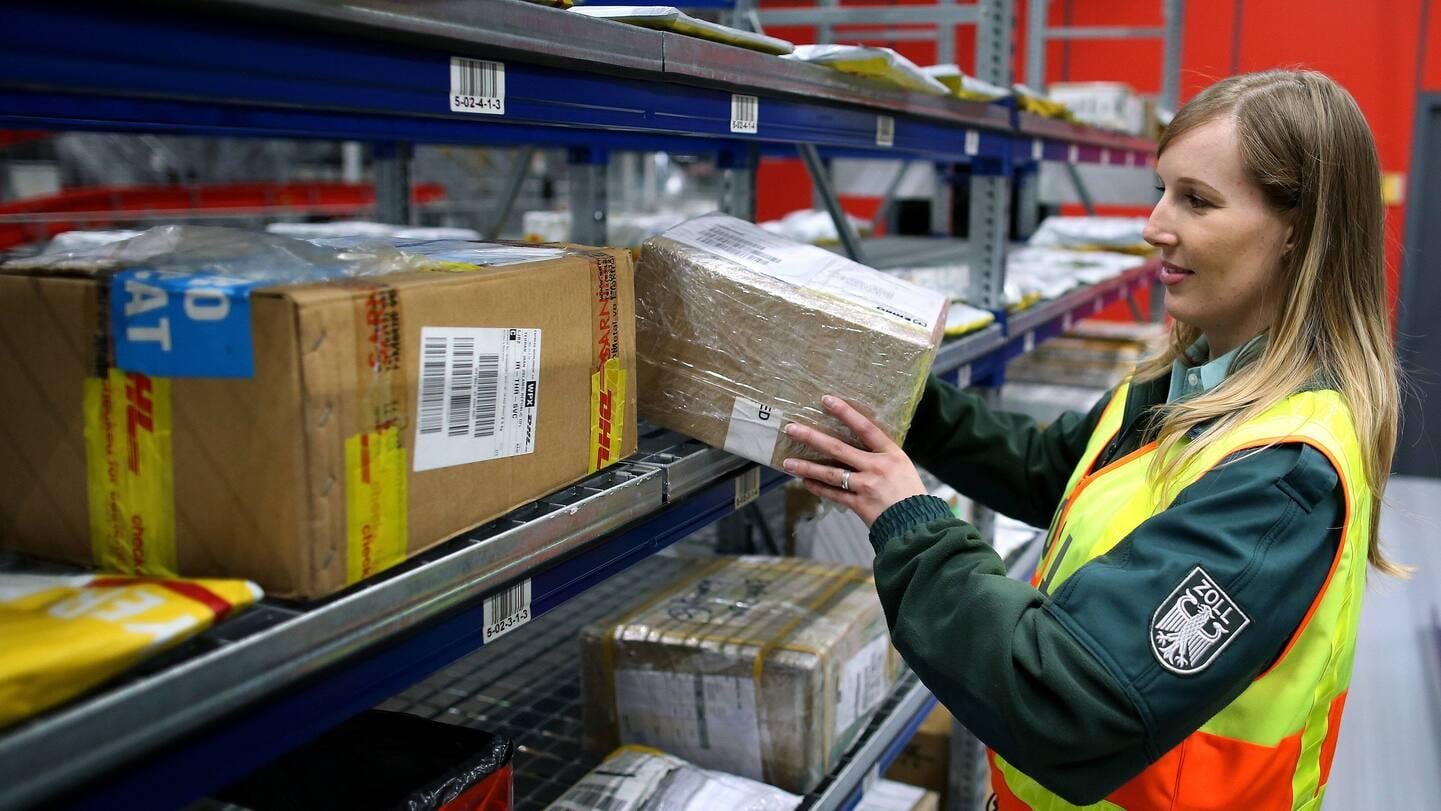
Rotterdam: For nearly four decades the small package slipping into Europe under the radar has been one of the quiet engines of cross-border shopping. That era closes on 1 July, when the European Union scraps the customs duty exemption that has waved through consignments worth up to 150 euros. In its place comes a blunt instrument designed for an age of billion-parcel trade: a temporary duty of three euros levied on every low-value item arriving from outside the bloc.
The change is deliberately mechanical. The fee is charged per item category rather than per parcel, a distinction that matters for the warehouses and postal hubs that now have to recalculate the landed cost of almost everything. Member states agreed the measure late last year, and the Commission published its operational guidance and legal text only this week, leaving logistics operators a narrow window to rewire their systems before the deadline bites.
Officials present the move less as a revenue grab than as a correction. More than four and a half billion low-value packages entered the Union last year, the overwhelming majority from a handful of non-European platforms, and customs authorities have struggled to inspect, value or tax them at anything like that volume. The exemption, conceived when cross-border parcels were a trickle, had become a structural loophole that disadvantaged European retailers obliged to charge duty on comparable goods.
The three-euro charge is explicitly a stopgap. It is meant to run until 1 July 2028, the date the Union expects its new EU Customs Data Hub to be handling e-commerce traffic at scale. That hub is the centrepiece of the most sweeping overhaul of the customs union since it was founded in 1968, a reform on which Parliament and the Council reached political agreement in March. Over time the platform is intended to replace the patchwork of national customs IT systems, a consolidation the Commission estimates could save member states up to two billion euros a year in running costs.
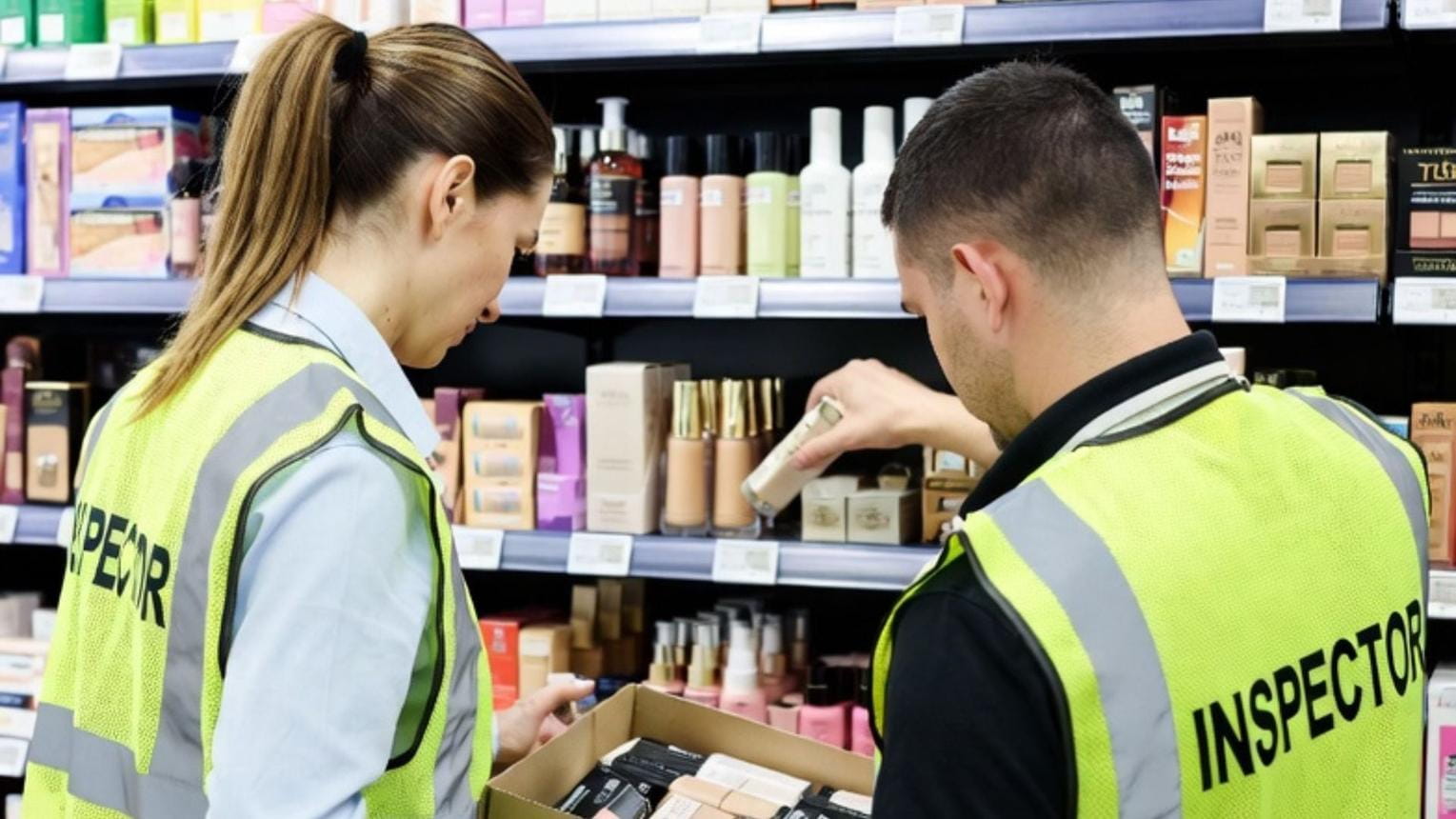
Sitting above the data hub will be a new EU Customs Authority, tasked with pooling information so that national administrations can target the riskiest shipments and coordinate inspections, particularly during crises. The logic is that twenty-seven separate sets of eyes, each seeing only its own slice of the flow, are no match for sellers who route goods through whichever entry point looks least watchful.
For consumers the immediate effect is modest but real: the bargain dress or phone case will cost a few euros more, and may clear customs more slowly while platforms and carriers absorb the new paperwork. For European merchants who have spent years arguing that the rules tilted against them, the symbolism is larger than the sum. The harder question is enforcement. A flat per-item fee is simple to state and fiendish to police across billions of shipments, and the credibility of the whole edifice will rest on whether the promised data hub arrives on schedule in 2028.