Managers who never sign a contract, never walk the floor and never explain a decision have become the target of Europe’s next big labour law. The Commission opened the second stage of its quality jobs consultation on 20 July, and the document puts one question to unions and employers more sharply than any previous text: should the software that hires, ranks, schedules and dismisses workers answer to binding rules in every sector, not just on delivery apps?
The window closes on 28 September. That date carries more weight than it appears to. Under the Treaty procedure the Commission is following, social partners who prefer to negotiate their own binding agreement rather than accept a legislative proposal must declare that intention before the consultation ends. Miss it, and the file returns to the Commission’s drafters. Take it, and Europe’s employers and unions own the outcome for the next two years.
Thirty-four organisations replied in the first round between December and January, twelve of them trade unions and twenty-two employer bodies. The gap between those two camps explains why the Commission has kept the second-stage text deliberately open. It lists four candidate areas rather than a draft directive: algorithmic management and artificial intelligence at work, occupational safety and health, workers’ rights inside subcontracting chains, and enforcement.
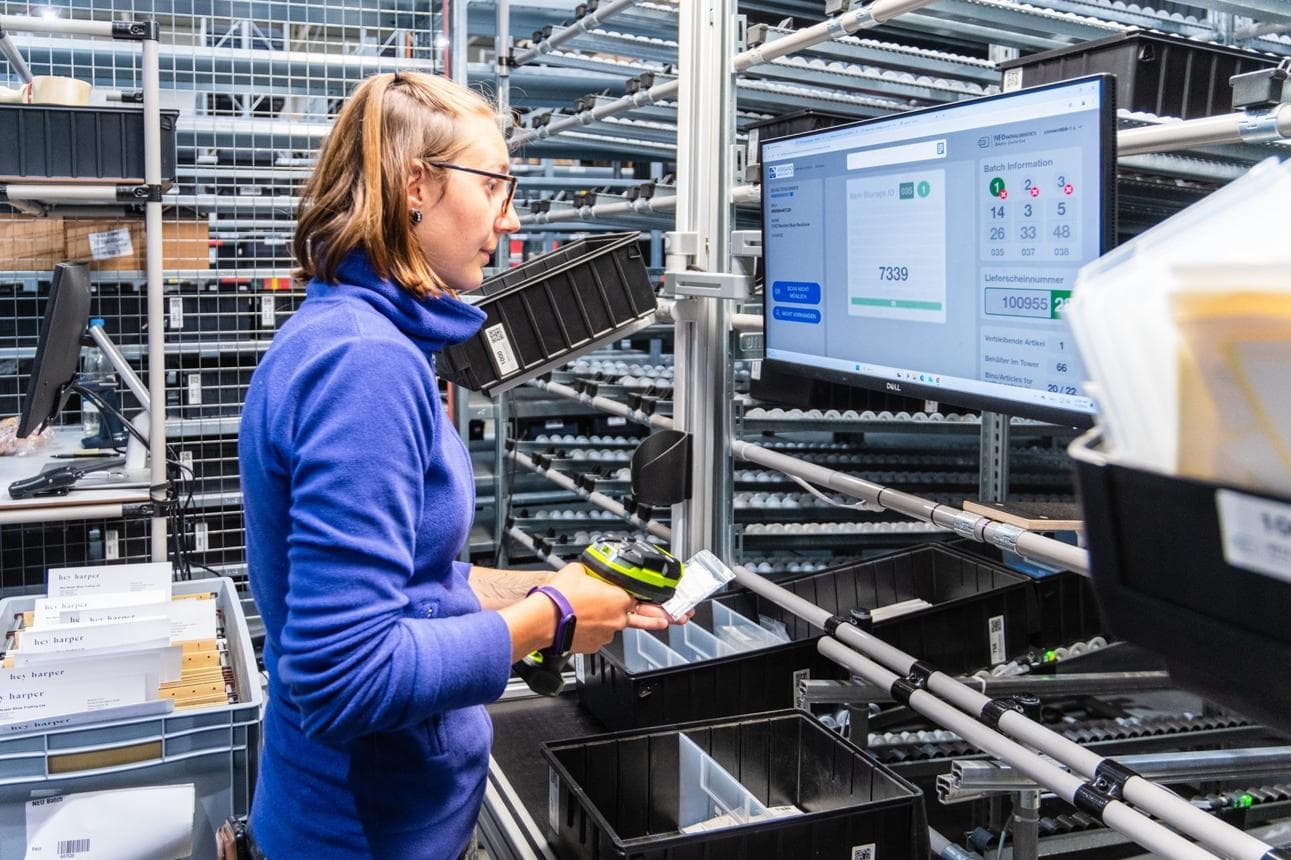
Algorithmic management is the most contested of the four. Europe already regulates it in one place. The platform work rules oblige member states to guarantee human review of automated decisions for people driving cars and carrying food, and national transposition falls due this December. Extending that logic to warehouse pickers, call centre staff, hospital rota systems and office productivity monitoring would touch a far larger share of the workforce, and employers argue it would do so without the evidence base that justified the platform rules.
The safety and health strand reads like a response to the past three summers. The Commission names extreme heat explicitly, alongside psychosocial risk and sexual harassment, and asks whether rules written for factories and offices still work when a laptop on a kitchen table counts as a workplace. Southern member states have pushed for heat thresholds for years. Employers counter that a European figure cannot sensibly govern a Finnish warehouse and a Sicilian building site at the same time.
Subcontracting sits closer to enforcement than to labour standards. The consultation asks about transparency down the chain, joint liability for unpaid wages, and how inspectors trace responsibility when four companies stand between a worker and the client paying the bill. Construction, logistics and meat processing supply most of the case law here, and the trade unions have been asking for chain liability since the posted workers fight.
What complicates all of this is timing. The same Commission that wants a Quality Jobs Act is running a simplification drive that has already thinned reporting duties across sustainability and due diligence law. Business groups have noticed the tension and say so openly. A new instrument that adds obligations on algorithmic transparency, heat protection and subcontracting liability will need to explain how it fits a deregulatory agenda, and the answer so far is that protecting workers and cutting paperwork are separate exercises.
A proposal is expected before the end of the year, unless social partners take the negotiating route and freeze the file. Anyone tracking the text should watch the legislative train entry and the Commission’s own consultation notice, because the September deadline decides who holds the pen.