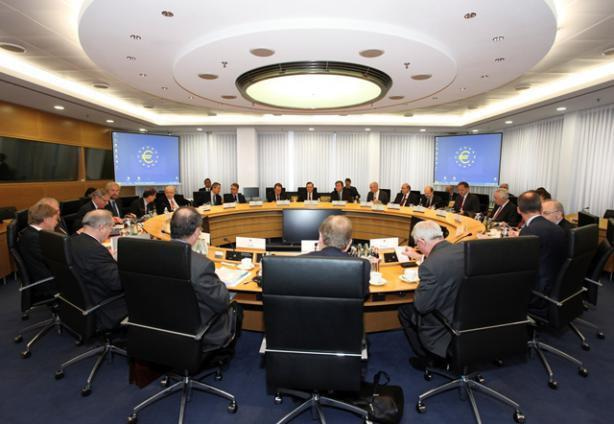
The latest ECB interest rate decision has wrong-footed markets, with the Governing Council raising its three key rates by 25 basis points on 11 June 2026. The deposit facility now stands at 2.25%, a move driven by fresh inflation pressure linked to conflict in the Middle East. It marks a sharp reversal for a central bank that spent much of the previous year cutting.
## Why the ECB interest rate moved higher
The increase took the deposit facility to 2.25%, the main refinancing operations rate to 2.40% and the marginal lending facility to 2.65%, all effective from 17 June 2026.
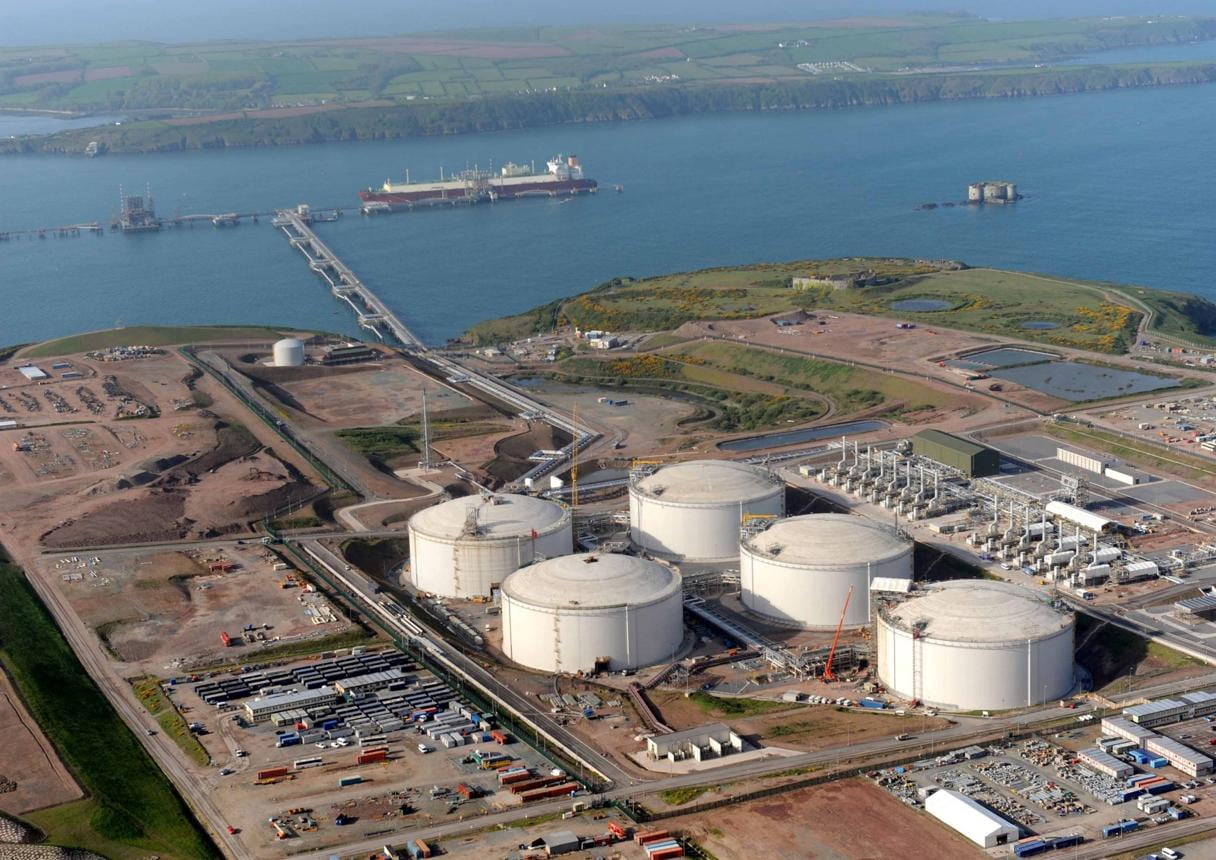
The trigger was energy. War in the Middle East has pushed up oil and gas costs, feeding through into broader prices. The ECB framed the move as robust across a range of scenarios mapping how the shock might evolve, a signal that it is willing to tolerate weaker growth to keep expectations anchored.
## What the new inflation forecasts show
The updated Eurosystem staff projections explain the urgency. Headline inflation is now expected to average 3.0% in 2026, before easing to 2.3% in 2027 and settling at 2.0% in 2028.
Underlying pressure looks stickier. Inflation excluding energy and food is projected at 2.5% in both 2026 and 2027, falling only to 2.2% in 2028. That keeps core inflation above the 2% target well into the forecast horizon and limits the room for early cuts.
## How a digital euro fits the picture
Alongside rates, the Governing Council confirmed it is advancing the digital euro, moving the project into its next phase after completing the preparation phase launched in November 2023.
The timeline still depends on legislators. If EU lawmakers adopt the enabling regulation during 2026, a digital euro could be issued in 2029, giving the bloc a public digital payment option to sit alongside cash.
## What the ECB rate hike means for Brussels
For households, the immediate effect is costlier credit, with mortgages and business loans repricing just as energy bills climb. For governments, higher rates raise borrowing costs at a moment when defence and competitiveness spending are already straining national budgets.
The political friction is obvious. Capitals pressing for looser policy to support growth now face a central bank prioritising price stability, reviving a familiar tension between the ECB’s mandate and the fiscal ambitions debated in the European Parliament.
Markets had largely priced in another cut before the meeting, which is why the reversal jolted bond yields and the euro. Analysts now expect the bank to hold rates through the summer, watching closely whether the energy shock proves temporary or embeds itself in wages and services prices.
## Key takeaways
– The ECB raised all three key rates by 25 basis points, lifting the deposit rate to 2.25%.
– Middle East conflict and energy costs are the main inflation drivers.
– Headline inflation is forecast at 3.0% for 2026, with core inflation proving stickier.
– The digital euro advances to its next phase, with possible issuance in 2029.