September 19, 2026
LATEST
Manila Must Open Public Contracts Before Europe Signs AnythingEurope’s KIDS Act Would Put Parents Back in Charge of AccountsArmenian Apricots Reach Europe Only Through Narrow Tariff QuotasMyanmar’s Crisis Outgrows the Aid Envelope Europe Built for ItJapan Joins Horizon Europe for the Price of a Rounding ErrorIndia’s Trade Deal Now Waits on the Council and Two ParliamentsBeijing Gets an October Date and a Very Short Deliverables ListJudges Strike Down Estonia’s Deposit for European CandidatesSolidarity Fund Pays for Storms Eight Months After the WaterFreight Tariffs Decide Whether the Middle Corridor Reaches ScaleFolding the Diplomatic Service Into the Commission Needs UnanimityCritical Raw Materials Corporation Tests EU StockpilingHeatwave Plan Tests Europe’s Climate Adaptation GapEuropean Security Council Faces a Missing Legal BaseNature Restoration Plans Arrive With a Year of Haggling AheadPlatform Work Rules Arrive in December With Most States UnreadyDominant Firms Face Europe’s First Rulebook on Exclusionary AbuseInnovation Act Reaches Council With EU Preference Still DisputedSecondary Raw Materials Await an Act That Has Not Been TabledRiyadh Gets a Summit Date Before the Gulf Trade Text Is WrittenManila Must Open Public Contracts Before Europe Signs AnythingEurope’s KIDS Act Would Put Parents Back in Charge of AccountsArmenian Apricots Reach Europe Only Through Narrow Tariff QuotasMyanmar’s Crisis Outgrows the Aid Envelope Europe Built for ItJapan Joins Horizon Europe for the Price of a Rounding ErrorIndia’s Trade Deal Now Waits on the Council and Two ParliamentsBeijing Gets an October Date and a Very Short Deliverables ListJudges Strike Down Estonia’s Deposit for European CandidatesSolidarity Fund Pays for Storms Eight Months After the WaterFreight Tariffs Decide Whether the Middle Corridor Reaches ScaleFolding the Diplomatic Service Into the Commission Needs UnanimityCritical Raw Materials Corporation Tests EU StockpilingHeatwave Plan Tests Europe’s Climate Adaptation GapEuropean Security Council Faces a Missing Legal BaseNature Restoration Plans Arrive With a Year of Haggling AheadPlatform Work Rules Arrive in December With Most States UnreadyDominant Firms Face Europe’s First Rulebook on Exclusionary AbuseInnovation Act Reaches Council With EU Preference Still DisputedSecondary Raw Materials Await an Act That Has Not Been TabledRiyadh Gets a Summit Date Before the Gulf Trade Text Is Written
September 19, 2026
LATEST
Manila Must Open Public Contracts Before Europe Signs AnythingEurope’s KIDS Act Would Put Parents Back in Charge of AccountsArmenian Apricots Reach Europe Only Through Narrow Tariff QuotasMyanmar’s Crisis Outgrows the Aid Envelope Europe Built for ItJapan Joins Horizon Europe for the Price of a Rounding ErrorIndia’s Trade Deal Now Waits on the Council and Two ParliamentsBeijing Gets an October Date and a Very Short Deliverables ListJudges Strike Down Estonia’s Deposit for European CandidatesSolidarity Fund Pays for Storms Eight Months After the WaterFreight Tariffs Decide Whether the Middle Corridor Reaches ScaleFolding the Diplomatic Service Into the Commission Needs UnanimityCritical Raw Materials Corporation Tests EU StockpilingHeatwave Plan Tests Europe’s Climate Adaptation GapEuropean Security Council Faces a Missing Legal BaseNature Restoration Plans Arrive With a Year of Haggling AheadPlatform Work Rules Arrive in December With Most States UnreadyDominant Firms Face Europe’s First Rulebook on Exclusionary AbuseInnovation Act Reaches Council With EU Preference Still DisputedSecondary Raw Materials Await an Act That Has Not Been TabledRiyadh Gets a Summit Date Before the Gulf Trade Text Is WrittenManila Must Open Public Contracts Before Europe Signs AnythingEurope’s KIDS Act Would Put Parents Back in Charge of AccountsArmenian Apricots Reach Europe Only Through Narrow Tariff QuotasMyanmar’s Crisis Outgrows the Aid Envelope Europe Built for ItJapan Joins Horizon Europe for the Price of a Rounding ErrorIndia’s Trade Deal Now Waits on the Council and Two ParliamentsBeijing Gets an October Date and a Very Short Deliverables ListJudges Strike Down Estonia’s Deposit for European CandidatesSolidarity Fund Pays for Storms Eight Months After the WaterFreight Tariffs Decide Whether the Middle Corridor Reaches ScaleFolding the Diplomatic Service Into the Commission Needs UnanimityCritical Raw Materials Corporation Tests EU StockpilingHeatwave Plan Tests Europe’s Climate Adaptation GapEuropean Security Council Faces a Missing Legal BaseNature Restoration Plans Arrive With a Year of Haggling AheadPlatform Work Rules Arrive in December With Most States UnreadyDominant Firms Face Europe’s First Rulebook on Exclusionary AbuseInnovation Act Reaches Council With EU Preference Still DisputedSecondary Raw Materials Await an Act That Has Not Been TabledRiyadh Gets a Summit Date Before the Gulf Trade Text Is Written

Ferronickel Supply Puts a Chinese Mining Deal in Doubt

A Chinese state-controlled miner wants two ferronickel plants in Brazil, and the Commission has now said in writing that it is not convinced. The Statement of Objections sent to MMG Limited on 16 September 2026 sets out a preliminary view that the company’s purchase of Anglo American’s nickel business could restrict competition in low-carbon ferronickel, the alloying material that European stainless steel producers depend on. Ferronickel supply, not ownership, is the regulator’s stated worry.

The ownership chain explains why. MMG is controlled by China Minmetals Corporation, which is in turn controlled by SASAC, the Chinese state body that also controls several stainless steel producers. The Commission’s concern is straightforward vertical logic: after the deal, MMG could steer the target’s output towards its SASAC-affiliated mills and away from European buyers who have few alternatives.

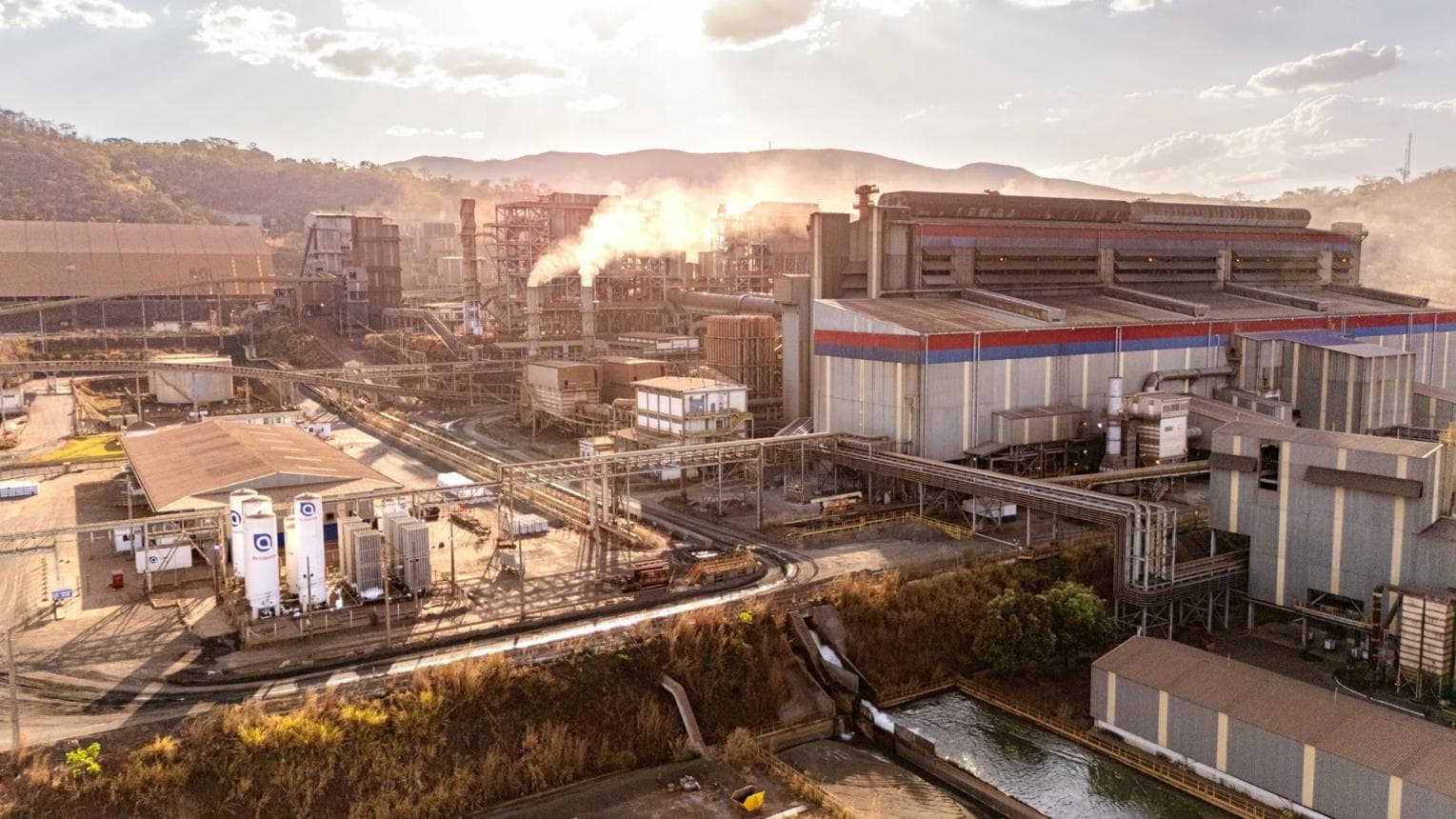
Those alternatives are the crux. Regulators found the low-carbon ferronickel market highly concentrated, with the target holding substantial market power and European customers facing limited alternative sources. The principal asset is Barro Alto in Goiás, a fully integrated open-pit mine with its own smelting and refining, alongside the Codemin operations and greenfield projects at Jacaré and Morro Sem Boné. Integrated low-carbon capacity of that kind is not easily replaced by a spot purchase.

The case is also a marker of how merger review has shifted. A decade ago, a Brazilian mine changing hands between two non-European groups would have drawn a routine clearance. Here the Commission opened a Phase II investigation on 4 November 2025, reviewed internal documents from the parties, and collected data from competitors and customers before reaching a preliminary conclusion. The objections rest on input foreclosure affecting an industrial value chain that Europe has decided it needs.

That framing carries risk as well as logic. Competition law asks whether a transaction significantly impedes effective competition in the European Economic Area, not whether Europe likes the buyer’s shareholder. The Commission has been careful to build the argument on concentration, market power and supply diversion rather than on nationality. Still, the SASAC link appears twice in the first two paragraphs of its own release, and MMG’s lawyers will notice.

Procedure now favours the company in one narrow sense. A Statement of Objections does not prejudge the outcome. MMG can reply in writing, consult the case file and request an oral hearing, and remedies remain available. In comparable foreclosure cases, firms have offered long-term supply agreements to European customers, sometimes with volume floors and price formulas overseen by a monitoring trustee.

Whether that would satisfy regulators is genuinely uncertain. Supply commitments are notoriously hard to police across a decade, and a parent that controls both the mine and the downstream mills has quiet ways to make a contract unattractive without breaching it. A structural remedy, meaning divestment of one of the Brazilian assets, would be cleaner and far less likely to be offered.

The clock is the other variable. Notification came on 16 September 2025, and the Commission must decide by 30 November 2026. That leaves just over two months for a reply, a possible hearing and any remedy negotiation. Case documents sit in the public register under M.11944 for anyone tracking the filings.

Two other Phase II merger investigations are running in parallel, covering the UPM-Kymmene and Sappi joint venture and the proposed Saipem and Subsea7 combination. Three deep investigations at once is not unusual, but the mix says something about where scrutiny has moved: paper, offshore services and now nickel, all inputs rather than consumer markets. The stainless steel sector will read the ferronickel case as the one that matters most.