August 9, 2026
LATEST
New EU Gas Market Rules Take Effect With Consumer SafeguardsDeforestation Regulation Holds Its December Deadline Despite CutsDigital Omnibus Delays Europe’s High-Risk AI Deadline to 2027Europe’s Schools Confront a Widening Basic Skills GapRule of Law Report Finds Progress but Trust Still LagsIRIS2 Gains 66 Satellites as Brussels Signs the Rollout DealNature Restoration Plans Come Due as Member States Race a DeadlineECB Rates Hold at 2.25 Percent as Frankfurt Waits on the DataEU Budget Talks Turn to Cohesion as Ireland Takes OverWildfire Response Stretches Europe’s Emergency Fleet ThinCan Europe’s Quantum Plan Match Its Big Ambitions?Armenia Edges West as Moscow’s Grip Slips AwayEurope Inherits the World’s Aid Bill It Cannot Fully PayAir Passenger Rights Get Their First Overhaul in Two DecadesErasmus Opens a 5 Billion Euro Round for Skills and MobilityCeuta Crisis Pushes the EU Toward Faster Migrant ReturnsBulky Parcels Face a Packaging Crackdown From August 12Can Europe Build Its Drone Wall Before 2030 Arrives?Indonesia’s Trade Deal With Europe Nears Its Final SignatureEurope Leans on Beijing to Keep Climate Talks Alive Before AntalyaNew EU Gas Market Rules Take Effect With Consumer SafeguardsDeforestation Regulation Holds Its December Deadline Despite CutsDigital Omnibus Delays Europe’s High-Risk AI Deadline to 2027Europe’s Schools Confront a Widening Basic Skills GapRule of Law Report Finds Progress but Trust Still LagsIRIS2 Gains 66 Satellites as Brussels Signs the Rollout DealNature Restoration Plans Come Due as Member States Race a DeadlineECB Rates Hold at 2.25 Percent as Frankfurt Waits on the DataEU Budget Talks Turn to Cohesion as Ireland Takes OverWildfire Response Stretches Europe’s Emergency Fleet ThinCan Europe’s Quantum Plan Match Its Big Ambitions?Armenia Edges West as Moscow’s Grip Slips AwayEurope Inherits the World’s Aid Bill It Cannot Fully PayAir Passenger Rights Get Their First Overhaul in Two DecadesErasmus Opens a 5 Billion Euro Round for Skills and MobilityCeuta Crisis Pushes the EU Toward Faster Migrant ReturnsBulky Parcels Face a Packaging Crackdown From August 12Can Europe Build Its Drone Wall Before 2030 Arrives?Indonesia’s Trade Deal With Europe Nears Its Final SignatureEurope Leans on Beijing to Keep Climate Talks Alive Before Antalya
August 9, 2026
LATEST
New EU Gas Market Rules Take Effect With Consumer SafeguardsDeforestation Regulation Holds Its December Deadline Despite CutsDigital Omnibus Delays Europe’s High-Risk AI Deadline to 2027Europe’s Schools Confront a Widening Basic Skills GapRule of Law Report Finds Progress but Trust Still LagsIRIS2 Gains 66 Satellites as Brussels Signs the Rollout DealNature Restoration Plans Come Due as Member States Race a DeadlineECB Rates Hold at 2.25 Percent as Frankfurt Waits on the DataEU Budget Talks Turn to Cohesion as Ireland Takes OverWildfire Response Stretches Europe’s Emergency Fleet ThinCan Europe’s Quantum Plan Match Its Big Ambitions?Armenia Edges West as Moscow’s Grip Slips AwayEurope Inherits the World’s Aid Bill It Cannot Fully PayAir Passenger Rights Get Their First Overhaul in Two DecadesErasmus Opens a 5 Billion Euro Round for Skills and MobilityCeuta Crisis Pushes the EU Toward Faster Migrant ReturnsBulky Parcels Face a Packaging Crackdown From August 12Can Europe Build Its Drone Wall Before 2030 Arrives?Indonesia’s Trade Deal With Europe Nears Its Final SignatureEurope Leans on Beijing to Keep Climate Talks Alive Before AntalyaNew EU Gas Market Rules Take Effect With Consumer SafeguardsDeforestation Regulation Holds Its December Deadline Despite CutsDigital Omnibus Delays Europe’s High-Risk AI Deadline to 2027Europe’s Schools Confront a Widening Basic Skills GapRule of Law Report Finds Progress but Trust Still LagsIRIS2 Gains 66 Satellites as Brussels Signs the Rollout DealNature Restoration Plans Come Due as Member States Race a DeadlineECB Rates Hold at 2.25 Percent as Frankfurt Waits on the DataEU Budget Talks Turn to Cohesion as Ireland Takes OverWildfire Response Stretches Europe’s Emergency Fleet ThinCan Europe’s Quantum Plan Match Its Big Ambitions?Armenia Edges West as Moscow’s Grip Slips AwayEurope Inherits the World’s Aid Bill It Cannot Fully PayAir Passenger Rights Get Their First Overhaul in Two DecadesErasmus Opens a 5 Billion Euro Round for Skills and MobilityCeuta Crisis Pushes the EU Toward Faster Migrant ReturnsBulky Parcels Face a Packaging Crackdown From August 12Can Europe Build Its Drone Wall Before 2030 Arrives?Indonesia’s Trade Deal With Europe Nears Its Final SignatureEurope Leans on Beijing to Keep Climate Talks Alive Before Antalya

Four Governments Face Court and Warnings Over EU Energy Law

Enforcement, not legislation, is increasingly where the European Union’s climate ambitions are tested, and the latest batch of infringement decisions makes the point bluntly. The Commission has escalated action against several member states for failing to keep pace with energy and climate law, signalling that the gap between agreed targets and national delivery is narrowing its patience.

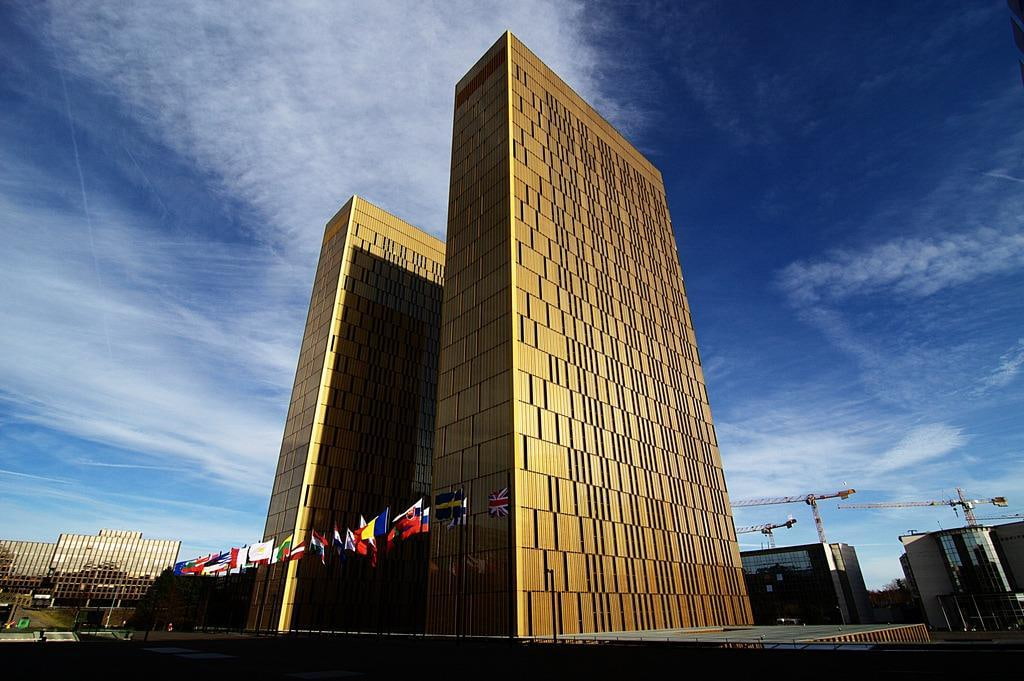
At the sharp end, the Commission is referring two governments to the Court of Justice and asking for financial penalties over their handling of the Emissions Trading System, the carbon market that sits at the centre of the bloc’s decarbonisation strategy. Referral with a request for sanctions is the heaviest tool in the enforcement kit, reserved for cases where reasoned opinions and formal notices have already failed to produce compliance. It means the states concerned now face the prospect of daily or lump-sum fines if the Court agrees they have fallen short.

A separate strand of the package targets the recast Energy Efficiency Directive, the 2023 law that raised the bloc’s ambition on cutting overall energy use. Two further governments received reasoned opinions for failing to transpose its provisions fully into national law, a formal step that gives them a limited window to act before the file too can be sent to Luxembourg. Transposition failures are unglamorous but consequential: a directive that exists on paper in Brussels but not in national statute books delivers none of the promised savings.

The pattern is familiar to anyone who follows the machinery of EU compliance. Ambitious framework laws are agreed with fanfare, then stall in the slow business of national implementation, where competing priorities, administrative bottlenecks and political reluctance all take their toll. The Commission’s infringement packages, issued at intervals through the year, are the drip-feed by which it tries to keep that process moving, escalating from letters to opinions to court referrals as patience runs out.

What gives this round its edge is the subject matter. Energy efficiency and the carbon market are not peripheral files; they are load-bearing pillars of the commitment to cut emissions across the decade. Every year of delayed transposition or lax carbon-market administration chips away at the credibility of the headline targets, and the Commission knows that its own promises look hollow if member states can miss deadlines without consequence.

For the governments named, the choices are narrowing. Reasoned opinions can still be answered by belated compliance, closing the file before it reaches a courtroom. Referrals with sanctions are harder to escape, and even a favourable settlement tends to arrive only after months of legal wrangling and reputational cost. The financial exposure, while rarely ruinous, is real, and it lands at a time when several capitals are already fighting over how to fund the green transition without provoking a public backlash.

There is a wider lesson in the timing. As the Union debates the next phase of its climate framework, including contentious targets for the years ahead, the enforcement record of the current rules becomes part of the argument. Skeptics point to uneven implementation as evidence that ever more ambitious goals are unrealistic. Supporters argue the answer is not lower ambition but firmer enforcement, exactly the kind on display in this package. Which reading prevails will shape how hard the next set of targets bites, and whether the Union can turn its climate promises into measurable cuts rather than court cases.