August 9, 2026
LATEST
Can Europe’s New Zealand Deal Anchor It in the Pacific?Chip Research Binds Europe and South Korea CloserMinimum Prices Replace Tariffs in Europe’s China Car DealBrussels and Beijing Keep Talking While the Trade Gap WidensKorean Weapons and EU Loans Now Bankroll Europe’s RearmamentNew EU Gas Market Rules Take Effect With Consumer SafeguardsDeforestation Regulation Holds Its December Deadline Despite CutsDigital Omnibus Delays Europe’s High-Risk AI Deadline to 2027Europe’s Schools Confront a Widening Basic Skills GapRule of Law Report Finds Progress but Trust Still LagsIRIS2 Gains 66 Satellites as Brussels Signs the Rollout DealNature Restoration Plans Come Due as Member States Race a DeadlineECB Rates Hold at 2.25 Percent as Frankfurt Waits on the DataEU Budget Talks Turn to Cohesion as Ireland Takes OverWildfire Response Stretches Europe’s Emergency Fleet ThinCan Europe’s Quantum Plan Match Its Big Ambitions?Armenia Edges West as Moscow’s Grip Slips AwayEurope Inherits the World’s Aid Bill It Cannot Fully PayAir Passenger Rights Get Their First Overhaul in Two DecadesErasmus Opens a 5 Billion Euro Round for Skills and MobilityCan Europe’s New Zealand Deal Anchor It in the Pacific?Chip Research Binds Europe and South Korea CloserMinimum Prices Replace Tariffs in Europe’s China Car DealBrussels and Beijing Keep Talking While the Trade Gap WidensKorean Weapons and EU Loans Now Bankroll Europe’s RearmamentNew EU Gas Market Rules Take Effect With Consumer SafeguardsDeforestation Regulation Holds Its December Deadline Despite CutsDigital Omnibus Delays Europe’s High-Risk AI Deadline to 2027Europe’s Schools Confront a Widening Basic Skills GapRule of Law Report Finds Progress but Trust Still LagsIRIS2 Gains 66 Satellites as Brussels Signs the Rollout DealNature Restoration Plans Come Due as Member States Race a DeadlineECB Rates Hold at 2.25 Percent as Frankfurt Waits on the DataEU Budget Talks Turn to Cohesion as Ireland Takes OverWildfire Response Stretches Europe’s Emergency Fleet ThinCan Europe’s Quantum Plan Match Its Big Ambitions?Armenia Edges West as Moscow’s Grip Slips AwayEurope Inherits the World’s Aid Bill It Cannot Fully PayAir Passenger Rights Get Their First Overhaul in Two DecadesErasmus Opens a 5 Billion Euro Round for Skills and Mobility
August 9, 2026
LATEST
Can Europe’s New Zealand Deal Anchor It in the Pacific?Chip Research Binds Europe and South Korea CloserMinimum Prices Replace Tariffs in Europe’s China Car DealBrussels and Beijing Keep Talking While the Trade Gap WidensKorean Weapons and EU Loans Now Bankroll Europe’s RearmamentNew EU Gas Market Rules Take Effect With Consumer SafeguardsDeforestation Regulation Holds Its December Deadline Despite CutsDigital Omnibus Delays Europe’s High-Risk AI Deadline to 2027Europe’s Schools Confront a Widening Basic Skills GapRule of Law Report Finds Progress but Trust Still LagsIRIS2 Gains 66 Satellites as Brussels Signs the Rollout DealNature Restoration Plans Come Due as Member States Race a DeadlineECB Rates Hold at 2.25 Percent as Frankfurt Waits on the DataEU Budget Talks Turn to Cohesion as Ireland Takes OverWildfire Response Stretches Europe’s Emergency Fleet ThinCan Europe’s Quantum Plan Match Its Big Ambitions?Armenia Edges West as Moscow’s Grip Slips AwayEurope Inherits the World’s Aid Bill It Cannot Fully PayAir Passenger Rights Get Their First Overhaul in Two DecadesErasmus Opens a 5 Billion Euro Round for Skills and MobilityCan Europe’s New Zealand Deal Anchor It in the Pacific?Chip Research Binds Europe and South Korea CloserMinimum Prices Replace Tariffs in Europe’s China Car DealBrussels and Beijing Keep Talking While the Trade Gap WidensKorean Weapons and EU Loans Now Bankroll Europe’s RearmamentNew EU Gas Market Rules Take Effect With Consumer SafeguardsDeforestation Regulation Holds Its December Deadline Despite CutsDigital Omnibus Delays Europe’s High-Risk AI Deadline to 2027Europe’s Schools Confront a Widening Basic Skills GapRule of Law Report Finds Progress but Trust Still LagsIRIS2 Gains 66 Satellites as Brussels Signs the Rollout DealNature Restoration Plans Come Due as Member States Race a DeadlineECB Rates Hold at 2.25 Percent as Frankfurt Waits on the DataEU Budget Talks Turn to Cohesion as Ireland Takes OverWildfire Response Stretches Europe’s Emergency Fleet ThinCan Europe’s Quantum Plan Match Its Big Ambitions?Armenia Edges West as Moscow’s Grip Slips AwayEurope Inherits the World’s Aid Bill It Cannot Fully PayAir Passenger Rights Get Their First Overhaul in Two DecadesErasmus Opens a 5 Billion Euro Round for Skills and Mobility

From July, A Scan Will Decide What Counts As Repairable

A washing machine bought this autumn will arrive carrying something it has never had before: a verified digital record of how it was made, how long it should last and how easily it can be fixed. From 19 July the European Union switches on the infrastructure behind that promise, and the change runs far deeper than the QR code that delivers it.

Three rules land within a fortnight of one another, and together they rewrite the relationship between manufacturers and the things they sell. On 19 July the Commission activates the Digital Product Passport registry, the spine of the Ecodesign for Sustainable Products Regulation adopted in 2024. The same day, a ban on destroying unsold clothing, footwear and accessories takes effect for the largest firms. Twelve days later, on 31 July, the Right to Repair Directive becomes enforceable across all twenty-seven member states.

The passport is the quiet revolution. For years, environmental claims printed on packaging have been almost impossible to check, and analysts expect a large share of today’s green marketing to wilt once a machine-readable record sits behind every assertion. A shopper scanning a code will be able to see recycled content, repairability and origin, and a regulator will be able to see whether the numbers add up. The burden of proof shifts from the consumer who doubts a claim to the company that makes it.

The destruction ban tackles a habit the fashion industry rarely discussed in public. Brands have routinely shredded or incinerated unsold stock to protect prices and a sense of exclusivity. From this summer, large companies must instead resell, donate or otherwise prevent the waste of apparel and shoes, with narrow exemptions only for goods that are genuinely unsafe or damaged. Medium-sized firms have until 2030, a phasing that acknowledges the compliance cost while refusing to let it become an excuse.

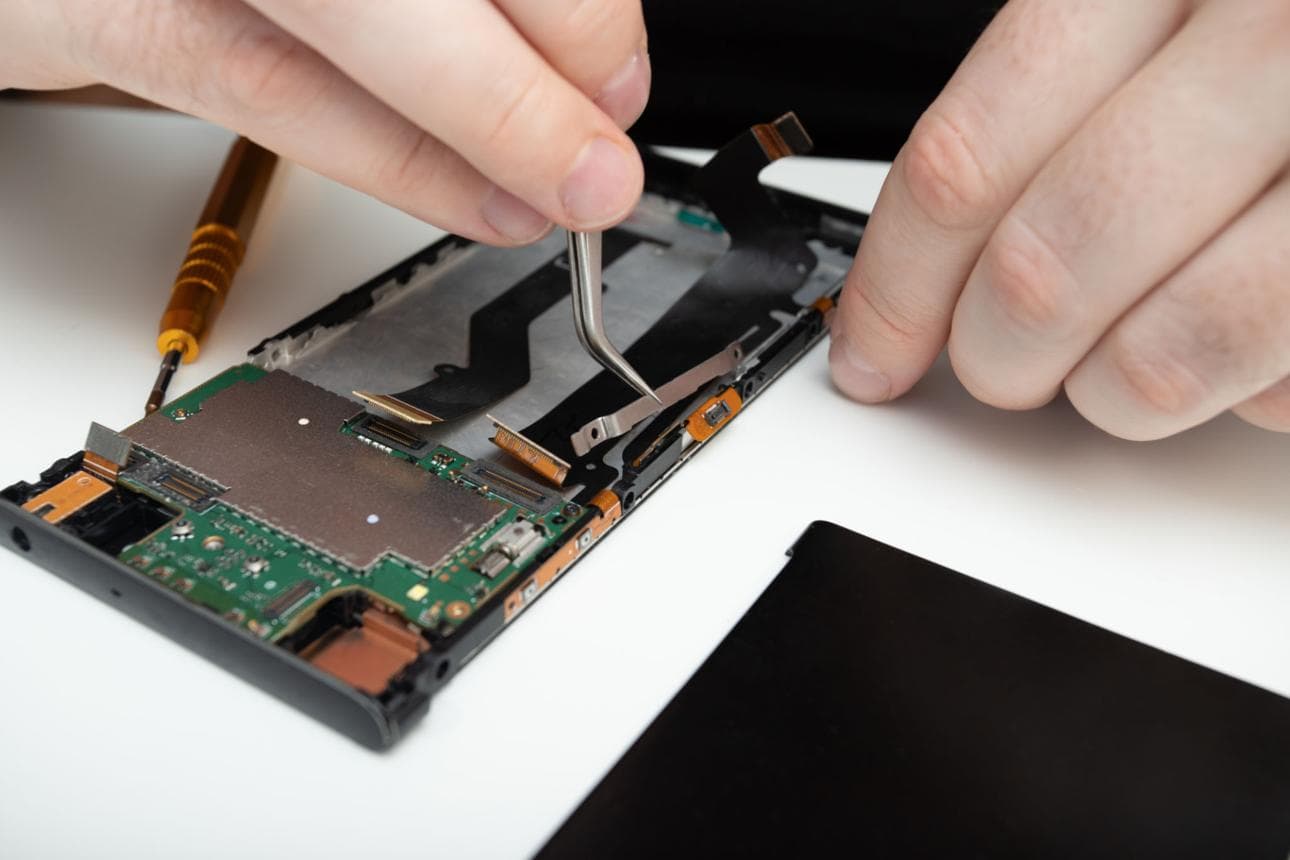
The repair directive completes the trio. Manufacturers of washing machines, refrigerators, vacuum cleaners, smartphones and similar everyday goods will face an obligation to repair within the legal guarantee period and, in many cases, beyond it. Independent repairers gain better access to spare parts and information, chipping away at a model that has long made replacement cheaper and easier than mending.

None of this arrives without friction. Smaller producers warn that assembling a credible passport for every product line is a serious administrative lift, and the registry’s value depends entirely on enforcement that member states have yet to resource evenly. A code that points to unverified data would simply move the credibility problem online. Industry groups have also questioned whether repair networks can scale quickly enough to meet the new demand without long waits and rising prices.

Yet the direction is unmistakable. The Commission is already preparing to extend repair obligations to furniture, clothing, tyres and mattresses, and a Circular Economy Act due later this year aims to build a genuine single market for recycled raw materials. The textile sector faces its own extended producer responsibility regime, which forces brands to help fund the collection and treatment of the waste they generate.

Taken separately, each measure looks technical. Taken together, they amount to a wager that durability and transparency can become a competitive advantage rather than a cost. The coming year will reveal whether the data behind the codes is trustworthy, and whether enforcement matches ambition. Until then, the most consequential object in European retail may be the small black square printed quietly on the box.