Members of the European Parliament spent twenty-one months studying foreign interference and produced a document that, for all its ambition, asks the Commission to formalise something already running. The plenary adopted the special committee’s report on the Democracy Shield on 15 September by 420 votes to 220, with 26 abstentions, closing a mandate that began in December 2024.
The report is an own-initiative text, which means it binds nobody. Its central demand is nonetheless concrete. The special committee wants the EU Centre for Democratic Resilience anchored in a binding legal act, with defined operational parameters, a dedicated budget and governance that includes every member state, rather than existing as an administrative construct inside the Commission.
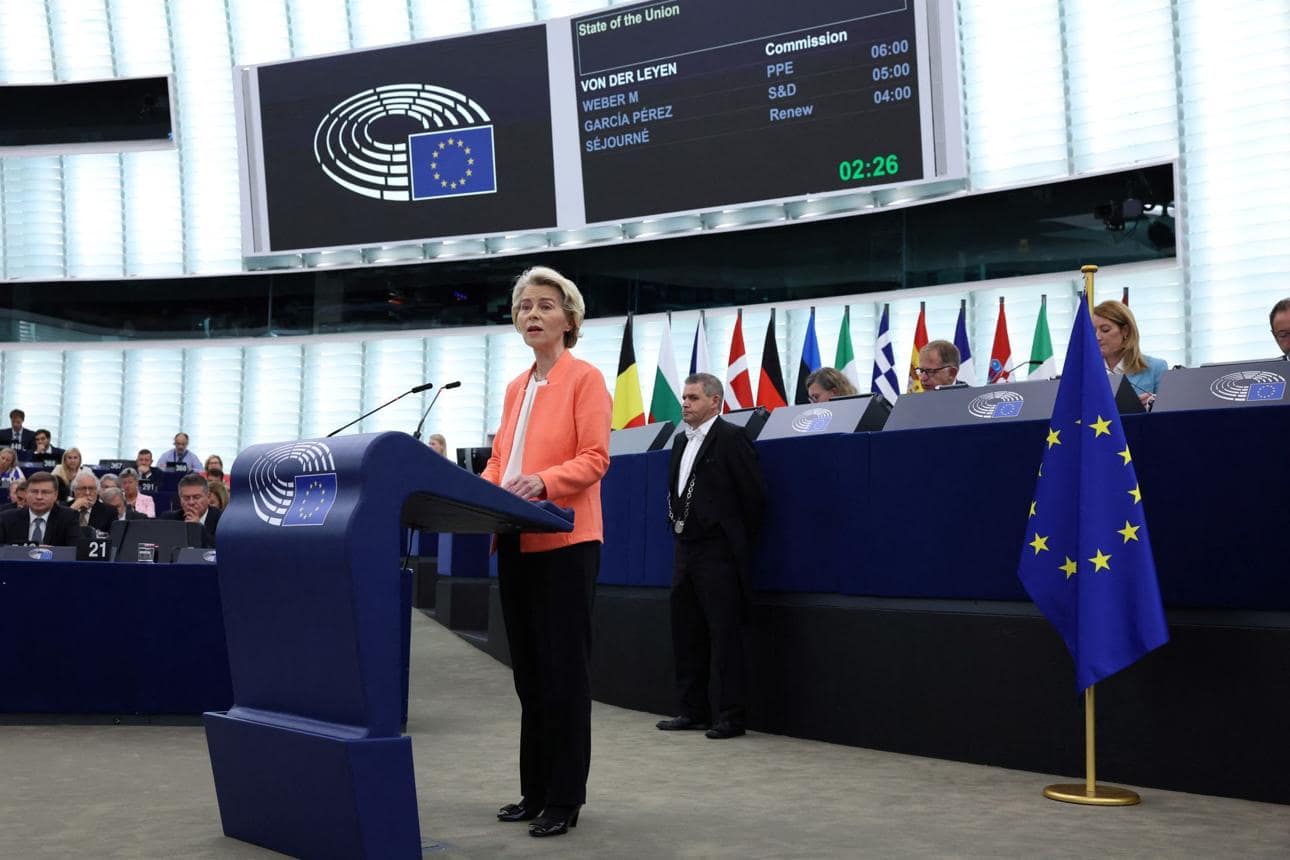
Commissioner Michael McGrath told the chamber that the Centre has operated since February and that all member states have joined, with candidate and potential candidate countries to follow. He also conceded the substance of Parliament’s complaint by calling for a budget matching the ambition. That exchange captures the real argument. Nobody in the room disputed that the body should exist; the fight concerns whether a future Commission could quietly shrink it, which a regulation would prevent and an internal decision would not.
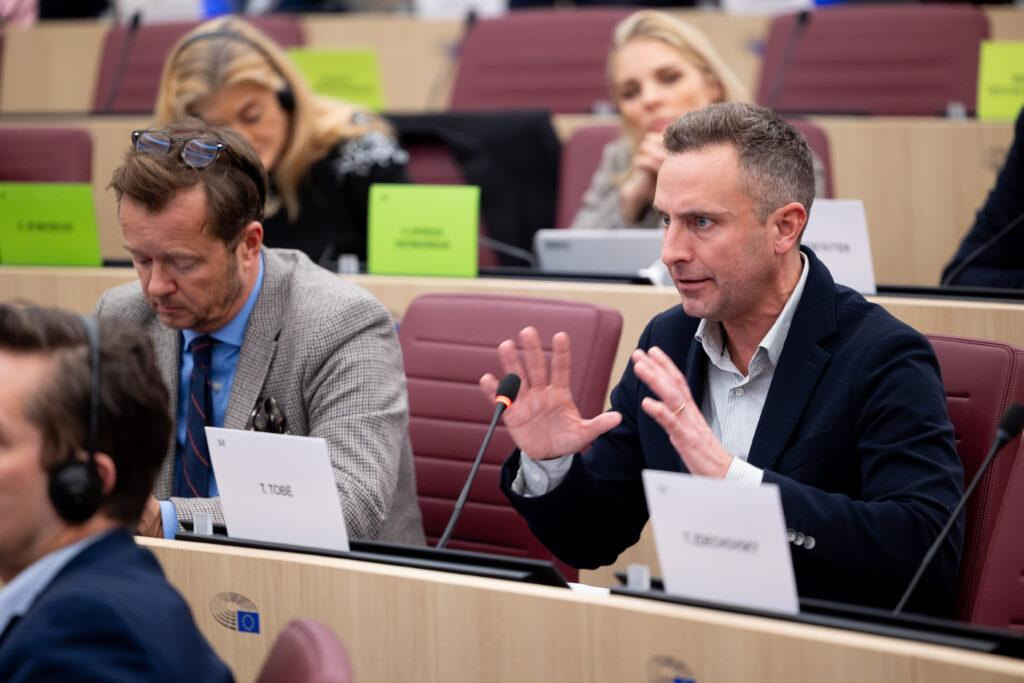
Rapporteur Tomas Tobe, a Swedish member of the European People’s Party, built the text around a threat assessment that names Russia as the principal danger to democratic integrity, citing cyber-attacks, sabotage, espionage and hybrid operations. Belarus, China, Iran and North Korea follow. Members want the sanctions architecture extended to cover those who facilitate disinformation, not only those who produce it, and they want critical infrastructure protection tightened accordingly. Parliament’s June committee vote passed by 20 to nine with two abstentions, a much narrower margin than the plenary result suggests.
On the digital side the report asks for enforcement rather than new legislation. It presses the Commission to apply the Digital Services Act and the artificial intelligence rulebook more aggressively during election periods, to force platforms to move faster against automated networks and coordinated campaigns, and to treat synthetic media as an electoral problem rather than a content-moderation curiosity. Members also propose classifying electoral infrastructure as critical infrastructure and tightening rules on illicit political funding.
The opposition is where the vote becomes interesting. The European Conservatives and Reformists, Patriots for Europe, Europe of Sovereign Nations and The Left all voted against, an alignment that almost never occurs on any other file. Their objections differ sharply. The right reads the Shield as a licence for institutions to define acceptable political speech, while the left distrusts an enforcement apparatus that hands more discretionary power to platforms and security services. Tobe rejected the charge directly, telling members that Russian bots do not constitute freedom of expression.
He is right about bots and evasive about the harder cases. Automated amplification is easy to identify and easy to condemn. The difficulty sits with domestic actors who repeat foreign narratives sincerely, where any enforcement mechanism must distinguish a paid operation from an ordinary voter with unpopular opinions. The report gestures at investigative journalism, media literacy and transparency as the answer, and those are the right instincts, but they are also the slowest tools available and the least likely to attract funding.
What happens next depends on the Commission. The Centre for Democratic Resilience already publishes common methodologies and trains national officials, so the institutional work is underway. Turning it into a legal act would require a proposal, a Council position and a negotiation that reopens every sovereignty argument aired this week. Members have set a marker. Whether the College picks it up before the next budget cycle is the question the vote did not answer.