August 22, 2026
LATEST
What the EU Taiwan Framework Would Actually Have to DoKorea Signed a Digital Trade Deal That Nobody Has RatifiedCritical Minerals in Mongolia Still Have to Cross Two BordersCan an Indonesia Trade Deal Survive Two Years of RatifyingCross-Border Data Orders Went Live Before the Plumbing DidPlatform Work Rules Take Effect in December and Few Are ReadyCan Europe’s Firefighting Fleet Keep Pace With EU WildfiresThe AI Act Deadline Passed on 2 August and Nothing BitWhy Construction Keeps Shrinking While Confidence ImprovesAccession Talks Stall Again and September 1 Is the TestBrussels Applied a Trade Deal It Cannot Yet RatifyAfrica’s Power Market Now Needs Money More Than BlueprintsLong-Term Budget Talks Enter Autumn Without a Council LineForeign Subsidies Enforcement Now Turns on a Dublin RaidWho Writes Europe’s Telecom Rules Once Copper DisappearsDisability Cards Exist on Paper and Nowhere Else Until 2028Losing Visa-Free Travel Now Takes a Thirty Percent SwingTwenty Flagship Actions Will Test Whether the Culture Compass WorksEurope’s Quality Jobs Act Now Rests on What Unions Do by SeptemberDoes a Three Euro Parcel Duty Change Anything About Cheap ImportsWhat the EU Taiwan Framework Would Actually Have to DoKorea Signed a Digital Trade Deal That Nobody Has RatifiedCritical Minerals in Mongolia Still Have to Cross Two BordersCan an Indonesia Trade Deal Survive Two Years of RatifyingCross-Border Data Orders Went Live Before the Plumbing DidPlatform Work Rules Take Effect in December and Few Are ReadyCan Europe’s Firefighting Fleet Keep Pace With EU WildfiresThe AI Act Deadline Passed on 2 August and Nothing BitWhy Construction Keeps Shrinking While Confidence ImprovesAccession Talks Stall Again and September 1 Is the TestBrussels Applied a Trade Deal It Cannot Yet RatifyAfrica’s Power Market Now Needs Money More Than BlueprintsLong-Term Budget Talks Enter Autumn Without a Council LineForeign Subsidies Enforcement Now Turns on a Dublin RaidWho Writes Europe’s Telecom Rules Once Copper DisappearsDisability Cards Exist on Paper and Nowhere Else Until 2028Losing Visa-Free Travel Now Takes a Thirty Percent SwingTwenty Flagship Actions Will Test Whether the Culture Compass WorksEurope’s Quality Jobs Act Now Rests on What Unions Do by SeptemberDoes a Three Euro Parcel Duty Change Anything About Cheap Imports
August 22, 2026
LATEST
What the EU Taiwan Framework Would Actually Have to DoKorea Signed a Digital Trade Deal That Nobody Has RatifiedCritical Minerals in Mongolia Still Have to Cross Two BordersCan an Indonesia Trade Deal Survive Two Years of RatifyingCross-Border Data Orders Went Live Before the Plumbing DidPlatform Work Rules Take Effect in December and Few Are ReadyCan Europe’s Firefighting Fleet Keep Pace With EU WildfiresThe AI Act Deadline Passed on 2 August and Nothing BitWhy Construction Keeps Shrinking While Confidence ImprovesAccession Talks Stall Again and September 1 Is the TestBrussels Applied a Trade Deal It Cannot Yet RatifyAfrica’s Power Market Now Needs Money More Than BlueprintsLong-Term Budget Talks Enter Autumn Without a Council LineForeign Subsidies Enforcement Now Turns on a Dublin RaidWho Writes Europe’s Telecom Rules Once Copper DisappearsDisability Cards Exist on Paper and Nowhere Else Until 2028Losing Visa-Free Travel Now Takes a Thirty Percent SwingTwenty Flagship Actions Will Test Whether the Culture Compass WorksEurope’s Quality Jobs Act Now Rests on What Unions Do by SeptemberDoes a Three Euro Parcel Duty Change Anything About Cheap ImportsWhat the EU Taiwan Framework Would Actually Have to DoKorea Signed a Digital Trade Deal That Nobody Has RatifiedCritical Minerals in Mongolia Still Have to Cross Two BordersCan an Indonesia Trade Deal Survive Two Years of RatifyingCross-Border Data Orders Went Live Before the Plumbing DidPlatform Work Rules Take Effect in December and Few Are ReadyCan Europe’s Firefighting Fleet Keep Pace With EU WildfiresThe AI Act Deadline Passed on 2 August and Nothing BitWhy Construction Keeps Shrinking While Confidence ImprovesAccession Talks Stall Again and September 1 Is the TestBrussels Applied a Trade Deal It Cannot Yet RatifyAfrica’s Power Market Now Needs Money More Than BlueprintsLong-Term Budget Talks Enter Autumn Without a Council LineForeign Subsidies Enforcement Now Turns on a Dublin RaidWho Writes Europe’s Telecom Rules Once Copper DisappearsDisability Cards Exist on Paper and Nowhere Else Until 2028Losing Visa-Free Travel Now Takes a Thirty Percent SwingTwenty Flagship Actions Will Test Whether the Culture Compass WorksEurope’s Quality Jobs Act Now Rests on What Unions Do by SeptemberDoes a Three Euro Parcel Duty Change Anything About Cheap Imports

Seizure Orders Mean Little When the Money Has Already Left

Two people sit under house arrest in Milan, and a judge has ordered the seizure of assets worth more than 33 million euros. The problem is that the assets are not there. Investigators found almost nothing in Italy attributable to the suspects, so the order stands mostly on paper. That single detail exposes the widest gap in Europe’s fight against VAT fraud: prosecutors are getting much better at proving the crime and no better at recovering the proceeds.

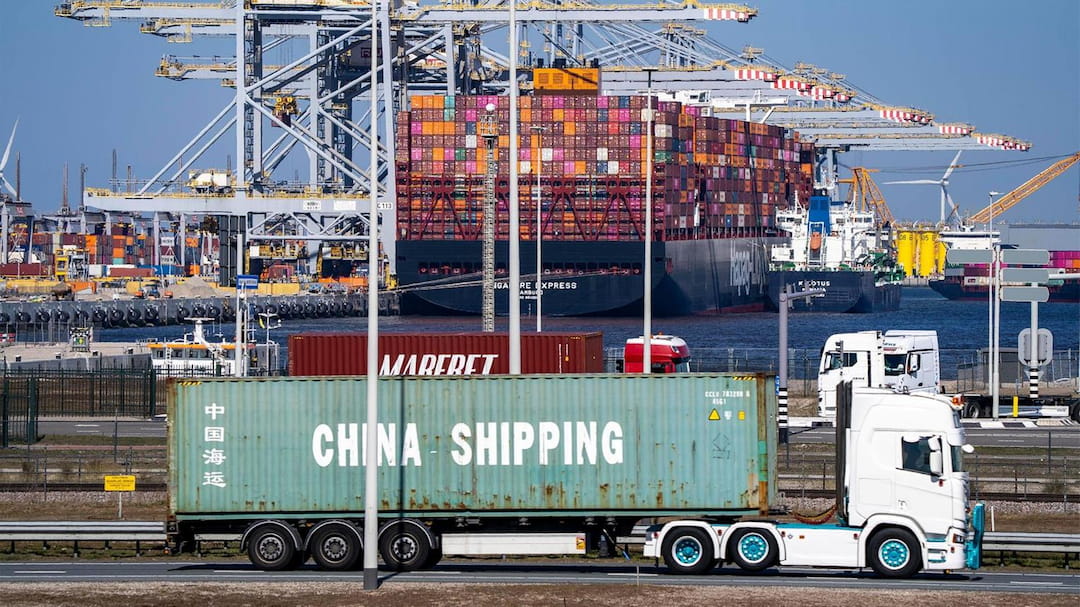
The case itself follows a pattern that customs officers in northern Italy know well. According to the European Public Prosecutor’s Office in Venice, a couple based in Milan controlled a shifting group of companies from 2019 onwards. Those firms declared that they bought clothing from domestic Italian suppliers. In reality the goods travelled from China along routes that skipped Italy’s tax and customs systems entirely. The paper trail existed to launder the arrival of the stock, not to record it. Most of the missing traders in the chain booked millions in sales and filed nothing.

Italy’s Guardia di Finanza and the EPPO put the evaded VAT above 33.4 million euros. Set that against the office’s own caseload and the number stops looking large. The EPPO closed 2025 with 3,602 active investigations and estimated damage of 67.27 billion euros, of which roughly 45 billion sits in VAT and customs fraud. New cases rose by 35 percent in a single year. The prosecutors are not short of work, and their conviction rate hovers near 95 percent.

Conviction is not the same as restitution. When a fraud network operates through short-lived shell companies and moves cash outside the EU, a domestic seizure order arrives years after the money has gone. Member states still handle asset recovery through national rules and national registries, and cross-border tracing depends on cooperation that varies sharply by capital. Brussels has legislated on confiscation, most recently through the 2024 asset recovery directive, but transposition deadlines fall in 2026 and the practical machinery lags behind the legal text.

This matters for the EU budget in a direct way. VAT receipts feed the own resources that finance the Union, so every carousel scheme shifts the burden onto contributions from national treasuries. It also matters for the single market. Importers who pay their duties compete against rivals whose margins depend on evasion, and clothing is exactly the sector where thin margins decide who survives. Legitimate wholesalers in Lombardy have complained for years that enforcement arrives after the undercutting has already reshaped the market.

The timing sharpens the question. Laura Codruta Kovesi’s mandate as European Chief Prosecutor ends on 30 October, and Andres Ritter takes over on 1 November after the Council and Parliament confirmed him in March. Ritter has spent six years as deputy chief prosecutor and previously ran a specialised economic and cybercrime prosecution office in Rostock. He inherits an office that has proved its investigative reach and now needs budget, staff and faster mutual recognition of seizure orders to convert findings into recovered euros.

Sceptics will argue that recovery rates were always going to be low in schemes designed around insolvency, and they have a point. Even so, an enforcement system that measures success in indictments while losing the money invites a reasonable objection from taxpayers. The next chief prosecutor will be judged less on how many cases open and more on how much comes back.