August 9, 2026
LATEST
Pension Savings Rules Get a Reset as the EU Scraps the 1% CapMedicine Shortages Move to the Heart of Europe’s Pharma ResetJapan Becomes Europe’s Closest Security Partner in AsiaCan Europe’s New Zealand Deal Anchor It in the Pacific?Chip Research Binds Europe and South Korea CloserMinimum Prices Replace Tariffs in Europe’s China Car DealBrussels and Beijing Keep Talking While the Trade Gap WidensKorean Weapons and EU Loans Now Bankroll Europe’s RearmamentNew EU Gas Market Rules Take Effect With Consumer SafeguardsDeforestation Regulation Holds Its December Deadline Despite CutsDigital Omnibus Delays Europe’s High-Risk AI Deadline to 2027Europe’s Schools Confront a Widening Basic Skills GapRule of Law Report Finds Progress but Trust Still LagsIRIS2 Gains 66 Satellites as Brussels Signs the Rollout DealNature Restoration Plans Come Due as Member States Race a DeadlineECB Rates Hold at 2.25 Percent as Frankfurt Waits on the DataEU Budget Talks Turn to Cohesion as Ireland Takes OverWildfire Response Stretches Europe’s Emergency Fleet ThinCan Europe’s Quantum Plan Match Its Big Ambitions?Armenia Edges West as Moscow’s Grip Slips AwayPension Savings Rules Get a Reset as the EU Scraps the 1% CapMedicine Shortages Move to the Heart of Europe’s Pharma ResetJapan Becomes Europe’s Closest Security Partner in AsiaCan Europe’s New Zealand Deal Anchor It in the Pacific?Chip Research Binds Europe and South Korea CloserMinimum Prices Replace Tariffs in Europe’s China Car DealBrussels and Beijing Keep Talking While the Trade Gap WidensKorean Weapons and EU Loans Now Bankroll Europe’s RearmamentNew EU Gas Market Rules Take Effect With Consumer SafeguardsDeforestation Regulation Holds Its December Deadline Despite CutsDigital Omnibus Delays Europe’s High-Risk AI Deadline to 2027Europe’s Schools Confront a Widening Basic Skills GapRule of Law Report Finds Progress but Trust Still LagsIRIS2 Gains 66 Satellites as Brussels Signs the Rollout DealNature Restoration Plans Come Due as Member States Race a DeadlineECB Rates Hold at 2.25 Percent as Frankfurt Waits on the DataEU Budget Talks Turn to Cohesion as Ireland Takes OverWildfire Response Stretches Europe’s Emergency Fleet ThinCan Europe’s Quantum Plan Match Its Big Ambitions?Armenia Edges West as Moscow’s Grip Slips Away
August 9, 2026
LATEST
Pension Savings Rules Get a Reset as the EU Scraps the 1% CapMedicine Shortages Move to the Heart of Europe’s Pharma ResetJapan Becomes Europe’s Closest Security Partner in AsiaCan Europe’s New Zealand Deal Anchor It in the Pacific?Chip Research Binds Europe and South Korea CloserMinimum Prices Replace Tariffs in Europe’s China Car DealBrussels and Beijing Keep Talking While the Trade Gap WidensKorean Weapons and EU Loans Now Bankroll Europe’s RearmamentNew EU Gas Market Rules Take Effect With Consumer SafeguardsDeforestation Regulation Holds Its December Deadline Despite CutsDigital Omnibus Delays Europe’s High-Risk AI Deadline to 2027Europe’s Schools Confront a Widening Basic Skills GapRule of Law Report Finds Progress but Trust Still LagsIRIS2 Gains 66 Satellites as Brussels Signs the Rollout DealNature Restoration Plans Come Due as Member States Race a DeadlineECB Rates Hold at 2.25 Percent as Frankfurt Waits on the DataEU Budget Talks Turn to Cohesion as Ireland Takes OverWildfire Response Stretches Europe’s Emergency Fleet ThinCan Europe’s Quantum Plan Match Its Big Ambitions?Armenia Edges West as Moscow’s Grip Slips AwayPension Savings Rules Get a Reset as the EU Scraps the 1% CapMedicine Shortages Move to the Heart of Europe’s Pharma ResetJapan Becomes Europe’s Closest Security Partner in AsiaCan Europe’s New Zealand Deal Anchor It in the Pacific?Chip Research Binds Europe and South Korea CloserMinimum Prices Replace Tariffs in Europe’s China Car DealBrussels and Beijing Keep Talking While the Trade Gap WidensKorean Weapons and EU Loans Now Bankroll Europe’s RearmamentNew EU Gas Market Rules Take Effect With Consumer SafeguardsDeforestation Regulation Holds Its December Deadline Despite CutsDigital Omnibus Delays Europe’s High-Risk AI Deadline to 2027Europe’s Schools Confront a Widening Basic Skills GapRule of Law Report Finds Progress but Trust Still LagsIRIS2 Gains 66 Satellites as Brussels Signs the Rollout DealNature Restoration Plans Come Due as Member States Race a DeadlineECB Rates Hold at 2.25 Percent as Frankfurt Waits on the DataEU Budget Talks Turn to Cohesion as Ireland Takes OverWildfire Response Stretches Europe’s Emergency Fleet ThinCan Europe’s Quantum Plan Match Its Big Ambitions?Armenia Edges West as Moscow’s Grip Slips Away

Brussels Delays Tough AI Act Rules to Aid Industry

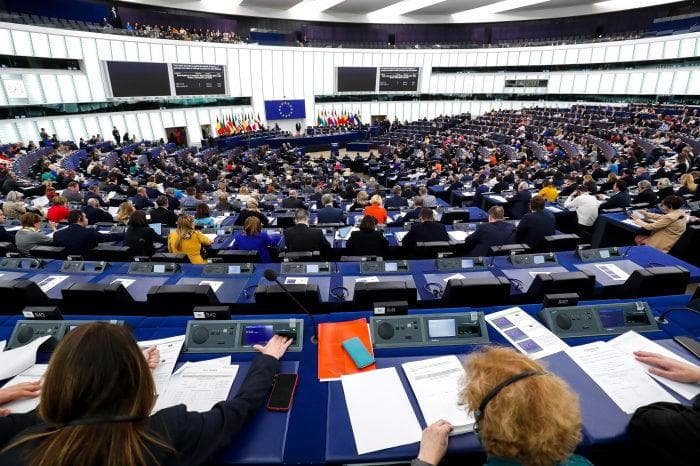
Strasbourg: The European Parliament endorsed on 16 June 2026 a sweeping simplification of the EU AI Act, postponing the toughest obligations for high-risk systems by more than a year as Brussels tries to ease pressure on companies while keeping new safeguards for citizens. The package, known as the Digital Omnibus on AI, marks the first set of amendments to the landmark law since its adoption in June 2024.

The Parliament’s vote formalised a provisional agreement struck on 7 May 2026 between negotiators from the Council, the Parliament and the European Commission. It now awaits final adoption by the Council and publication in the Official Journal, widely expected in July 2026.

What the Digital Omnibus Changes

The reform delays several key deadlines under the EU AI Act simplification drive, giving providers and member states more time to comply. The most significant change pushes back enforcement for high-risk systems that were due to face obligations from August 2026.

  • Annex III high-risk systems: obligations postponed from 2 August 2026 to 2 December 2027
  • Annex I product-regulated systems, including medical devices and lifts: postponed from 2 August 2027 to 2 August 2028
  • National regulatory sandboxes: deadline to set up at least one moved from 2 August 2026 to 2 August 2027

The amendments form part of the Commission’s broader “Omnibus VII” simplification agenda, which aims to cut compliance costs across the bloc’s digital rulebook without dismantling its core protections.

New Bans for Citizens

While easing timelines for business, the Digital Omnibus adds fresh prohibitions. From 2 December 2026, the law will ban AI systems used to generate or manipulate non-consensual intimate imagery and child sexual abuse material, targeting so-called “nudification” apps that have spread online.

“Our businesses and citizens want two things from AI rules. They want to be able to innovate and feel safe,” said Executive Vice-President Henna Virkkunen. “Today’s agreement does both.”

Supporters argue the EU AI Act simplification strikes a balance between competitiveness and trust. Critics, including digital rights groups, warn that long delays risk leaving people exposed to harmful systems while the toughest rules sit on the shelf.

How We Got Here

The EU AI Act was adopted in June 2024 as the world’s first comprehensive law governing artificial intelligence, setting tiered obligations based on the risk a system poses. As compliance deadlines approached, industry groups and several governments warned that the timelines were too tight and the paperwork too heavy for smaller developers.

The Commission responded with its digital simplification push, arguing that Europe could keep high standards while making the rulebook easier to apply. The Digital Omnibus is the centrepiece of that effort, and its passage through Parliament removes a major obstacle to entry into force.

The Council set out the shape of the deal in its May agreement, while the Commission detailed the new prohibitions in its official announcement.

What Happens Next

The Council is expected to adopt the text formally in the coming weeks, with publication in the Official Journal anticipated before the original 2 August 2026 deadline. Companies will then have until late 2027 to meet the high-risk obligations, while the new bans on abusive AI content take effect in December 2026, the first concrete result of the EU AI Act simplification for ordinary users.