August 29, 2026
LATEST
Data Rules Agreed With Seoul Now Wait on Parliament’s ConsentChina Listed Fourteen European Firms and November Ends the TruceWhy Australia’s Finished Trade Deal Still Has No Signature DateLate Application Leaves Tokyo Outside the Defence Loan QueueCyber Resilience Rules Give Makers 24 Hours From SeptemberWinter Stocks Test Europe’s New Gas Storage Flexibility RulesInnovation Theory Meets Merger Control in a New Commission StudyMercosur Tariffs Fell in May and the Court Has Not Ruled YetBilaterals III Now Turns on Which Referendum Switzerland PicksDark Patterns Face the EU Digital Fairness ActFifteen Chapters Stand Between Montenegro and 2028Who Blinks First in the FP10 Research Budget FightCustoms Reform Landed in March and Its Data Hub Opens in 2028Victims Rights Gain an EU Helpline and Capitals Have Two YearsIreland Must Move the EU Budget Box Before the October SummitFertiliser Prices Sit 71 Percent Above Their 2024 Average LevelState Aid Exemptions Face a Rewrite With Four Months to SpareIrregular Crossings Fell 37 Percent and Spain Is the ExceptionSpring Growth Went to Ireland and Skipped Belgium EntirelyEurope’s Drought Pushed Four Great Rivers to Record LowsData Rules Agreed With Seoul Now Wait on Parliament’s ConsentChina Listed Fourteen European Firms and November Ends the TruceWhy Australia’s Finished Trade Deal Still Has No Signature DateLate Application Leaves Tokyo Outside the Defence Loan QueueCyber Resilience Rules Give Makers 24 Hours From SeptemberWinter Stocks Test Europe’s New Gas Storage Flexibility RulesInnovation Theory Meets Merger Control in a New Commission StudyMercosur Tariffs Fell in May and the Court Has Not Ruled YetBilaterals III Now Turns on Which Referendum Switzerland PicksDark Patterns Face the EU Digital Fairness ActFifteen Chapters Stand Between Montenegro and 2028Who Blinks First in the FP10 Research Budget FightCustoms Reform Landed in March and Its Data Hub Opens in 2028Victims Rights Gain an EU Helpline and Capitals Have Two YearsIreland Must Move the EU Budget Box Before the October SummitFertiliser Prices Sit 71 Percent Above Their 2024 Average LevelState Aid Exemptions Face a Rewrite With Four Months to SpareIrregular Crossings Fell 37 Percent and Spain Is the ExceptionSpring Growth Went to Ireland and Skipped Belgium EntirelyEurope’s Drought Pushed Four Great Rivers to Record Lows
August 29, 2026
LATEST
Data Rules Agreed With Seoul Now Wait on Parliament’s ConsentChina Listed Fourteen European Firms and November Ends the TruceWhy Australia’s Finished Trade Deal Still Has No Signature DateLate Application Leaves Tokyo Outside the Defence Loan QueueCyber Resilience Rules Give Makers 24 Hours From SeptemberWinter Stocks Test Europe’s New Gas Storage Flexibility RulesInnovation Theory Meets Merger Control in a New Commission StudyMercosur Tariffs Fell in May and the Court Has Not Ruled YetBilaterals III Now Turns on Which Referendum Switzerland PicksDark Patterns Face the EU Digital Fairness ActFifteen Chapters Stand Between Montenegro and 2028Who Blinks First in the FP10 Research Budget FightCustoms Reform Landed in March and Its Data Hub Opens in 2028Victims Rights Gain an EU Helpline and Capitals Have Two YearsIreland Must Move the EU Budget Box Before the October SummitFertiliser Prices Sit 71 Percent Above Their 2024 Average LevelState Aid Exemptions Face a Rewrite With Four Months to SpareIrregular Crossings Fell 37 Percent and Spain Is the ExceptionSpring Growth Went to Ireland and Skipped Belgium EntirelyEurope’s Drought Pushed Four Great Rivers to Record LowsData Rules Agreed With Seoul Now Wait on Parliament’s ConsentChina Listed Fourteen European Firms and November Ends the TruceWhy Australia’s Finished Trade Deal Still Has No Signature DateLate Application Leaves Tokyo Outside the Defence Loan QueueCyber Resilience Rules Give Makers 24 Hours From SeptemberWinter Stocks Test Europe’s New Gas Storage Flexibility RulesInnovation Theory Meets Merger Control in a New Commission StudyMercosur Tariffs Fell in May and the Court Has Not Ruled YetBilaterals III Now Turns on Which Referendum Switzerland PicksDark Patterns Face the EU Digital Fairness ActFifteen Chapters Stand Between Montenegro and 2028Who Blinks First in the FP10 Research Budget FightCustoms Reform Landed in March and Its Data Hub Opens in 2028Victims Rights Gain an EU Helpline and Capitals Have Two YearsIreland Must Move the EU Budget Box Before the October SummitFertiliser Prices Sit 71 Percent Above Their 2024 Average LevelState Aid Exemptions Face a Rewrite With Four Months to SpareIrregular Crossings Fell 37 Percent and Spain Is the ExceptionSpring Growth Went to Ireland and Skipped Belgium EntirelyEurope’s Drought Pushed Four Great Rivers to Record Lows

Chemicals Omnibus Lands as the REACH Overhaul Stays Shelved

Ludwigshafen: Chemical producers along this stretch of the Rhine spent six years preparing for a rewritten REACH regulation that will not now arrive. The chemicals omnibus that took its place reached a provisional deal between Council and Parliament negotiators overnight on 16–17 June 2026, trading a structural overhaul for a package of deadline shifts and labelling changes.

Jessika Roswall, the Environment Commissioner, told the European Parliament’s environment committee on 27 April 2026 that the comprehensive REACH revision would not proceed. Preparation had run for close to six years. Germany pressed against it, arguing that a full rewrite would set off damaging chain reactions for competitiveness in the current economic and geopolitical climate.

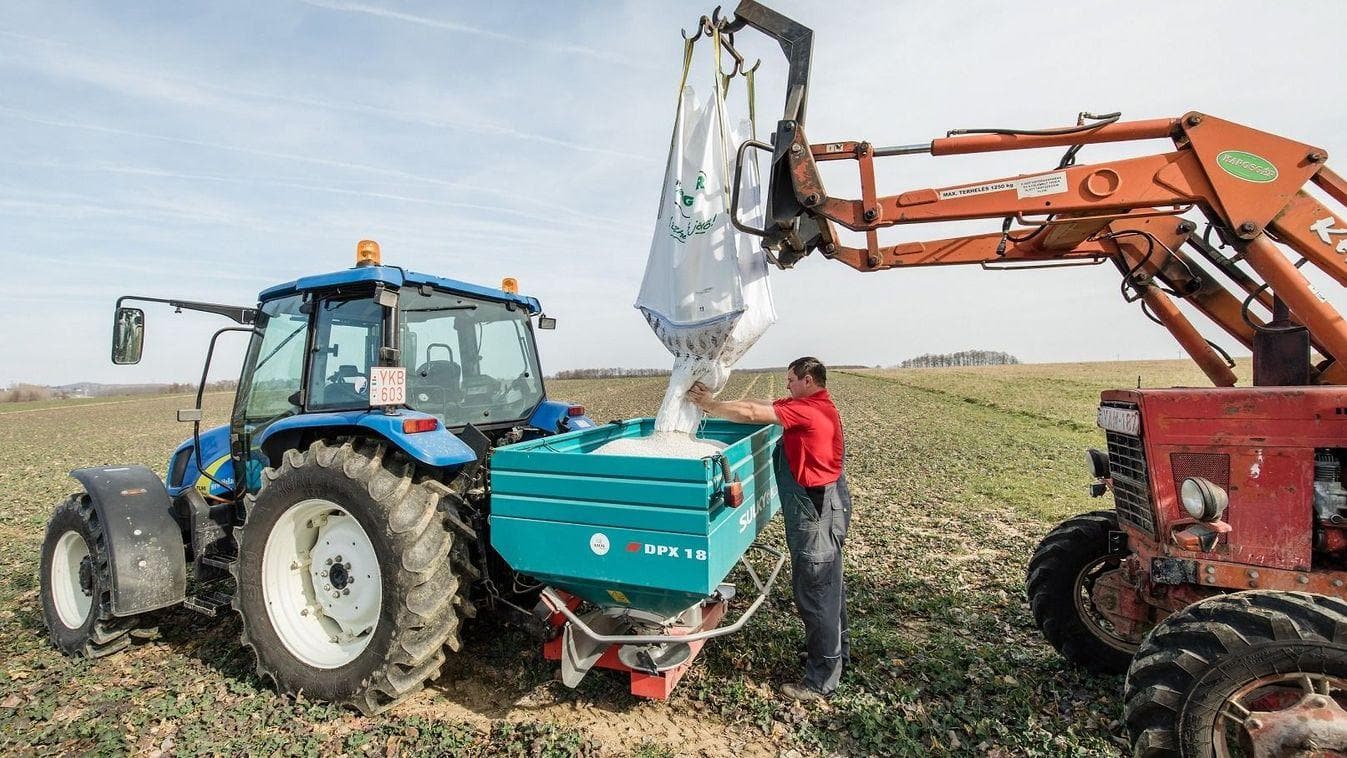
What survives is narrower. Omnibus VI covers the classification, labelling and packaging regulation, the cosmetics regulation and the fertilising products regulation. Its stated purpose is to cut compliance costs and administrative steps across the value chain while holding protection levels for consumers and the environment steady. The Council’s statement on the deal lists the agreed elements.

  • CLP application date pushed from 1 January 2028 to 1 January 2030
  • Cosmetics and fertilising product timetables aligned to the same date
  • Digital labelling expanded and consumer-readable label rules clarified
  • Safeguards kept for nanomaterials, hazardous substances and fertiliser components

The two-year slip on CLP is the provision industry lobbied hardest for. Label redesign demands artwork, printing runs and distribution changes across thousands of product lines, and firms argued that a 2028 date collided with the cosmetics and fertiliser timetables in ways that forced three separate repackaging cycles instead of one.

Environmental groups read the same package differently. They note that the Commission also wants to drop periodic reviews of pesticide active substances so assessment resources shift toward new chemicals, and that label redesign rules adopted only recently were reversed after industry pushback. In their reading, simplification has become the vehicle for deregulation that could not pass on its own terms.

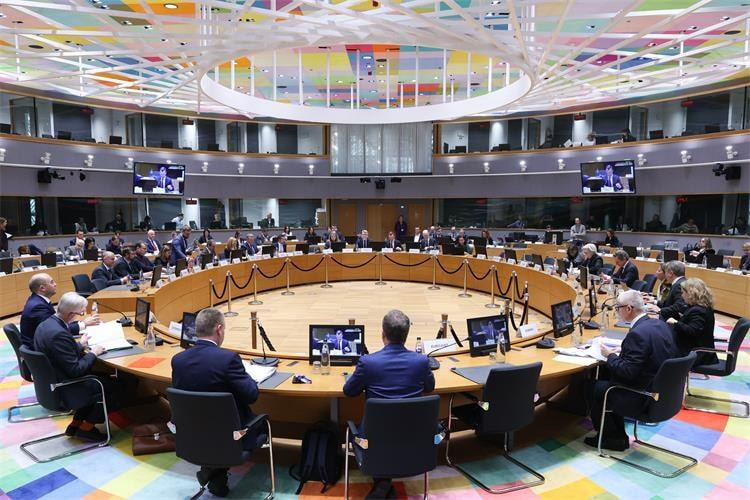
Neither side won a settled outcome in June. The provisional agreement still needs endorsement by the Council and by Parliament, then legal-linguistic revision before formal adoption, which the co-legislators aim to finish during 2026. The changes bite from 1 January 2030.

The retreat has a longer history. REACH has governed the registration, evaluation and authorisation of chemicals in the Union since 2007, and the plan under the chemicals strategy for sustainability was to modernise it wholesale. That plan slipped repeatedly across two Commission terms and finally lost its political constituency as competitiveness overtook environmental ambition in the executive’s own framing.

Roswall’s team now describes the road ahead in terms of targeted technical updates, modernisation and stronger enforcement rather than structural reform. Producers keep the REACH text they already comply with, and the regulatory pressure moves to how national authorities police it. Campaigners lose the rewrite they wanted and must instead pursue restrictions substance by substance, through the slower route the existing law already provides.