Brussels: The European Commission reopened the rules of the EU carbon market on 17 July 2026, tabling a sweeping revision of the Emissions Trading System that frames Phase 5 for 2031 to 2040 and ties the scheme to the bloc’s binding target of a 90% net cut in greenhouse gas emissions by 2040.
The carbon market is the single most powerful lever in European climate policy. It puts a price on emissions from power plants, heavy industry and aviation, and the Commission wants it to keep tightening without driving energy-intensive manufacturers out of Europe.
At the heart of the plan sits the Linear Reduction Factor, the annual rate at which the emissions cap shrinks. The Commission would cut it to 3.7% for 2031 to 2035 and to 1.7% from 2036, down from 4.3% today. That gentler glide path pushes back the moment allowances run dry, the so-called ETS endgame, from roughly 2039 to around 2048.
Free allocation survives, but the Commission wants it earned. Officials propose linking free allowances to genuine decarbonisation spending rather than handing them to exposed sectors as an unconditional cushion.
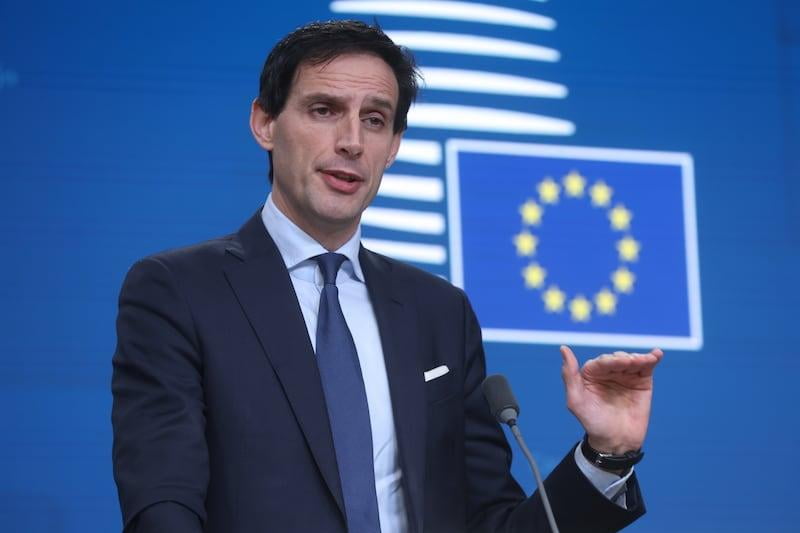
Climate Commissioner Wopke Hoekstra said the overhaul would turn the carbon market into “a genuine engine for innovation and investment,” insisting that “free allocation does not mean free cash.”
The package rests on several concrete moves:
- The cap reduction factor drops to 3.7% for 2031 to 2035 and 1.7% from 2036, from 4.3% now.
- Phase 5 spans 2031 to 2040 and is aligned with the 90% net emissions target.
- Up to 5% of the 2040 effort may be met with high-quality international credits from 2036.
- ETS2, the parallel scheme for buildings and road transport, is pushed back to 2028.
The delay to ETS2 answers a political worry that a new price on home heating and petrol would land badly with households already squeezed by energy bills. Ministers backed the postponement earlier this year, and the Commission has now written it into the wider revision.
Not everyone is satisfied. The centre-right European People’s Party has pressed to soften the carbon market further to shield industry, while climate campaigners warn that a slower cap and international credits risk diluting the 90% goal agreed in the amended European Climate Law.
Hoekstra has pushed back on both flanks, arguing the trajectory stays “fully in line” with the 2040 objective. The Commission frames the review as a shift from setting targets to delivering them, with the carbon market meant to bankroll clean investment rather than simply penalise emitters.
The stakes are large. Analysts estimate the recalibrated cap governs well over two billion tonnes of carbon dioxide across the decade, making the design of Phase 5 one of the most consequential climate files now moving through Brussels. The debate over how far to ease the rules is expected to dominate talks between Parliament and Council into 2027.
Background matters here. The revision flows directly from the 90% target that the Council gave its final green light in March 2026, which added the 2040 milestone to EU climate law between the existing 2030 and 2050 goals. The carbon market, launched in 2005 and now in its fourth trading phase, remains the mechanism through which most of that ambition must be delivered. How lawmakers settle the cap, free allowances and credits will shape European industry’s costs for the next fifteen years.