August 9, 2026
LATEST
New EU Gas Market Rules Take Effect With Consumer SafeguardsDeforestation Regulation Holds Its December Deadline Despite CutsDigital Omnibus Delays Europe’s High-Risk AI Deadline to 2027Europe’s Schools Confront a Widening Basic Skills GapRule of Law Report Finds Progress but Trust Still LagsIRIS2 Gains 66 Satellites as Brussels Signs the Rollout DealNature Restoration Plans Come Due as Member States Race a DeadlineECB Rates Hold at 2.25 Percent as Frankfurt Waits on the DataEU Budget Talks Turn to Cohesion as Ireland Takes OverWildfire Response Stretches Europe’s Emergency Fleet ThinCan Europe’s Quantum Plan Match Its Big Ambitions?Armenia Edges West as Moscow’s Grip Slips AwayEurope Inherits the World’s Aid Bill It Cannot Fully PayAir Passenger Rights Get Their First Overhaul in Two DecadesErasmus Opens a 5 Billion Euro Round for Skills and MobilityCeuta Crisis Pushes the EU Toward Faster Migrant ReturnsBulky Parcels Face a Packaging Crackdown From August 12Can Europe Build Its Drone Wall Before 2030 Arrives?Indonesia’s Trade Deal With Europe Nears Its Final SignatureEurope Leans on Beijing to Keep Climate Talks Alive Before AntalyaNew EU Gas Market Rules Take Effect With Consumer SafeguardsDeforestation Regulation Holds Its December Deadline Despite CutsDigital Omnibus Delays Europe’s High-Risk AI Deadline to 2027Europe’s Schools Confront a Widening Basic Skills GapRule of Law Report Finds Progress but Trust Still LagsIRIS2 Gains 66 Satellites as Brussels Signs the Rollout DealNature Restoration Plans Come Due as Member States Race a DeadlineECB Rates Hold at 2.25 Percent as Frankfurt Waits on the DataEU Budget Talks Turn to Cohesion as Ireland Takes OverWildfire Response Stretches Europe’s Emergency Fleet ThinCan Europe’s Quantum Plan Match Its Big Ambitions?Armenia Edges West as Moscow’s Grip Slips AwayEurope Inherits the World’s Aid Bill It Cannot Fully PayAir Passenger Rights Get Their First Overhaul in Two DecadesErasmus Opens a 5 Billion Euro Round for Skills and MobilityCeuta Crisis Pushes the EU Toward Faster Migrant ReturnsBulky Parcels Face a Packaging Crackdown From August 12Can Europe Build Its Drone Wall Before 2030 Arrives?Indonesia’s Trade Deal With Europe Nears Its Final SignatureEurope Leans on Beijing to Keep Climate Talks Alive Before Antalya
August 9, 2026
LATEST
New EU Gas Market Rules Take Effect With Consumer SafeguardsDeforestation Regulation Holds Its December Deadline Despite CutsDigital Omnibus Delays Europe’s High-Risk AI Deadline to 2027Europe’s Schools Confront a Widening Basic Skills GapRule of Law Report Finds Progress but Trust Still LagsIRIS2 Gains 66 Satellites as Brussels Signs the Rollout DealNature Restoration Plans Come Due as Member States Race a DeadlineECB Rates Hold at 2.25 Percent as Frankfurt Waits on the DataEU Budget Talks Turn to Cohesion as Ireland Takes OverWildfire Response Stretches Europe’s Emergency Fleet ThinCan Europe’s Quantum Plan Match Its Big Ambitions?Armenia Edges West as Moscow’s Grip Slips AwayEurope Inherits the World’s Aid Bill It Cannot Fully PayAir Passenger Rights Get Their First Overhaul in Two DecadesErasmus Opens a 5 Billion Euro Round for Skills and MobilityCeuta Crisis Pushes the EU Toward Faster Migrant ReturnsBulky Parcels Face a Packaging Crackdown From August 12Can Europe Build Its Drone Wall Before 2030 Arrives?Indonesia’s Trade Deal With Europe Nears Its Final SignatureEurope Leans on Beijing to Keep Climate Talks Alive Before AntalyaNew EU Gas Market Rules Take Effect With Consumer SafeguardsDeforestation Regulation Holds Its December Deadline Despite CutsDigital Omnibus Delays Europe’s High-Risk AI Deadline to 2027Europe’s Schools Confront a Widening Basic Skills GapRule of Law Report Finds Progress but Trust Still LagsIRIS2 Gains 66 Satellites as Brussels Signs the Rollout DealNature Restoration Plans Come Due as Member States Race a DeadlineECB Rates Hold at 2.25 Percent as Frankfurt Waits on the DataEU Budget Talks Turn to Cohesion as Ireland Takes OverWildfire Response Stretches Europe’s Emergency Fleet ThinCan Europe’s Quantum Plan Match Its Big Ambitions?Armenia Edges West as Moscow’s Grip Slips AwayEurope Inherits the World’s Aid Bill It Cannot Fully PayAir Passenger Rights Get Their First Overhaul in Two DecadesErasmus Opens a 5 Billion Euro Round for Skills and MobilityCeuta Crisis Pushes the EU Toward Faster Migrant ReturnsBulky Parcels Face a Packaging Crackdown From August 12Can Europe Build Its Drone Wall Before 2030 Arrives?Indonesia’s Trade Deal With Europe Nears Its Final SignatureEurope Leans on Beijing to Keep Climate Talks Alive Before Antalya

Defence Loans Start Flowing Under the EU’s SAFE Scheme

Brussels: The European Commission has started paying out the first money under SAFE, its €150 billion defence loan scheme, transferring €177.2 million to Cyprus on 18 June 2026 after a far larger €6.56 billion pre-financing payment to Poland on 29 May, as the EU moves from approving the programme to actually funding it.

The disbursements mark a turning point for the SAFE defence loans, formally Security Action for Europe, which were designed to let member states borrow cheaply and at long maturities to rebuild capabilities run down over decades. After months of paperwork, the cash is now beginning to move.

From approval to payment

Between 11 February and 10 April 2026, the Council signed off on SAFE allocations for 18 member states, clearing the Commission to conclude individual loan agreements and release pre-financing. An initial wave covering eight countries, Belgium, Bulgaria, Denmark, Spain, Croatia, Cyprus, Portugal and Romania, accounted for roughly €38 billion once their loan agreements were signed.

What the loans buy

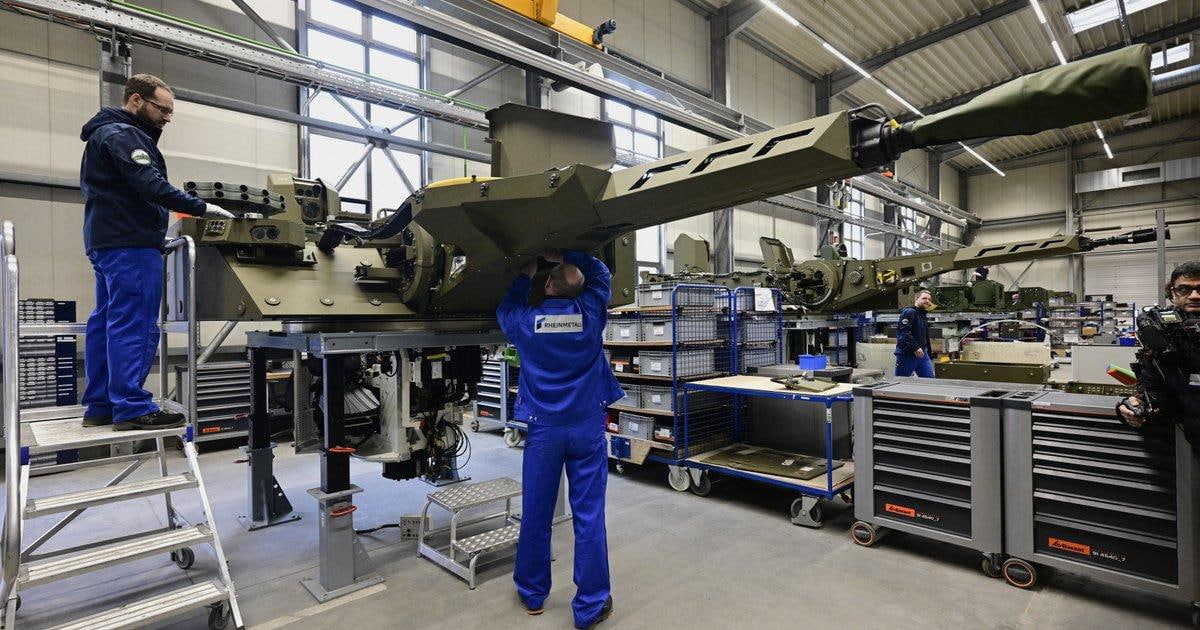
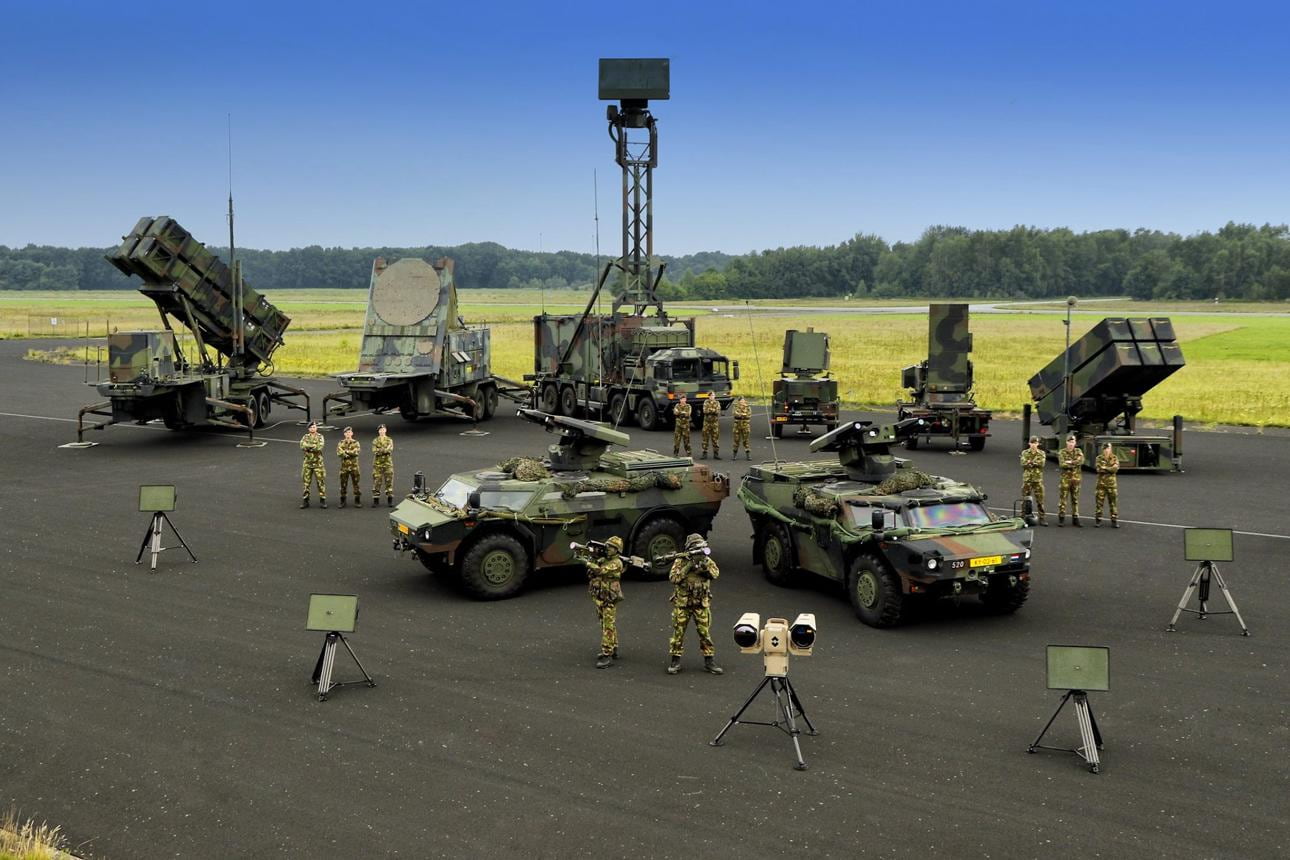
SAFE channels borrowing toward jointly procured, high-priority military hardware rather than national one-off buys. The eligible categories sit at the centre of Europe’s current capability gaps.

  • Counter-drone systems and air and missile defence.
  • Ammunition and missiles, where stockpiles ran low after deliveries to Ukraine.
  • Ground and naval combat systems.

By tying the SAFE defence loans to common procurement, Brussels hopes to cut costs and push national armies toward compatible equipment.

‘A big step forward’

Defence Commissioner Andrius Kubilius has cast the scheme as central to the EU’s wider rearmament drive, describing the allocation of the loans in plain terms.

“This is a big step forward for our defence readiness,” Kubilius said of the SAFE allocations, stressing that loan agreements would be signed quickly and that payments would follow immediately.

Ukraine and the wider picture

SAFE also allows participating states to spend on the Ukrainian defence industry, embedding Kyiv in Europe’s procurement plans. The instrument sits alongside the Commission’s broader defence funding effort and the Readiness 2030 agenda, which aims to close capability gaps before the end of the decade.

Background

SAFE was agreed in 2025 as part of the EU’s response to Russia’s war on Ukraine and to doubts about the long-term reliability of American security guarantees. Unlike grants, the €150 billion takes the form of loans raised by the Commission on capital markets and passed to governments, who repay over long periods. The Council has described the instrument as a way to turn collective borrowing into faster, cheaper defence investment.

The first payments to Poland and Cyprus are modest against the headline figure, but they confirm the machinery works. With 18 countries in the queue and tens of billions still to be drawn, the pace of future SAFE defence loans disbursements will be a measure of how quickly Europe can translate political resolve into hard military capacity.