Killarney: Every EU government must hand the European Commission a draft national restoration plan by 1 September 2026, and with five days left the restoration plans heading to Brussels look nothing like one another.
The Nature Restoration Regulation entered into force in August 2024 and set the bloc a blunt piece of arithmetic. Capitals must put restoration measures on at least 20 percent of EU land and sea by 2030, and on every ecosystem that needs them by 2050. The law left each government to decide how.
That freedom now shows. Ireland ran a full public consultation on its draft plan, publishing measures and maps for comment through the housing and heritage department’s first national consultation on the draft restoration plan. Several other governments kept their drafting closed and will publish only once the file sits with the Commission.
Brussels at least fixed the paperwork early. Commission Implementing Regulation (EU) 2025/912, adopted on 19 May 2025, imposes a uniform reporting format so that 27 plans arrive in comparable shape. Uniform tables do not make the underlying ambition comparable, and officials know it.
What follows the deadline moves slowly. The Commission takes six months to assess each draft and send observations back to the capital. Governments then get another six months, to roughly September 2027, to publish a final plan. Almost nothing has to change on the ground before that.
Conservation groups spent last winter warning that the foundations were thin. A joint mid-term assessment by BirdLife International, the European Environmental Bureau and WWF examined 23 Member States and found a small group of frontrunners pulling ahead while most trailed, with progress they judged uneven and insufficient against the law’s binding targets.
Money is the quieter problem. The regulation obliges governments to set out financing, yet the current long-term EU budget expires at the end of 2027 and negotiators are still fighting over what replaces it. A plan that runs to 2050, written against a budget line that runs out in sixteen months, invites exactly the vagueness auditors dislike.
Agriculture ministries supply the other friction. Rewetting drained peatland and reopening river continuity touch land that people farm, and the agricultural targets nearly sank the whole law in Parliament in 2023. Several capitals have kept those chapters deliberately loose, which the Commission can flag but cannot rewrite.
Defenders of a slow, quiet drafting process make a fair case. A restoration plan that survives a change of government counts for more than one filed punctually, and the six-month review exists precisely to catch weak drafts before they harden into legal commitments. Publishing a half-finished plan invites a political fight that kills it.
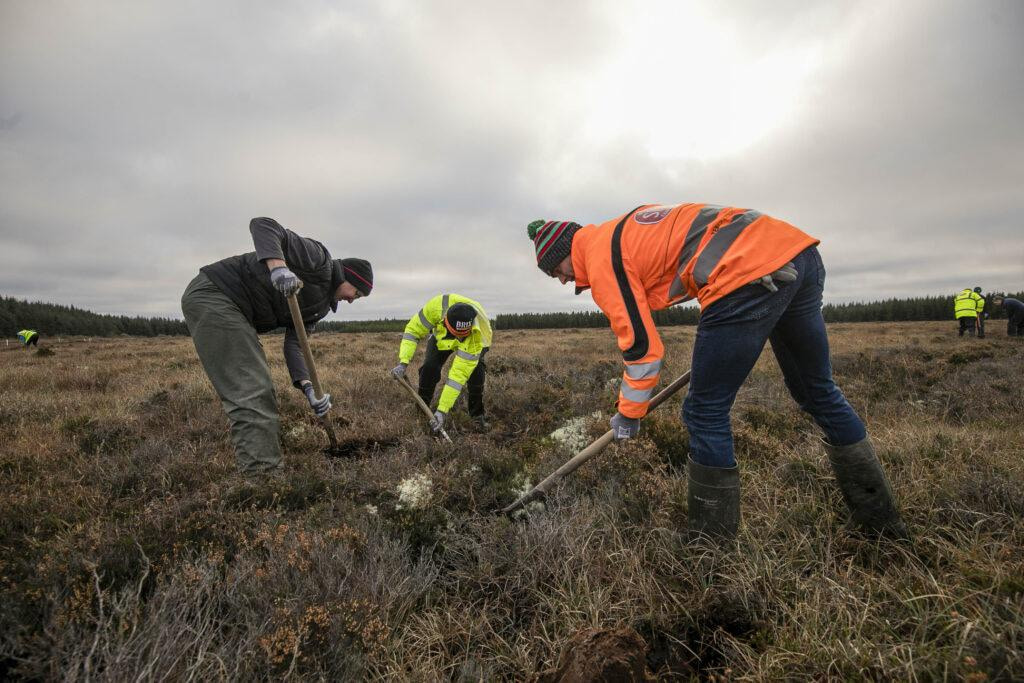
The 2030 target, though, does not move. Every month a capital spends polishing a document is a month it does not spend restoring a bog, and the Commission still lacks any tool sharper than an infringement case if the restoration plans arrive hollow. The Commission tracks the exercise through its nature restoration implementation pages, which will start filling up next week.