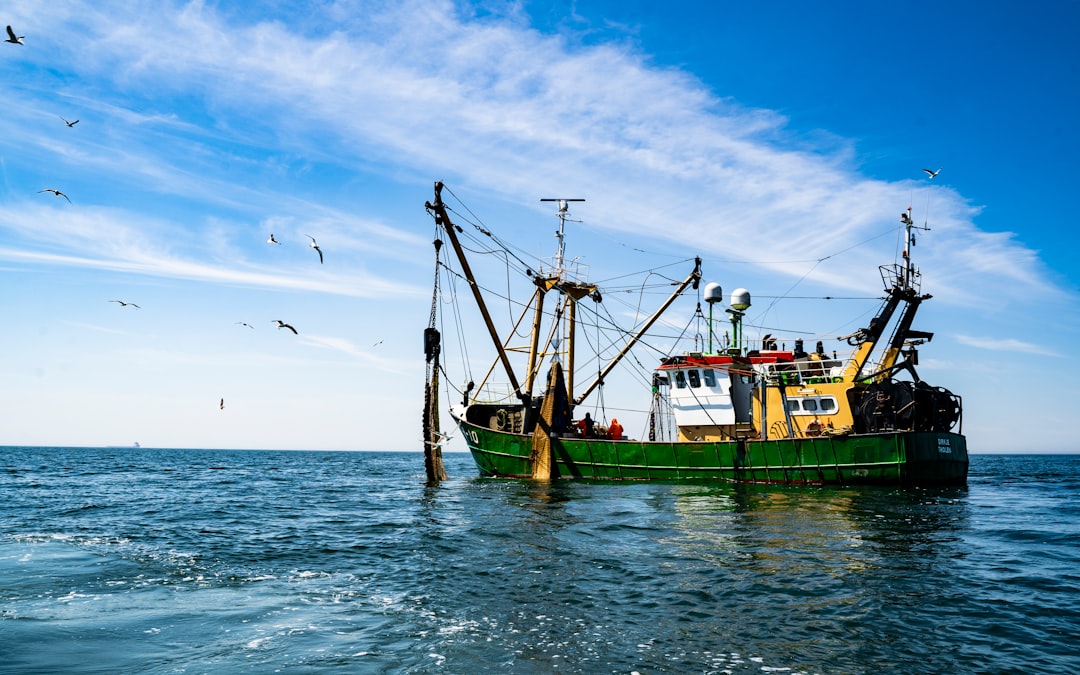
Boulogne-sur-Mer: In the largest fishing port in France, skippers have spent five years operating under a truce that is now running out of time. The fisheries arrangement built into the post-Brexit Trade and Cooperation Agreement gave European fleets guaranteed access to British waters and a fixed share of the catch through an adjustment period that expires in 2026. From that point, access and quotas fall back to annual negotiation, and the comfortable predictability of the transition years gives way to a yearly contest of nerves.
The stakes are unevenly distributed but widely felt. French trawlers in the Channel, Dutch and Belgian beam-trawl operators, and Danish and German fleets in the North Sea all depend on grounds that lie wholly or partly inside the United Kingdom’s exclusive economic zone. Coastal communities from Brittany to Jutland have built processing jobs, auction halls and export chains around a steady supply. Strip away guaranteed access, or shrink it through hard bargaining, and the damage lands first on the small operators least able to chase fish elsewhere.
Brussels insists it will not negotiate from weakness. The Commission’s strongest card is the European market itself: the bulk of British seafood lands on plates in France, Spain and beyond, and tariff-free entry to that market is something London values at least as much as control over its waters. Officials have made little secret of their view that the two questions are linked, and that any squeeze on fleet access could be answered by friction at the border for British exporters. Energy cooperation in the North Sea, where shared interconnectors and offshore wind tie the two sides together, adds further ballast to the relationship.
Scientists, meanwhile, want both governments to remember the fish. Several Channel and North Sea stocks remain under pressure, and the temptation in a tense annual round is to set headline quotas above what biologists advise in order to soothe domestic fleets. Conservation groups warn that a return to political haggling, after years of relative stability, risks unpicking the slow recovery of stocks such as cod and sole. The Commission has pledged to keep scientific advice at the centre of its mandate, but member states with hungry fleets rarely make that easy.
What the industry craves above all is a multiannual deal that restores some certainty rather than a scramble repeated every December. A longer framework would let owners plan investment in greener vessels, give crews confidence to stay in the trade, and spare processors the annual guessing game over supply. The risk is that both sides, jealous of their leverage, settle instead for short rolling arrangements that keep everyone perpetually anxious. For the men and women heading out from Boulogne before dawn, the politics is abstract; the worry that next season’s grounds may shrink is not.