August 22, 2026
LATEST
What the EU Taiwan Framework Would Actually Have to DoKorea Signed a Digital Trade Deal That Nobody Has RatifiedCritical Minerals in Mongolia Still Have to Cross Two BordersCan an Indonesia Trade Deal Survive Two Years of RatifyingCross-Border Data Orders Went Live Before the Plumbing DidPlatform Work Rules Take Effect in December and Few Are ReadyCan Europe’s Firefighting Fleet Keep Pace With EU WildfiresThe AI Act Deadline Passed on 2 August and Nothing BitWhy Construction Keeps Shrinking While Confidence ImprovesAccession Talks Stall Again and September 1 Is the TestBrussels Applied a Trade Deal It Cannot Yet RatifyAfrica’s Power Market Now Needs Money More Than BlueprintsLong-Term Budget Talks Enter Autumn Without a Council LineForeign Subsidies Enforcement Now Turns on a Dublin RaidWho Writes Europe’s Telecom Rules Once Copper DisappearsDisability Cards Exist on Paper and Nowhere Else Until 2028Losing Visa-Free Travel Now Takes a Thirty Percent SwingTwenty Flagship Actions Will Test Whether the Culture Compass WorksEurope’s Quality Jobs Act Now Rests on What Unions Do by SeptemberDoes a Three Euro Parcel Duty Change Anything About Cheap ImportsWhat the EU Taiwan Framework Would Actually Have to DoKorea Signed a Digital Trade Deal That Nobody Has RatifiedCritical Minerals in Mongolia Still Have to Cross Two BordersCan an Indonesia Trade Deal Survive Two Years of RatifyingCross-Border Data Orders Went Live Before the Plumbing DidPlatform Work Rules Take Effect in December and Few Are ReadyCan Europe’s Firefighting Fleet Keep Pace With EU WildfiresThe AI Act Deadline Passed on 2 August and Nothing BitWhy Construction Keeps Shrinking While Confidence ImprovesAccession Talks Stall Again and September 1 Is the TestBrussels Applied a Trade Deal It Cannot Yet RatifyAfrica’s Power Market Now Needs Money More Than BlueprintsLong-Term Budget Talks Enter Autumn Without a Council LineForeign Subsidies Enforcement Now Turns on a Dublin RaidWho Writes Europe’s Telecom Rules Once Copper DisappearsDisability Cards Exist on Paper and Nowhere Else Until 2028Losing Visa-Free Travel Now Takes a Thirty Percent SwingTwenty Flagship Actions Will Test Whether the Culture Compass WorksEurope’s Quality Jobs Act Now Rests on What Unions Do by SeptemberDoes a Three Euro Parcel Duty Change Anything About Cheap Imports
August 22, 2026
LATEST
What the EU Taiwan Framework Would Actually Have to DoKorea Signed a Digital Trade Deal That Nobody Has RatifiedCritical Minerals in Mongolia Still Have to Cross Two BordersCan an Indonesia Trade Deal Survive Two Years of RatifyingCross-Border Data Orders Went Live Before the Plumbing DidPlatform Work Rules Take Effect in December and Few Are ReadyCan Europe’s Firefighting Fleet Keep Pace With EU WildfiresThe AI Act Deadline Passed on 2 August and Nothing BitWhy Construction Keeps Shrinking While Confidence ImprovesAccession Talks Stall Again and September 1 Is the TestBrussels Applied a Trade Deal It Cannot Yet RatifyAfrica’s Power Market Now Needs Money More Than BlueprintsLong-Term Budget Talks Enter Autumn Without a Council LineForeign Subsidies Enforcement Now Turns on a Dublin RaidWho Writes Europe’s Telecom Rules Once Copper DisappearsDisability Cards Exist on Paper and Nowhere Else Until 2028Losing Visa-Free Travel Now Takes a Thirty Percent SwingTwenty Flagship Actions Will Test Whether the Culture Compass WorksEurope’s Quality Jobs Act Now Rests on What Unions Do by SeptemberDoes a Three Euro Parcel Duty Change Anything About Cheap ImportsWhat the EU Taiwan Framework Would Actually Have to DoKorea Signed a Digital Trade Deal That Nobody Has RatifiedCritical Minerals in Mongolia Still Have to Cross Two BordersCan an Indonesia Trade Deal Survive Two Years of RatifyingCross-Border Data Orders Went Live Before the Plumbing DidPlatform Work Rules Take Effect in December and Few Are ReadyCan Europe’s Firefighting Fleet Keep Pace With EU WildfiresThe AI Act Deadline Passed on 2 August and Nothing BitWhy Construction Keeps Shrinking While Confidence ImprovesAccession Talks Stall Again and September 1 Is the TestBrussels Applied a Trade Deal It Cannot Yet RatifyAfrica’s Power Market Now Needs Money More Than BlueprintsLong-Term Budget Talks Enter Autumn Without a Council LineForeign Subsidies Enforcement Now Turns on a Dublin RaidWho Writes Europe’s Telecom Rules Once Copper DisappearsDisability Cards Exist on Paper and Nowhere Else Until 2028Losing Visa-Free Travel Now Takes a Thirty Percent SwingTwenty Flagship Actions Will Test Whether the Culture Compass WorksEurope’s Quality Jobs Act Now Rests on What Unions Do by SeptemberDoes a Three Euro Parcel Duty Change Anything About Cheap Imports

Only Four Countries Qualify for the 21,000 Place Solidarity Pool

Athens: Greece, Cyprus, Italy and Spain became the only four member states able to draw on the European Union’s first solidarity pool this summer, after the Commission confirmed in July that they alone meet the legal test for migratory pressure. The pool opened for business when the Pact on Migration and Asylum started applying on 12 June, and it now sits at the centre of an annual cycle that replaces two decades of ad hoc emergency deals.

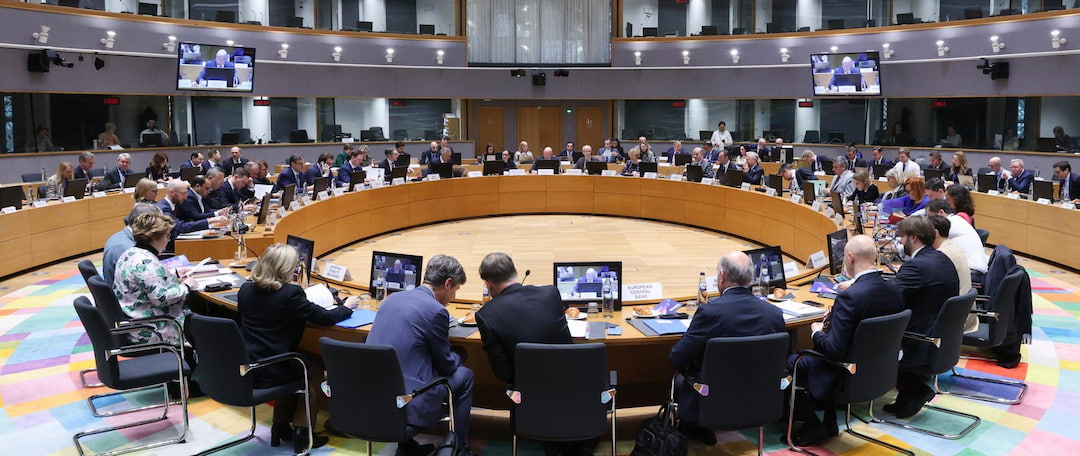
The Council fixed the size of the pool in December. Ministers set a reference figure of 21,000 relocations, or 420 million euro in financial contributions, or a mix of the two together with operational support such as seconded staff and equipment. That number lands well below the 30,000 the Commission originally proposed, and the gap tells you most of what you need to know about how far capitals were willing to go.

What makes the arrangement work on paper is that no government has to accept a single arriving asylum seeker. A capital can write a cheque instead, or send border guards, or fund a reception centre in a third country. The Pact calls all three options solidarity and treats them as interchangeable. Critics of the design argued for years that giving states a paid exit would empty relocation of meaning, and the first cycle will test that claim with real money rather than hypotheticals.

The Council’s own account of the December agreement describes the pledging process as confidential until the pool is triggered, which means neither national parliaments nor the public can yet see who promised what. The Commission published the countries under pressure; it did not publish the ledger of contributions against them. That asymmetry hands frontline governments a grievance they can air whenever a transfer stalls.

A second tier complicates the picture further. Belgium, Bulgaria, Germany, Estonia, Ireland, France, Croatia, Latvia, Lithuania, the Netherlands, Poland and Finland count as at risk of migratory pressure. They cannot draw from the pool, but they get priority access to the Migration Support Toolbox, a bundle of funding lines and agency deployments. Twelve states in that category, against four with full access, suggests the Commission read the political room carefully before drawing its lines.

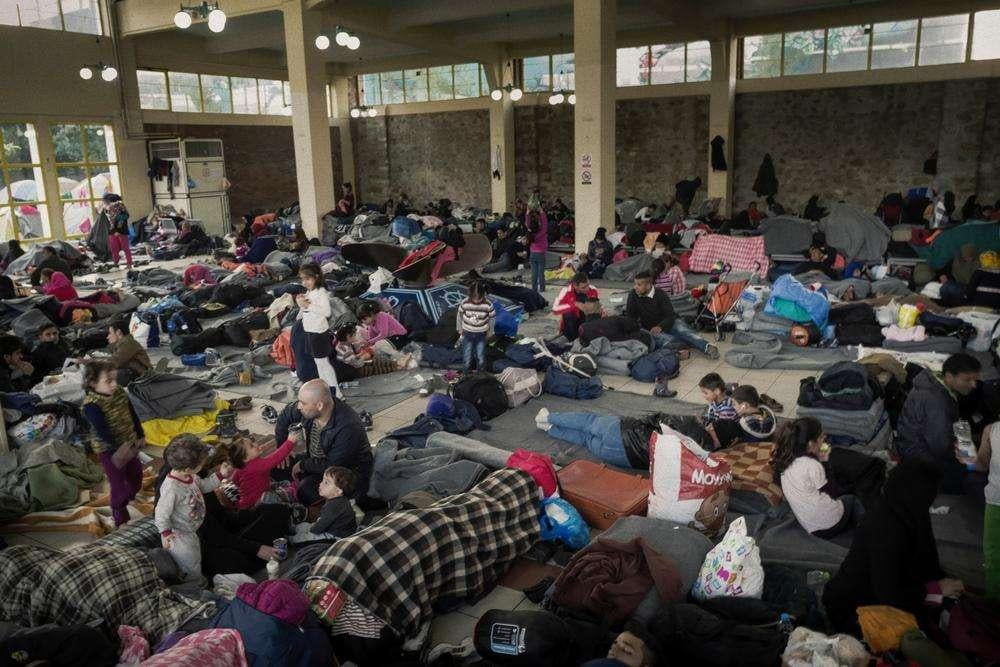
Athens has the most immediate interest in seeing the mechanism move. Greek reception capacity has run near its limits through the spring, and the government has argued that the Pact will only prove itself if transfers happen inside the deadlines the regulation sets rather than after them. Rome makes a similar argument with a sharper edge, having spent the past two years pressing for pre-agreed numbers rather than negotiated ones.

The Commission tracks readiness through its implementation pages for the Pact, and its May stocktake found most capitals broadly on course for screening procedures, border procedures and fundamental rights monitoring. Broadly on course is not the same as finished, and several national implementation laws remain in committee.

The harder question arrives in October, when the Commission reassesses which countries face pressure. A state that qualifies in July and drops out in October loses access mid-cycle, while one that qualifies later joins a pool already partly spent. Nothing in the regulation explains how the Council would rebalance pledges in that situation, and officials in three capitals have privately flagged it as the first real stress point.

For now the machinery exists and the numbers are public. Whether 21,000 places and 420 million euro can absorb a summer of arrivals is a different matter, and the answer will not come from Brussels. It will come from whether the four eligible governments find anyone willing to take the calls.