September 22, 2026
LATEST
One Ticket Promise Meets Its First Real Test Inside the CouncilCyprus Judge Takes Over a General Court Still Absorbing CasesSkills Portability Act Sets Five Weeks as the New Recognition LimitIreland Reopens the Digital Omnibus With Cookies Back in PlayMinisters Weigh the Long-Term Budget Before a Negotiating BoxSocial Partners Have One Week Left to Shape the Quality Jobs ActPhuket Round Decides Whether Thailand Closes Its Deal This YearSyria’s Banks Reconnect While Europe’s Risk Premium Stays PutMercosur’s First Health Ban Tests a Deal Still Being RatifiedBudget Performance Regulation Slips Toward a 2027 VotePontes Digital Euro Platform Goes Live for 13 BanksEU Arctic Drilling Ban Survives Norway’s Lobbying PushPrivacy Watchdog Wants Tighter Limits on Eurojust’s New DatabasesScrutiny Board Sends Europe’s Circular Economy Act Back for ReworkLow-LEO Studies Open the Next Chapter for Europe’s IRIS2 PlanFour Indo-Pacific Partners Join Europe’s Ministers in New YorkWildfire Season Closes Above Average as the rescEU Fleet GrowsQuality Education Roadmap Lands in November With Three FrontsPartnership Plans Recast Cohesion Policy Before Anyone VotesHandling Fee on Small Parcels Must Be Ready by 1 November 2026One Ticket Promise Meets Its First Real Test Inside the CouncilCyprus Judge Takes Over a General Court Still Absorbing CasesSkills Portability Act Sets Five Weeks as the New Recognition LimitIreland Reopens the Digital Omnibus With Cookies Back in PlayMinisters Weigh the Long-Term Budget Before a Negotiating BoxSocial Partners Have One Week Left to Shape the Quality Jobs ActPhuket Round Decides Whether Thailand Closes Its Deal This YearSyria’s Banks Reconnect While Europe’s Risk Premium Stays PutMercosur’s First Health Ban Tests a Deal Still Being RatifiedBudget Performance Regulation Slips Toward a 2027 VotePontes Digital Euro Platform Goes Live for 13 BanksEU Arctic Drilling Ban Survives Norway’s Lobbying PushPrivacy Watchdog Wants Tighter Limits on Eurojust’s New DatabasesScrutiny Board Sends Europe’s Circular Economy Act Back for ReworkLow-LEO Studies Open the Next Chapter for Europe’s IRIS2 PlanFour Indo-Pacific Partners Join Europe’s Ministers in New YorkWildfire Season Closes Above Average as the rescEU Fleet GrowsQuality Education Roadmap Lands in November With Three FrontsPartnership Plans Recast Cohesion Policy Before Anyone VotesHandling Fee on Small Parcels Must Be Ready by 1 November 2026
September 22, 2026
LATEST
One Ticket Promise Meets Its First Real Test Inside the CouncilCyprus Judge Takes Over a General Court Still Absorbing CasesSkills Portability Act Sets Five Weeks as the New Recognition LimitIreland Reopens the Digital Omnibus With Cookies Back in PlayMinisters Weigh the Long-Term Budget Before a Negotiating BoxSocial Partners Have One Week Left to Shape the Quality Jobs ActPhuket Round Decides Whether Thailand Closes Its Deal This YearSyria’s Banks Reconnect While Europe’s Risk Premium Stays PutMercosur’s First Health Ban Tests a Deal Still Being RatifiedBudget Performance Regulation Slips Toward a 2027 VotePontes Digital Euro Platform Goes Live for 13 BanksEU Arctic Drilling Ban Survives Norway’s Lobbying PushPrivacy Watchdog Wants Tighter Limits on Eurojust’s New DatabasesScrutiny Board Sends Europe’s Circular Economy Act Back for ReworkLow-LEO Studies Open the Next Chapter for Europe’s IRIS2 PlanFour Indo-Pacific Partners Join Europe’s Ministers in New YorkWildfire Season Closes Above Average as the rescEU Fleet GrowsQuality Education Roadmap Lands in November With Three FrontsPartnership Plans Recast Cohesion Policy Before Anyone VotesHandling Fee on Small Parcels Must Be Ready by 1 November 2026One Ticket Promise Meets Its First Real Test Inside the CouncilCyprus Judge Takes Over a General Court Still Absorbing CasesSkills Portability Act Sets Five Weeks as the New Recognition LimitIreland Reopens the Digital Omnibus With Cookies Back in PlayMinisters Weigh the Long-Term Budget Before a Negotiating BoxSocial Partners Have One Week Left to Shape the Quality Jobs ActPhuket Round Decides Whether Thailand Closes Its Deal This YearSyria’s Banks Reconnect While Europe’s Risk Premium Stays PutMercosur’s First Health Ban Tests a Deal Still Being RatifiedBudget Performance Regulation Slips Toward a 2027 VotePontes Digital Euro Platform Goes Live for 13 BanksEU Arctic Drilling Ban Survives Norway’s Lobbying PushPrivacy Watchdog Wants Tighter Limits on Eurojust’s New DatabasesScrutiny Board Sends Europe’s Circular Economy Act Back for ReworkLow-LEO Studies Open the Next Chapter for Europe’s IRIS2 PlanFour Indo-Pacific Partners Join Europe’s Ministers in New YorkWildfire Season Closes Above Average as the rescEU Fleet GrowsQuality Education Roadmap Lands in November With Three FrontsPartnership Plans Recast Cohesion Policy Before Anyone VotesHandling Fee on Small Parcels Must Be Ready by 1 November 2026

Prosecutors Look Beyond Europe as Eurojust Seeks Eight Partners

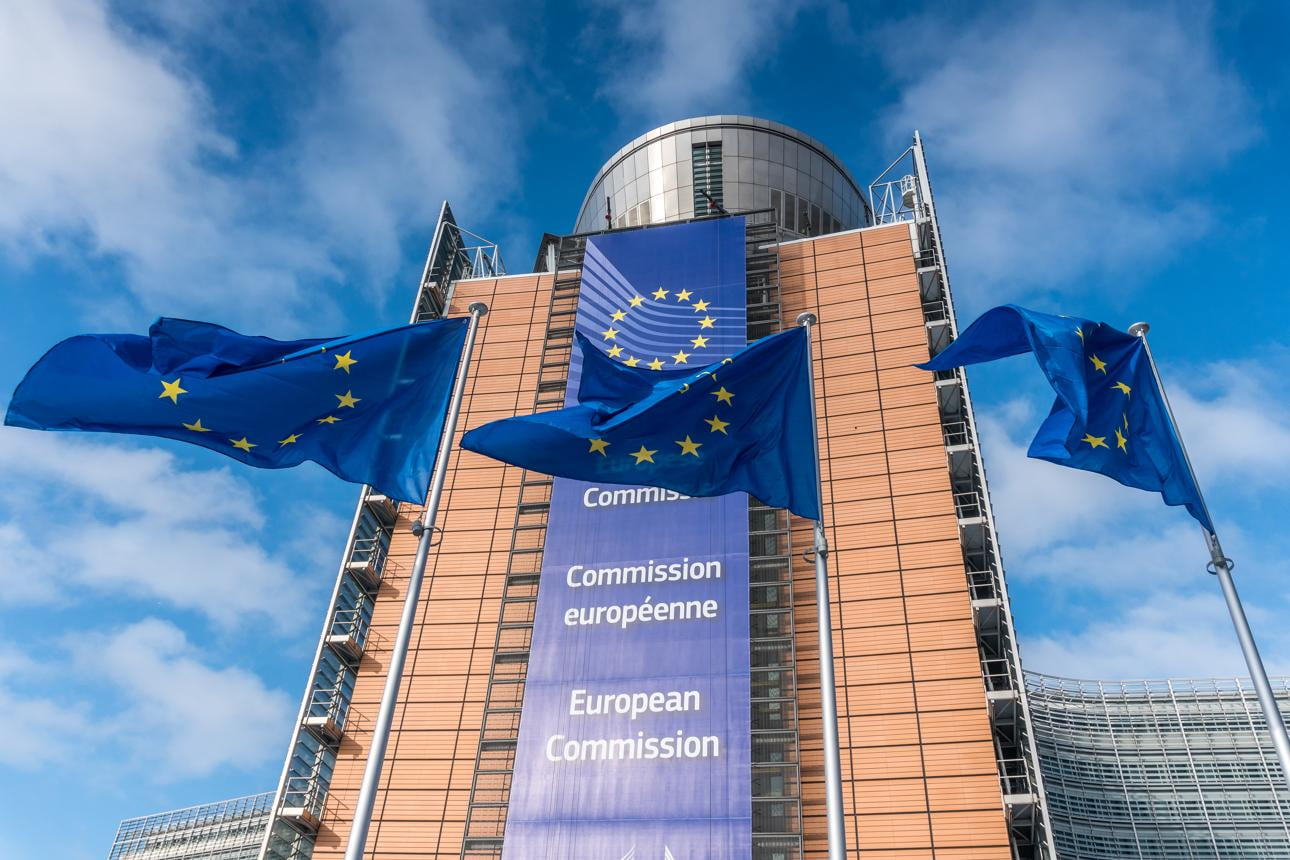
The Hague: The European Commission asked the Council on 7 September 2026 to authorise negotiations on judicial cooperation agreements with eight countries outside Europe, a move that would stretch the Eurojust mandate across the Atlantic and into the Gulf.

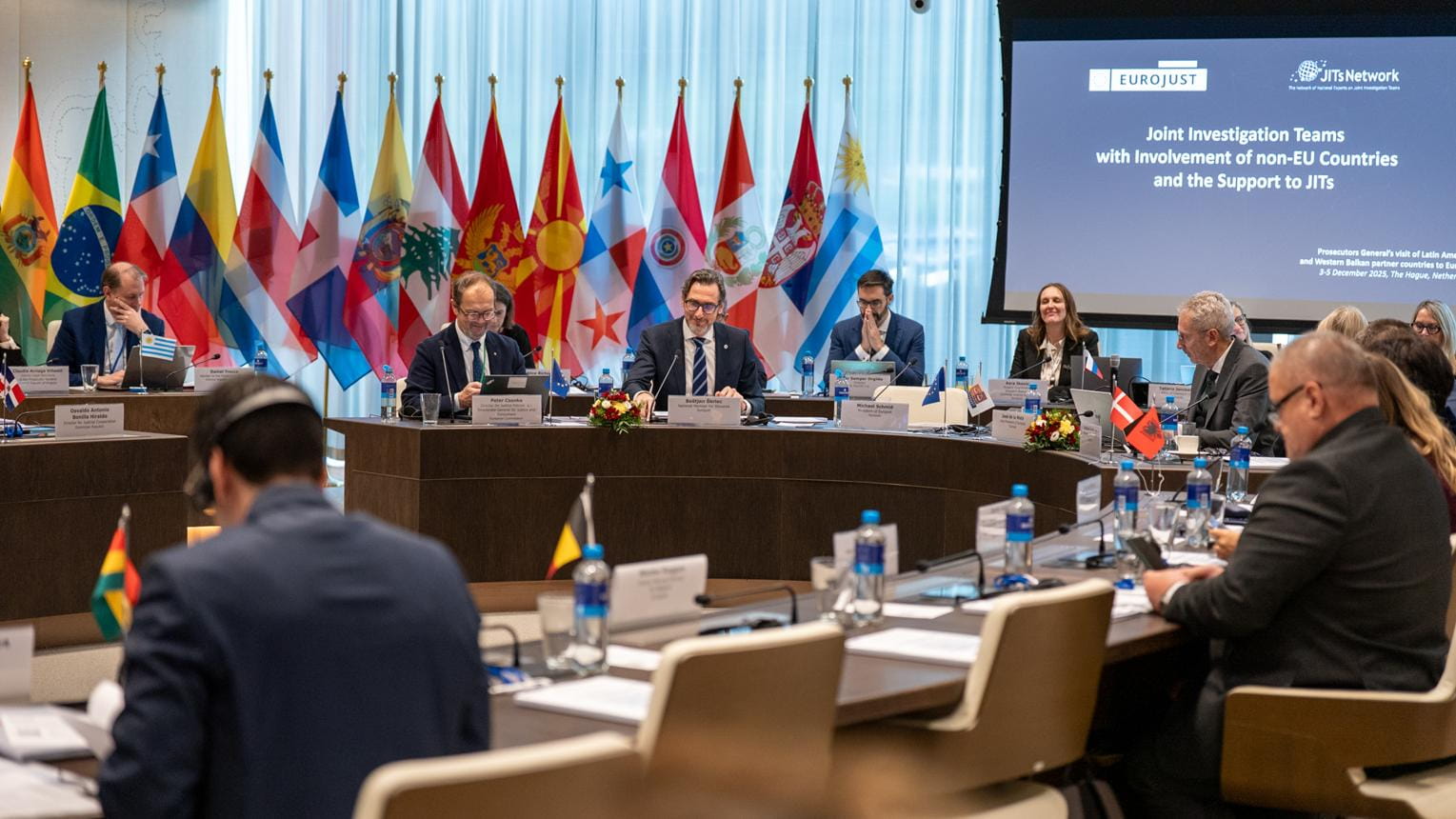
The eight are Bolivia, Canada, Chile, Costa Rica, Ecuador, Panama, Peru and the United Arab Emirates. If concluded, the agreements would let Eurojust exchange operational information with their prosecutors, support joint investigations run with member state authorities, and put day-to-day contact on a legal footing instead of leaving it to goodwill.

Geography explains the list better than diplomacy does. Cocaine reaching Antwerp and Rotterdam moves through Ecuadorian and Peruvian ports. Panama sits astride the shipping and company-formation routes that launder the proceeds. The Emirates host financial and property structures that European prosecutors have chased for years with limited traction. The Commission named drug trafficking, cybercrime and money laundering as the target offences in its daily news announcement.

Eurojust already operates 16 cooperation agreements, including with Norway, Switzerland, Ukraine, the United Kingdom and the United States. The Council has separately mandated talks with ten more, among them Argentina, Brazil, Colombia, Egypt, Israel, Morocco and Turkey. Adding eight would push the agency’s external network past thirty.

The request arrives alongside a larger rewrite. On 24 June the Commission proposed a regulation establishing the agency afresh and repealing Regulation (EU) 2018/1727, arguing that Eurojust must respond faster to cross-border organised crime and hybrid threats. Its supporting documents on the 2026 revision set out that case.

Member state officials began working through the detail almost immediately. The Council’s working party on judicial cooperation in criminal matters met on 16 September to discuss governance, own-initiative powers, relations with third countries and the agency’s interaction with existing judicial networks, the unglamorous questions that decide whether a mandate means anything.

Data protection will shape the outcome more than any of it. Each agreement must carry safeguards on what the agency shares, with whom, and for how long, and the European Data Protection Supervisor warned in August that expanded powers at Europol raise privacy risks. Prosecutors want speed; the Charter of Fundamental Rights sets the ceiling.

Some partners will draw harder questions than others. Canada and Chile present few rule-of-law difficulties. The Emirates present several, and Parliament’s civil liberties committee has a settled habit of asking what happens to personal data once it leaves European jurisdiction and lands somewhere offering no equivalent remedy.

The feedback window on the wider Eurojust revision closed on 10 September, so the file now enters the phase where the Council and Parliament trade positions rather than collect opinions. The negotiating mandates for the eight countries need Council approval before a single meeting takes place.

None of this produces an arrest on its own. Agreements of this kind matter because they remove the three-month delay between a Spanish prosecutor asking a question and a Peruvian counterpart being permitted to answer it, and because criminal networks have never waited for that paperwork to clear.